Cheese VS Orange
A detailed nutritional comparison
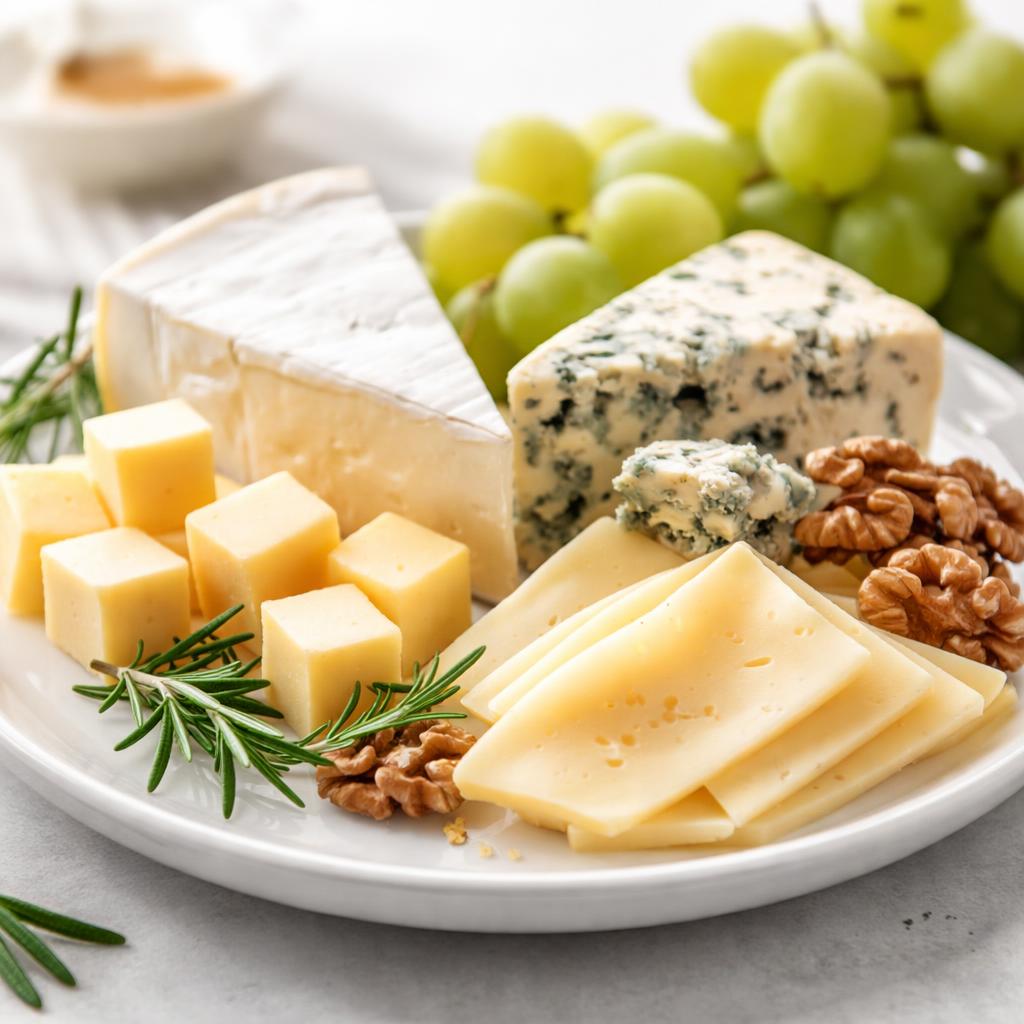
Cheese

Orange
🎯 Quick Verdict
Cheese is higher in protein and fat, making it a great option for keto or low-carb diets, whereas oranges are packed with fiber and vitamin C, ideal for immune support and hydration. Cheese is calorie-dense, while oranges are low-calorie, making them better for weight loss diets focused on nutrient density. Both foods provide distinct health benefits and complement different dietary goals.

Smart Nutrition Tracking with SnapCalorie

📊 Nutritional Comparison
Macronutrients
| Nutrient | Food 1 | Food 2 | Winner |
|---|---|---|---|
| Calories | 113 (per 1 oz) | 62 (per medium orange) | ✓ |
| Protein | 7g | 1g | ✓ |
| Carbohydrates | 1g | 15g | ✓ |
| Fat | 9g | 0.2g | ✓ |
| Fiber | 0g | 3g | ✓ |
Vitamins & Minerals
| Nutrient | Food 1 | Food 2 | Winner |
|---|---|---|---|
| Vitamin C | 0mg | 70mg | ✓ |
| Vitamin A | 95 IU | 295 IU | ✓ |
| Calcium | 200mg | 52mg | ✓ |
| Iron | 0.2mg | 0.1mg | ✓ |
🏆 Category Winners
Protein
Cheese contains seven times more protein, making it better for muscle repair and growth.
Fiber
Oranges provide 3 grams of fiber per serving, aiding digestion and satiety.
Calories
Oranges are lower in calories, suitable for calorie-restricted diets.
Vitamins
Oranges deliver significantly higher levels of vitamin C and vitamin A.
🥗 Diet Compatibility
Keto
Food 1: Compatible
Food 2: Not Compatible
Cheese is low in carbs, while oranges are high in natural sugars.
Vegan
Food 1: Not Compatible
Food 2: Compatible
Cheese contains dairy, while oranges are plant-based.
Gluten Free
Food 1: Compatible
Food 2: Compatible
Neither food contains gluten.
Paleo
Food 1: Conditionally Compatible
Food 2: Compatible
Some paleo diets include dairy (cheese); oranges align with paleo standards.
Low-Carb
Food 1: Compatible
Food 2: Not Compatible
Cheese is low-carb (<2g), but oranges contain 15g of carbs primarily from natural sugars.
💪 Health Benefits Comparison
Food 1 Benefits
- High in protein for muscle tissue repair and maintenance
- Excellent source of calcium for bone health
- Provides healthy fats for sustained energy and hormone regulation
- Rich in selenium, which supports thyroid function and immunity
Food 2 Benefits
- Loaded with vitamin C for a strong immune system
- High in dietary fiber for better digestion and regularity
- Hydrating due to its high water content
- Contains antioxidants that combat oxidative stress in the body
✅ The Bottom Line
Cheese provides a protein-rich, high-calorie option that is ideal for keto, low-carb diets, or post-workout recovery. Oranges shine in weight loss and nutrient-dense diets, offering high fiber, hydration, and key vitamins like C and A. Both foods serve different purposes depending on your nutritional goals.
Choose Food 1 for: Keto, weight management for those not calorie-restricted, muscle repair, post-workout recovery
Choose Food 2 for: Low-calorie diets, immune health, hydration, digestion support


