Cheese VS Onions
A detailed nutritional comparison
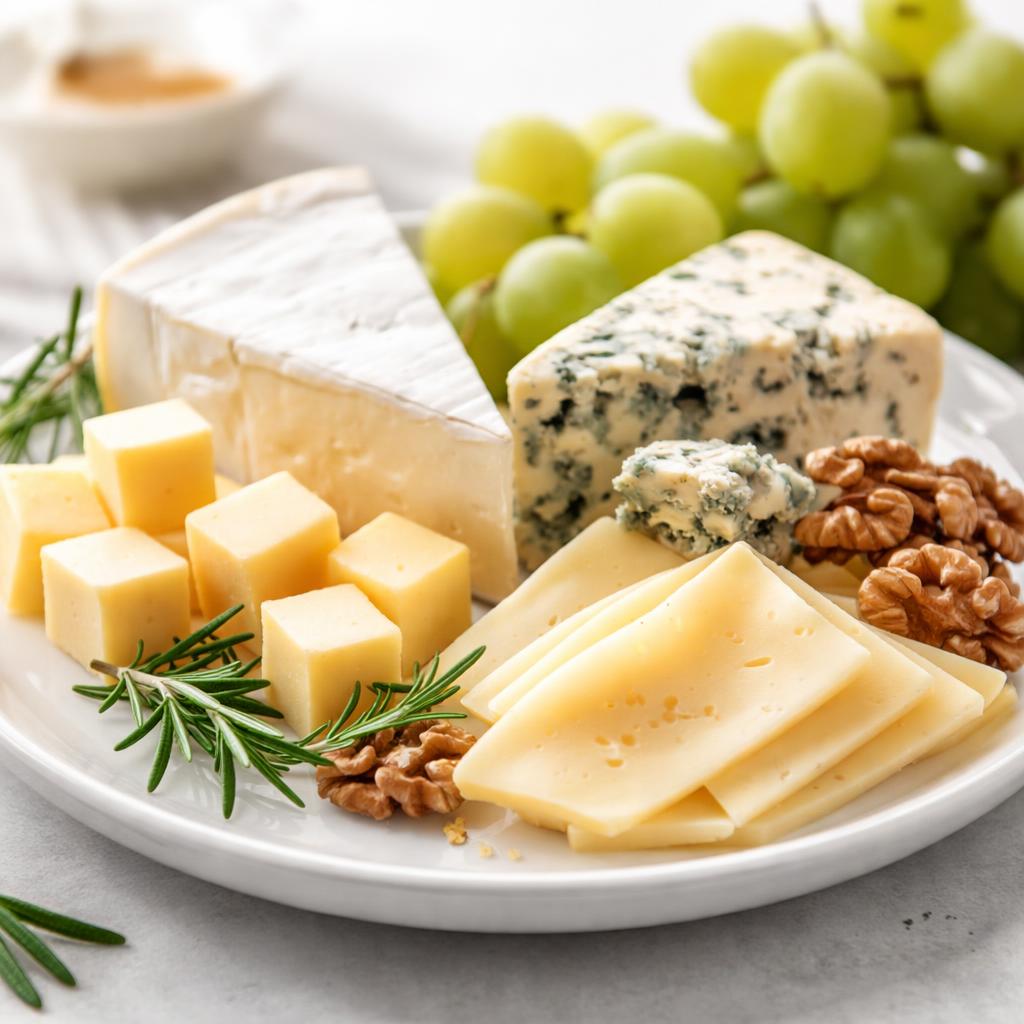
Cheese
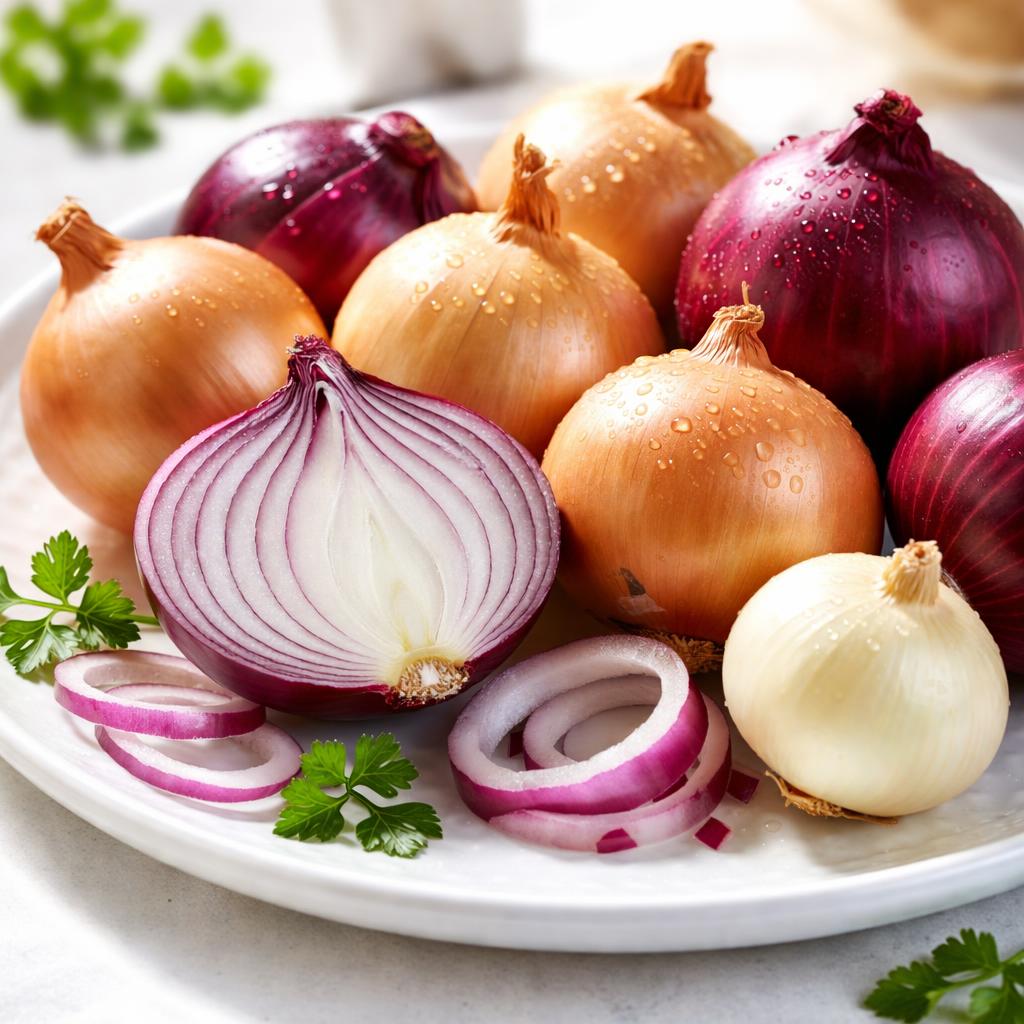
Onions
🎯 Quick Verdict
Cheese and onions are vastly different foods that serve different purposes. Cheese is rich in protein, calcium, and fat, making it suitable for keto and high-protein diets, while onions are low-calorie, high-fiber, and nutrient-dense, fitting well into weight-loss or heart-healthy diets. Best used in combination to balance macros and flavor profiles.

Smart Nutrition Tracking with SnapCalorie

📊 Nutritional Comparison
Macronutrients
| Nutrient | Food 1 | Food 2 | Winner |
|---|---|---|---|
| Calories | 400 (per 100g) | 40 (per 100g) | ✓ |
| Protein | 25g (per 100g) | 1g (per 100g) | ✓ |
| Carbs | 1g (per 100g) | 10g (per 100g) | ✓ |
| Fat | 33g (per 100g) | 0.1g (per 100g) | ✓ |
| Fiber | 0g | 1.7g (per 100g) | ✓ |
Vitamins & Minerals
| Nutrient | Food 1 | Food 2 | Winner |
|---|---|---|---|
| Calcium | 700mg (per 100g) | 23mg (per 100g) | ✓ |
| Vitamin C | 0mg | 7.4mg (per 100g) | ✓ |
| Vitamin D | 0.4mcg | 0mcg | ✓ |
| Iron | 0.1mg (per 100g) | 0.2mg (per 100g) | ✓ |
🏆 Category Winners
Protein
Cheese contains 25g of protein per 100g vs onions' 1g, making it a superior protein source.
Fiber
Onions have 1.7g of fiber per 100g, while cheese has negligible fiber.
Calories
Onions are far lower in calories at 40 calories per 100g compared to cheese's 400 calories.
Vitamins
Cheese shines in calcium and vitamin D, while onions provide vitamin C and iron.
🥗 Diet Compatibility
Keto
Food 1: Compatible
Food 2: Compatible
Cheese is high-fat and very low-carb, while onions are keto-friendly only in moderation due to their carb content.
Vegan
Food 1: Not Compatible
Food 2: Compatible
Cheese is animal-derived (non-vegan), whereas onions are plant-based and vegan-friendly.
Gluten Free
Food 1: Compatible
Food 2: Compatible
Neither food contains gluten.
Paleo
Food 1: Not Compatible
Food 2: Compatible
Cheese is not suitable for strict paleo diets, whereas onions are fully paleo-friendly.
Low Carb
Food 1: Compatible
Food 2: Conditionally Compatible
Cheese is extremely low-carb at 1g per 100g, while onions have 10g carbs per 100g, suitable only for moderate low-carb diets.
💪 Health Benefits Comparison
Food 1 Benefits
- High in protein for muscle and tissue repair
- Excellent source of calcium for bone health
- Contains vitamin D to support immune function
- Provides healthy fats for energy on ketogenic diets
Food 2 Benefits
- Rich in antioxidants that support immune and heart health
- Good source of vitamin C for skin and tissue health
- Contains fiber for improved digestion and gut health
- Supports iron intake for red blood cell production
✅ The Bottom Line
Cheese is ideal for high-protein and keto diets, while onions are perfect for low-calorie, nutrient-dense meals. Pairing the two can enhance flavor while balancing their nutritional benefits.
Choose Food 1 for: Keto diets, high-protein needs, calcium-rich diets
Choose Food 2 for: Weight-loss plans, digestion health, heart-healthy meals


