Cheese VS Octopus
A detailed nutritional comparison
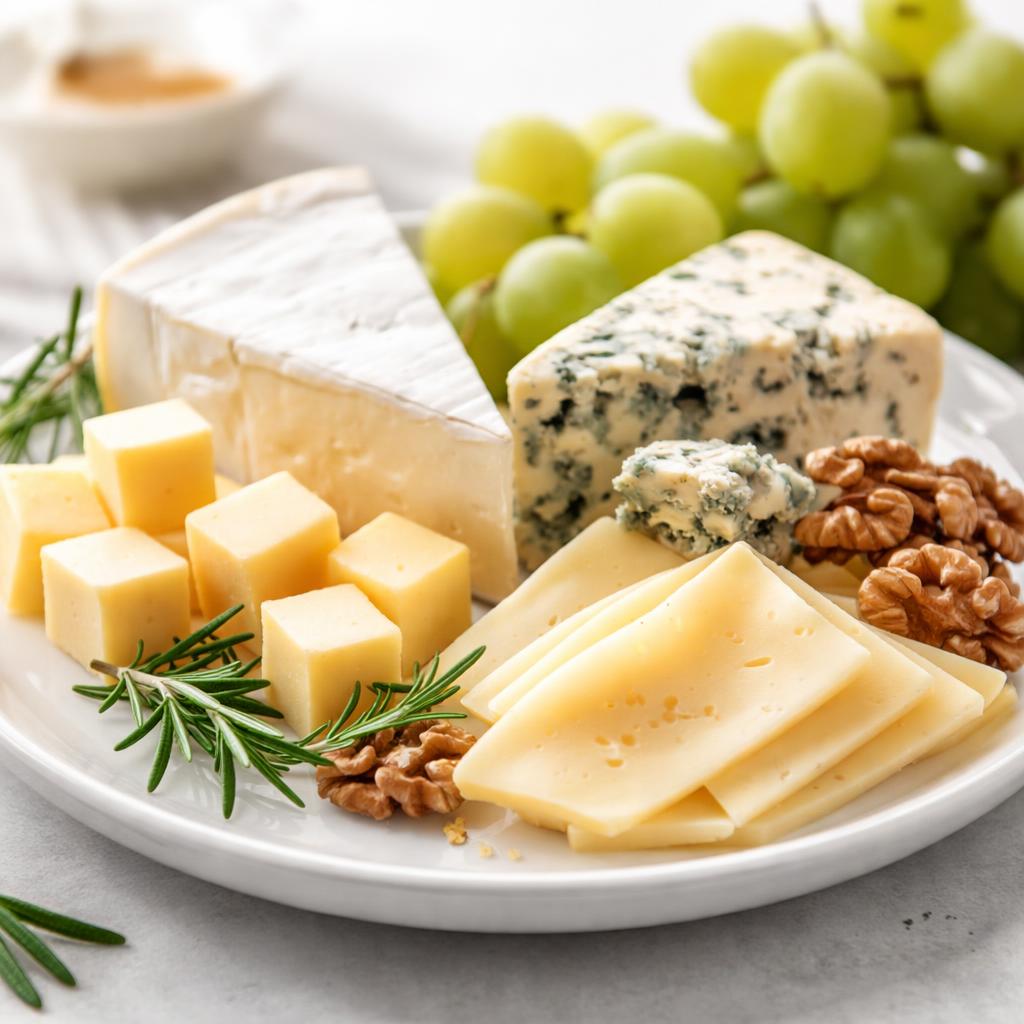
Cheese
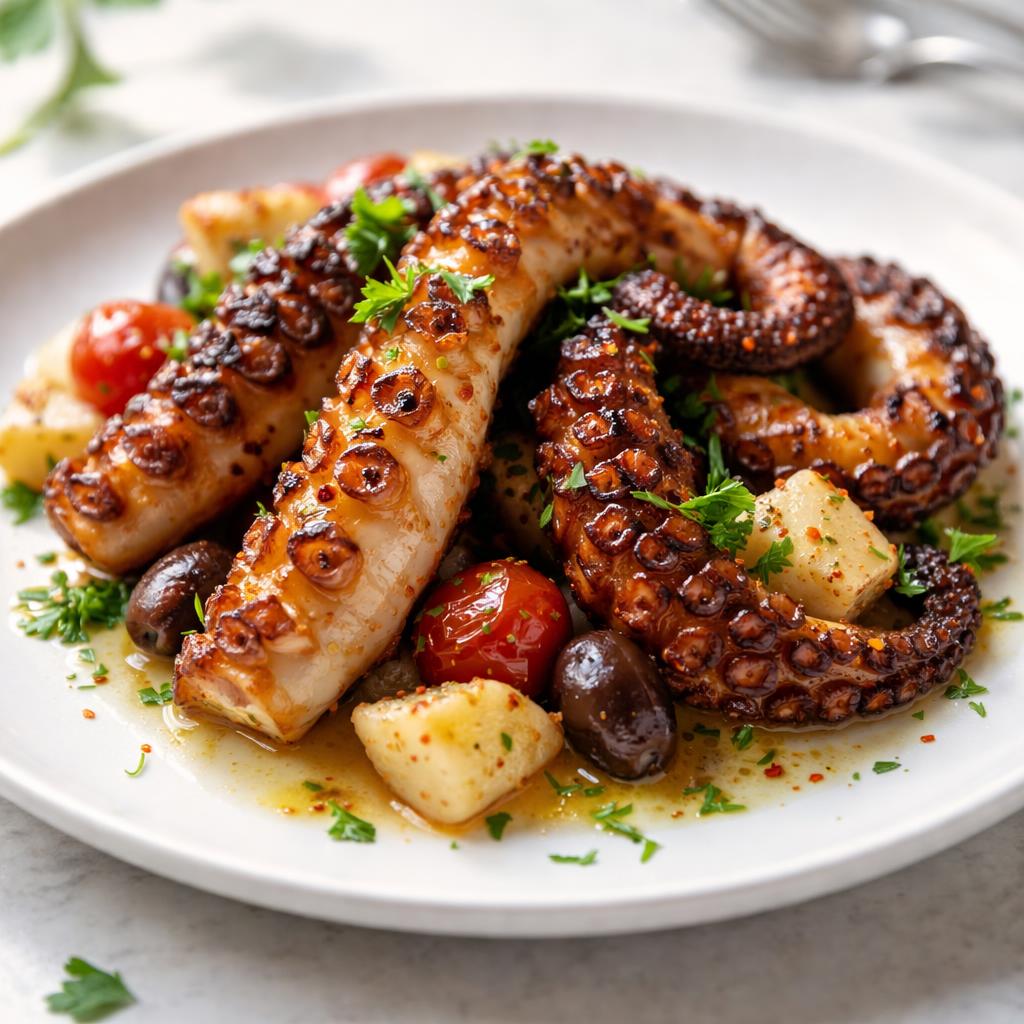
Octopus
🎯 Quick Verdict
Cheese is calorie-dense and high in fat, making it ideal for keto and low-carb diets. Octopus, on the other hand, is lean, low in calories, and rich in protein, making it a great choice for weight loss and protein-focused diets. Both have unique nutritional benefits, depending on your dietary goals.

Smart Nutrition Tracking with SnapCalorie

📊 Nutritional Comparison
Macronutrients
| Nutrient | Food 1 | Food 2 | Winner |
|---|---|---|---|
| Calories | 402 | 82 | ✓ |
| Protein | 25g | 14.9g | ✓ |
| Carbs | 1.3g | 2.2g | ✓ |
| Fat | 33g | 1g | ✓ |
| Fiber | 0g | 0g | − |
Vitamins & Minerals
| Nutrient | Food 1 | Food 2 | Winner |
|---|---|---|---|
| Vitamin D | 1.2mcg | 0mcg | ✓ |
| Calcium | 721mg | 32mg | ✓ |
| Iron | 0.2mg | 9mg | ✓ |
| Vitamin B12 | 0.8mcg | 36mcg | ✓ |
🏆 Category Winners
Protein
Octopus has a higher protein density (14.9g compared to the calorie ratio of 82 kcal).
Fiber
Both foods contain negligible fiber amounts.
Calories
Octopus has significantly fewer calories (82 kcal per serving vs 402 kcal for cheese).
Vitamins
Octopus is richer in vitamin B12 and iron, while cheese excels in calcium and vitamin D.
🥗 Diet Compatibility
Keto
Food 1: Highly Compatible
Food 2: Compatible
Cheese is high-fat and very low-carb, while octopus is lean and low-carb but not high-fat.
Vegan
Food 1: Not Compatible
Food 2: Not Compatible
Both foods are derived from animal sources.
Gluten Free
Food 1: Compatible
Food 2: Compatible
Neither contains gluten naturally.
Paleo
Food 1: Not Compatible
Food 2: Compatible
Cheese is not permissible on Paleo diets, but octopus is compliant.
Low-Carb
Food 1: Highly Compatible
Food 2: Compatible
Cheese is ultra-low in carbs (1.3g per serving); octopus is also low-carb (2.2g per serving).
💪 Health Benefits Comparison
Food 1 Benefits
- Rich source of calcium for strong bones
- Contains vitamin D, supporting immune and bone health
- High in fats, making it energy-dense for physical activity needs
Food 2 Benefits
- Excellent source of lean protein for muscle maintenance
- Rich in iron, supporting red blood cell production
- Provides vitamin B12 for nerve and brain function
✅ The Bottom Line
For individuals on keto or seeking high-calorie, high-fat foods, cheese is the top choice. For those focusing on weight loss, lean protein, and essential vitamins like B12 and iron, octopus is superior. Both are low-carb and versatile options depending on dietary goals.
Choose Food 1 for: Keto diets, calcium supplementation, quick energy needs
Choose Food 2 for: Weight loss, lean protein diets, iron and B12 supplementation


