Cheese VS Mustard Sauce
A detailed nutritional comparison
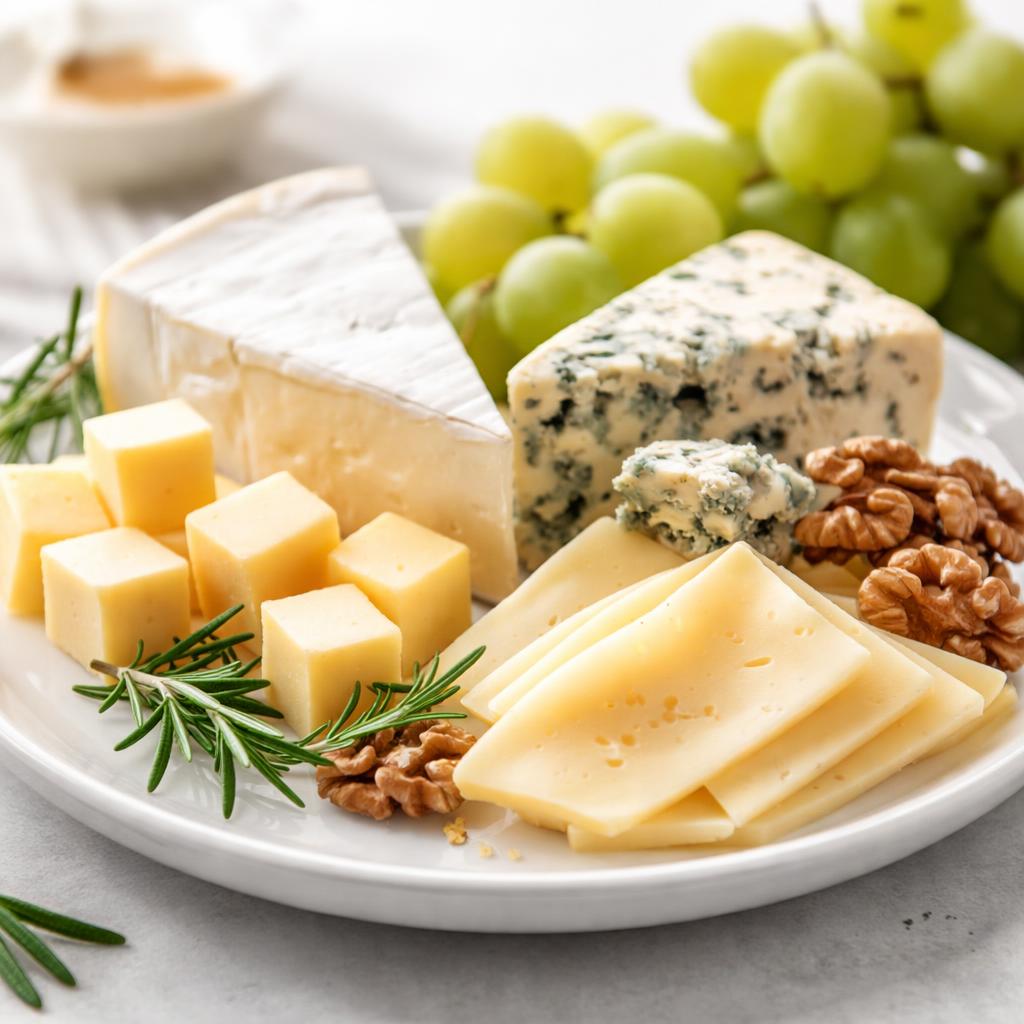
Cheese
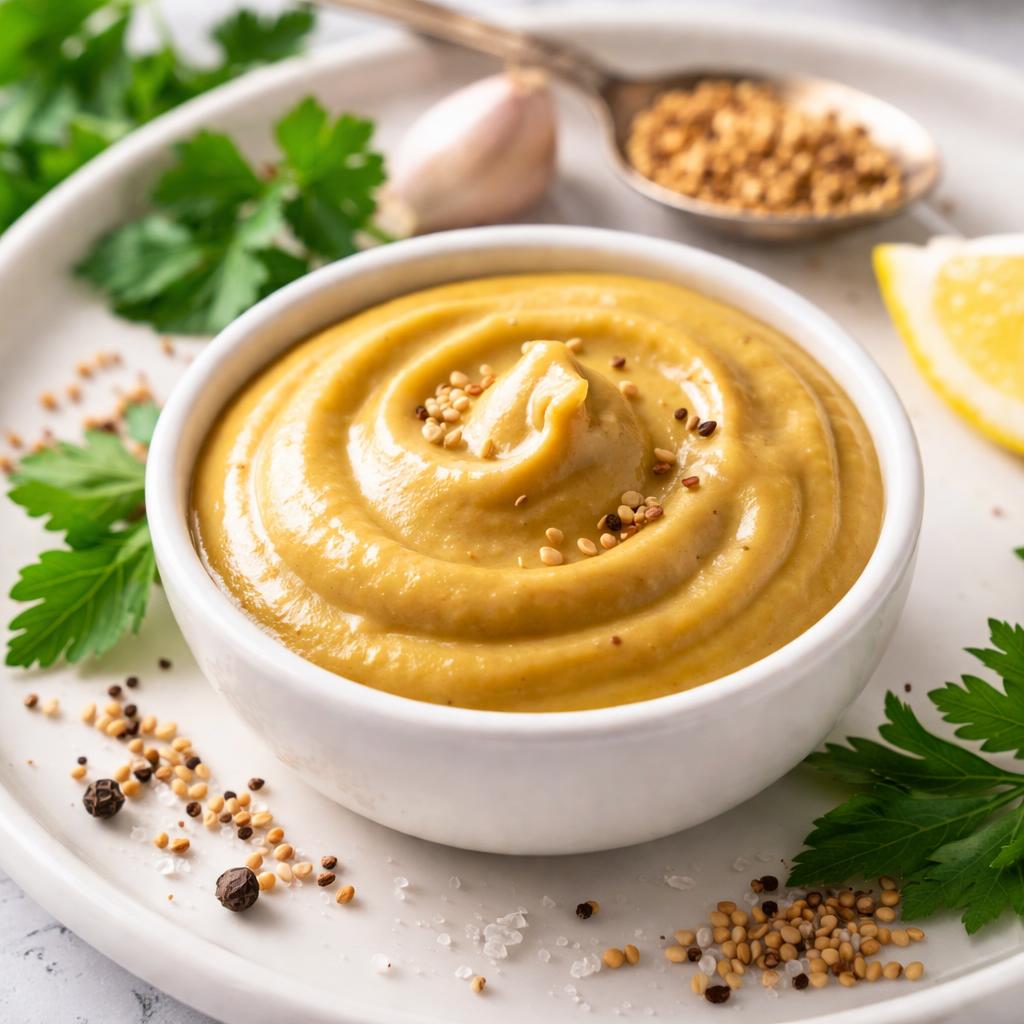
Mustard Sauce
🎯 Quick Verdict
Cheese is higher in protein, calcium, and overall nutrient density, making it ideal for muscle maintenance and bone health. Mustard sauce, on the other hand, is extremely low in calories, making it a great condiment for weight loss or low-calorie diets. Cheese is more of a standalone food, while mustard sauce complements other foods with flavor and negligible calories.

Smart Nutrition Tracking with SnapCalorie

📊 Nutritional Comparison
Macronutrients
| Nutrient | Food 1 | Food 2 | Winner |
|---|---|---|---|
| Calories | 113 | 10 | ✓ |
| Protein | 7g | 0g | ✓ |
| Carbs | 1g | 1g | − |
| Fat | 9g | 0g | ✓ |
| Fiber | 0g | 0g | − |
Vitamins & Minerals
| Nutrient | Food 1 | Food 2 | Winner |
|---|---|---|---|
| Vitamin D | 0.2mcg | 0mcg | ✓ |
| Calcium | 200mg | 5mg | ✓ |
| Iron | 0.2mg | 0.3mg | ✓ |
🏆 Category Winners
Protein
Cheese is high in protein (7g per serving vs 0g in mustard sauce).
Fiber
Neither cheese nor mustard sauce contains significant fiber.
Calories
Mustard sauce has only 10 calories per serving, far less than cheese's 113 calories.
Vitamins
Cheese is richer in calcium and vitamin D, providing essential nutrients for bone health.
🥗 Diet Compatibility
Keto
Food 1: Compatible
Food 2: Compatible
Both are low-carb options. Cheese is particularly high-fat, which is beneficial for keto diets.
Vegan
Food 1: Not Compatible
Food 2: Compatible
Cheese contains dairy, while mustard sauce is plant-based.
Gluten Free
Food 1: Compatible
Food 2: Compatible
Neither contains gluten.
Paleo
Food 1: Compatible
Food 2: Compatible
Cheese is minimally processed if aged traditionally; mustard sauce is simply a natural condiment.
Low-Carb
Food 1: Compatible
Food 2: Compatible
Both foods are extremely low in carbohydrate content.
💪 Health Benefits Comparison
Food 1 Benefits
- Rich source of protein for muscle building and repair
- High calcium content supports strong teeth and bones
- Contains small amounts of vitamin D for immune function
- Provides healthy fats for sustained energy on low-carb diets
Food 2 Benefits
- Extremely low-calorie condiment, great for weight management
- Contains no fat, making it heart-friendly
- Provides trace minerals like potassium and iron
- Adds flavor to meals without adding significant calories or carbs
✅ The Bottom Line
Cheese is ideal for high-protein diets or as a nutritious snack that supports bone health, but is higher in calories. Mustard sauce is perfect for adding flavor to meals without impacting your calorie or macronutrient profile significantly. Cheese is an excellent standalone food, while mustard sauce complements other dishes well.
Choose Food 1 for: Muscle building, bone health, keto diets
Choose Food 2 for: Weight loss, calorie-controlled diets, flavor enhancements


