Cheese VS Ham
A detailed nutritional comparison
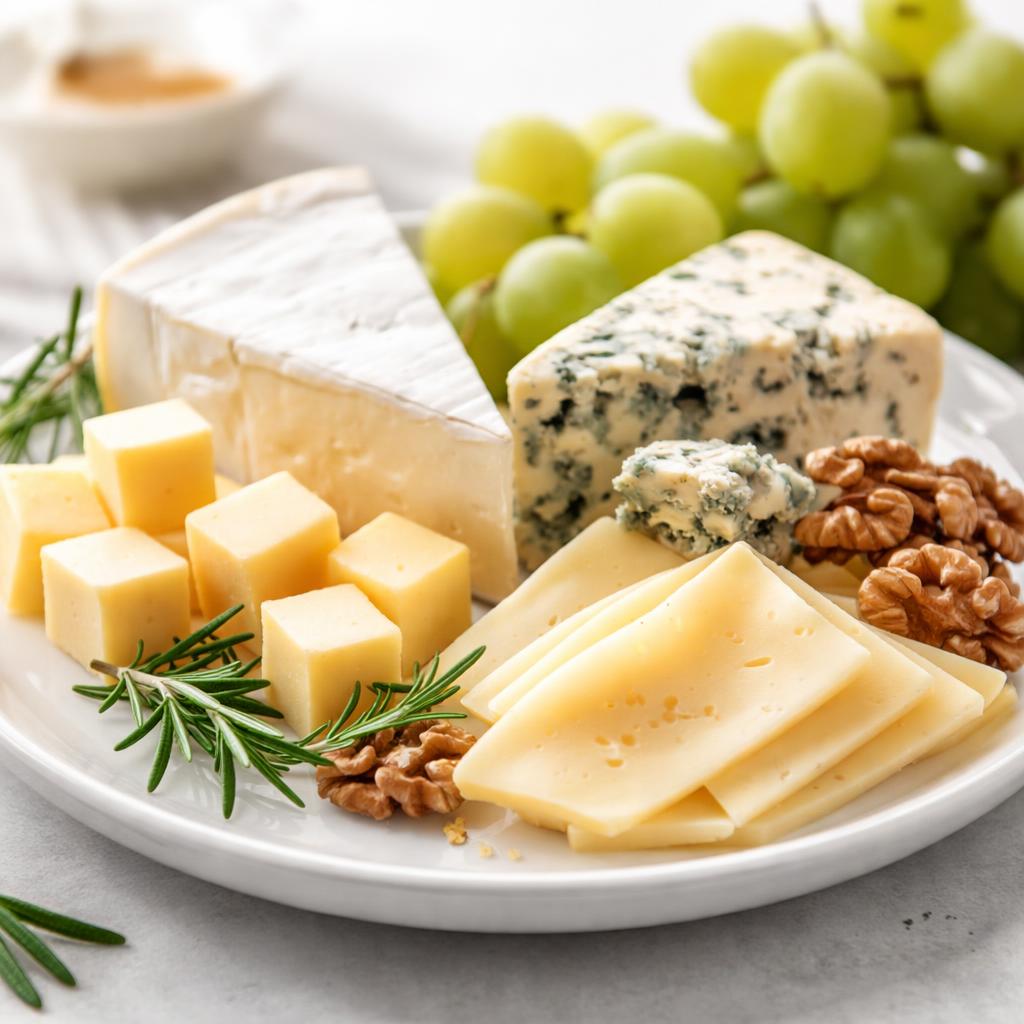
Cheese

Ham
🎯 Quick Verdict
Ham has higher protein content, lower calories, and slightly more vitamins compared to cheese, which is significant for muscle building and calorie-conscious diets. Cheese, on the other hand, is richer in fats, calcium, and vitamin D, making it useful for bone health and energy-dense diets. Both foods lack fiber, but ham edges out as a more practical choice for lean protein and fewer calories overall.

Smart Nutrition Tracking with SnapCalorie

📊 Nutritional Comparison
Macronutrients
| Nutrient | Food 1 | Food 2 | Winner |
|---|---|---|---|
| Calories | 402 (per 100g) | 145 (per 100g) | ✓ |
| Protein | 25g | 20g | ✓ |
| Carbs | 1g | 1.5g | − |
| Fat | 33g | 5g | ✓ |
| Fiber | 0g | 0g | − |
Vitamins & Minerals
| Nutrient | Food 1 | Food 2 | Winner |
|---|---|---|---|
| Vitamin D | 0.4mcg | 0.2mcg | ✓ |
| Calcium | 721mg | 6mg | ✓ |
| Iron | 0.2mg | 1mg | ✓ |
| Sodium | 750mg | 1200mg | ✓ |
🏆 Category Winners
Protein
Ham provides high-quality lean protein with lower calorie content making it the superior choice here.
Fiber
Neither cheese nor ham contains dietary fiber, so there is no winner.
Calories
Ham has significantly lower calories at 145 per 100g compared to cheese's 402 calories.
Vitamins
Ham is richer in some key nutrients like sodium and iron, though cheese excels in calcium.
🥗 Diet Compatibility
Keto
Food 1: Compatible
Food 2: Compatible
Both foods are low in carbohydrates and fit well into a ketogenic diet.
Vegan
Food 1: Not Compatible
Food 2: Not Compatible
Both are animal-derived products and not vegan-friendly.
Gluten Free
Food 1: Compatible
Food 2: Compatible
Neither food contains gluten naturally.
Paleo
Food 1: Not Compatible
Food 2: Compatible
Ham is typically paleo-friendly if minimally processed, while cheese is excluded in strict paleo diets.
Low-Carb
Food 1: Compatible
Food 2: Compatible
Both are extremely low-carb, making them ideal for low-carb diets.
💪 Health Benefits Comparison
Food 1 Benefits
- Excellent source of calcium, supporting bone health
- Provides energy-dense fats useful for active individuals
- Contains vitamin D, which helps the body absorb calcium
Food 2 Benefits
- Rich in lean protein for muscle building and recovery
- Lower calorie option for weight management
- Contains iron to support oxygen transport and energy levels
- Higher sodium content, useful for athletes needing electrolyte replenishment
✅ The Bottom Line
Ham is the better option for those seeking high protein with lower calorie density and lean nutritional profiles, especially useful for weight management and muscle recovery. Cheese shines as an energy-dense choice with superior calcium and vitamin D for bone health and overall energy needs, but is less suitable for lean diets due to higher fats and calorie content.
Choose Food 1 for: Bone health, energy-dense fans, rich flavor enhancement
Choose Food 2 for: Muscle-building, weight management, low-calorie protein intake


