Cheese VS Gyoza
A detailed nutritional comparison
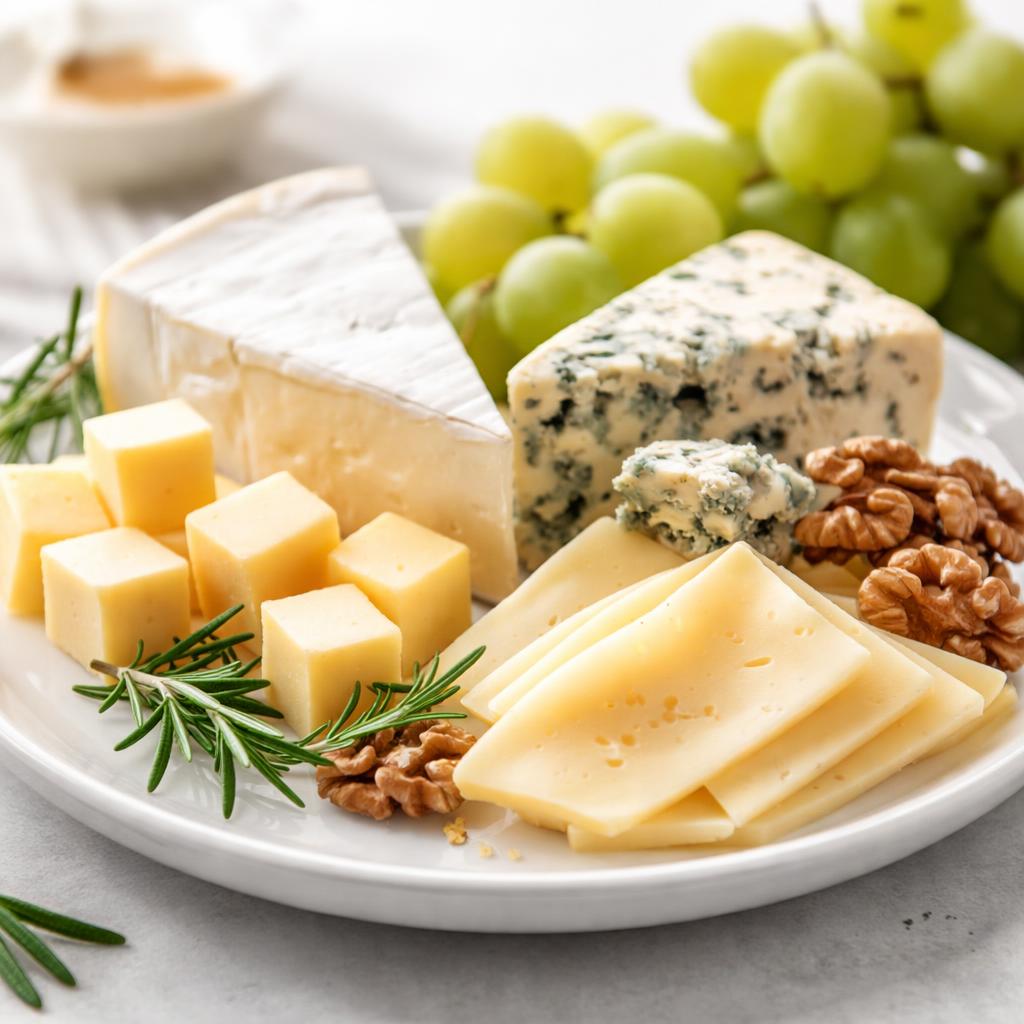
Cheese

Gyoza
🎯 Quick Verdict
Cheese is a higher-protein, lower-calorie food with no fiber and rich in calcium and fat. Gyoza, on the other hand, offers a balanced mix of carbs, protein, and fat, alongside a small amount of dietary fiber. Cheese is better for a keto or low-carb diet while gyoza is more suitable for general balanced meals or energy-focused diets.

Smart Nutrition Tracking with SnapCalorie

📊 Nutritional Comparison
Macronutrients
| Nutrient | Food 1 | Food 2 | Winner |
|---|---|---|---|
| Calories | 120 per 1 oz | 195 per 6 pieces | ✓ |
| Protein | 7g per 1 oz | 5g per 6 pieces | ✓ |
| Carbs | 1g per 1 oz | 22g per 6 pieces | ✓ |
| Fat | 9g per 1 oz | 8g per 6 pieces | ✓ |
| Fiber | 0g per 1 oz | 1g per 6 pieces | ✓ |
Vitamins & Minerals
| Nutrient | Food 1 | Food 2 | Winner |
|---|---|---|---|
| Vitamin D | 0.2mcg | 0mcg | ✓ |
| Calcium | 200mg | 20mg | ✓ |
| Iron | 0mg | 0.7mg | ✓ |
🏆 Category Winners
Protein
Cheese has 40% more protein per comparable serving size.
Fiber
Gyoza provides dietary fiber while cheese contains none.
Calories
Cheese has approximately 38% fewer calories per serving.
🥗 Diet Compatibility
Keto
Food 1: Compatible
Food 2: Not Compatible
Cheese is low in carbs, making it ideal for ketogenic diets.
Vegan
Food 1: Not Compatible
Food 2: Not Compatible
Neither food is vegan-friendly as both contain animal or animal-derived ingredients.
Gluten Free
Food 1: Compatible
Food 2: Not Compatible
Cheese does not contain gluten, but gyoza typically uses wheat-based wrappers.
Paleo
Food 1: Compatible
Food 2: Not Compatible
Cheese (if unprocessed) fits better in paleo diets, while gyoza contains refined grains and additives.
Low Carb
Food 1: Compatible
Food 2: Not Compatible
Cheese has only 1g carbohydrate per serving, while gyoza contains 22g carbohydrates.
💪 Health Benefits Comparison
Food 1 Benefits
- Excellent source of calcium for bone health
- High in protein for muscle growth and repair
- Contains healthy fats that provide energy
- Rich in Vitamin D for immune and bone support
Food 2 Benefits
- Provides balanced energy with carbs, protein, and fat
- Contains iron for oxygen transport in the body
- Includes some fiber for digestive health
- Offers antioxidants from vegetable fillings
✅ The Bottom Line
Cheese is ideal for low-carb, keto, or high-protein diets, plus it's easily paired with other foods for versatile usage. Gyoza is better suited for those seeking a balanced meal with carbs for energy and moderate protein. Cheese is a great snack or side option, while gyoza fits family meals or carb-rich recovery days.
Choose Food 1 for: Low-carb diets, high-protein diets, keto-friendly snacks
Choose Food 2 for: Balanced meals, moderate-carb diets, nutrient-dense options


