Cheese VS Gravy
A detailed nutritional comparison
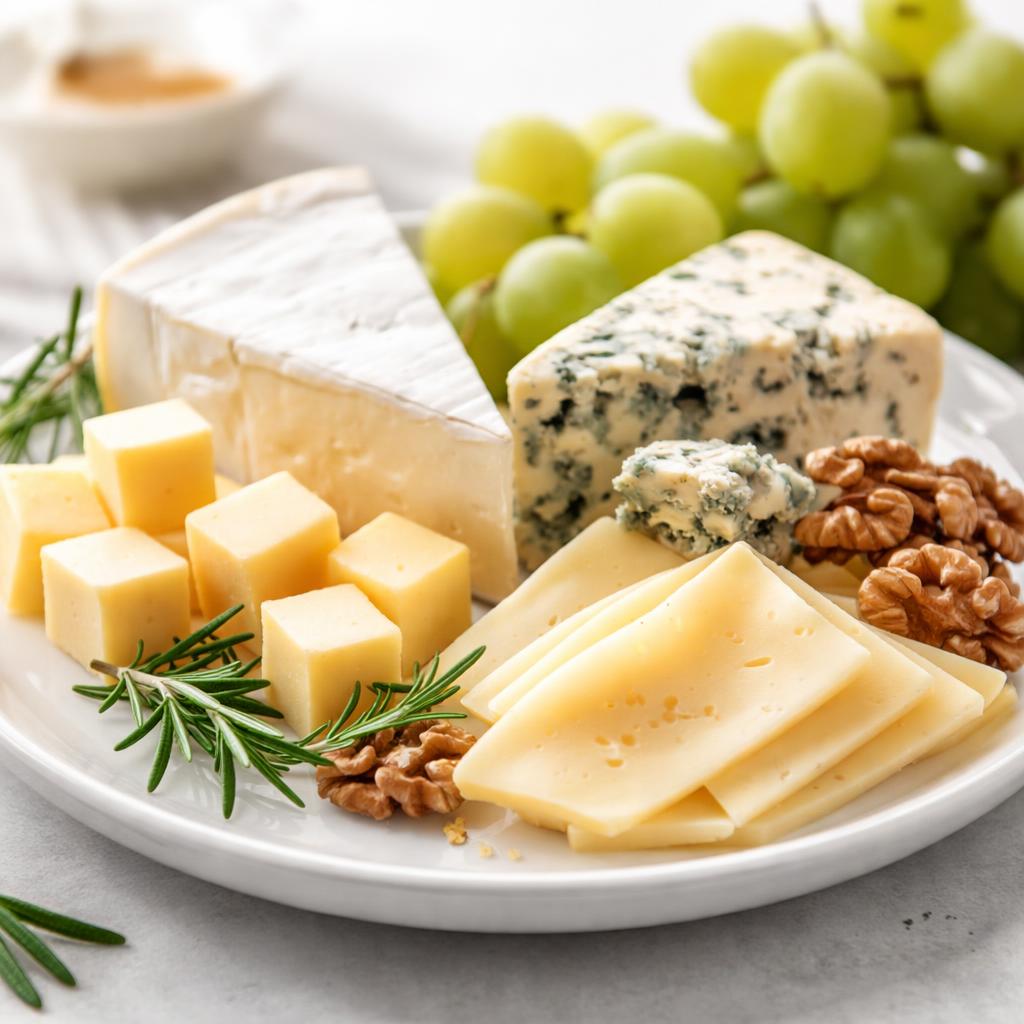
Cheese

Gravy
🎯 Quick Verdict
Cheese is higher in protein and lower in calories compared to gravy, making it a more nutrient-dense choice for muscle maintenance and weight management. Gravy contains fewer macronutrients but offers flavor enhancement and consistency, ideal for complementing meals rather than as a standalone food.

Smart Nutrition Tracking with SnapCalorie

📊 Nutritional Comparison
Macronutrients
| Nutrient | Food 1 | Food 2 | Winner |
|---|---|---|---|
| Calories | 113 | 50 | ✓ |
| Protein | 7g | 0.5g | ✓ |
| Carbs | 1.3g | 5g | ✓ |
| Fat | 9g | 3g | ✓ |
| Fiber | 0g | 0g | − |
Vitamins & Minerals
| Nutrient | Food 1 | Food 2 | Winner |
|---|---|---|---|
| Vitamin A | 330 IU | 50 IU | ✓ |
| Calcium | 200mg | 20mg | ✓ |
| Iron | 0.2mg | 0.1mg | ✓ |
🏆 Category Winners
Protein
Cheese contains significantly more protein (14 times more per serving) than gravy.
Fiber
Neither cheese nor gravy contains meaningful fiber.
Calories
Gravy has fewer calories, but mostly due to lower nutrient density.
🥗 Diet Compatibility
Keto
Food 1: Compatible
Food 2: Not Compatible
Cheese is low-carb, whereas gravy contains higher carbs from starch and flour.
Vegan
Food 1: Not Compatible
Food 2: Potentially Compatible
Cheese is typically made from animal products, while gravy can be plant-based depending on preparation.
Gluten Free
Food 1: Compatible
Food 2: Not Compatible
Cheese is naturally gluten-free, while gravy often contains gluten due to flour-based thickening agents.
Paleo
Food 1: Compatible (if dairy is permitted)
Food 2: Not Compatible
Gravy often includes processed ingredients that are not paleo-friendly.
Low-Carb
Food 1: Compatible
Food 2: Not Compatible
Cheese is low in carbohydrates, whereas gravy has higher carbohydrate content.
💪 Health Benefits Comparison
Food 1 Benefits
- Rich source of high-quality protein for muscle repair
- Contains calcium for bone health
- Provides Vitamin A for vision and immunity
Food 2 Benefits
- Flavors dishes and boosts satiety, complementing meals
- May provide antioxidants depending on preparation (e.g., herbs or spices)
- Adds liquid consistency to meals, aiding in hydration
✅ The Bottom Line
Cheese is nutrient-dense, offering protein, calcium, and healthy fats, making it ideal for active people, weight management, and bone health. Gravy is better suited for flavor enhancement and should be consumed sparingly due to its lower overall nutritional value. Choose cheese for standalone nutritional benefits, and gravy as a meal complement.
Choose Food 1 for: Muscle maintenance, bone health, keto dieting
Choose Food 2 for: Meal enhancement, flavoring, texture improvement


