Cheese VS Grated Cheese
A detailed nutritional comparison
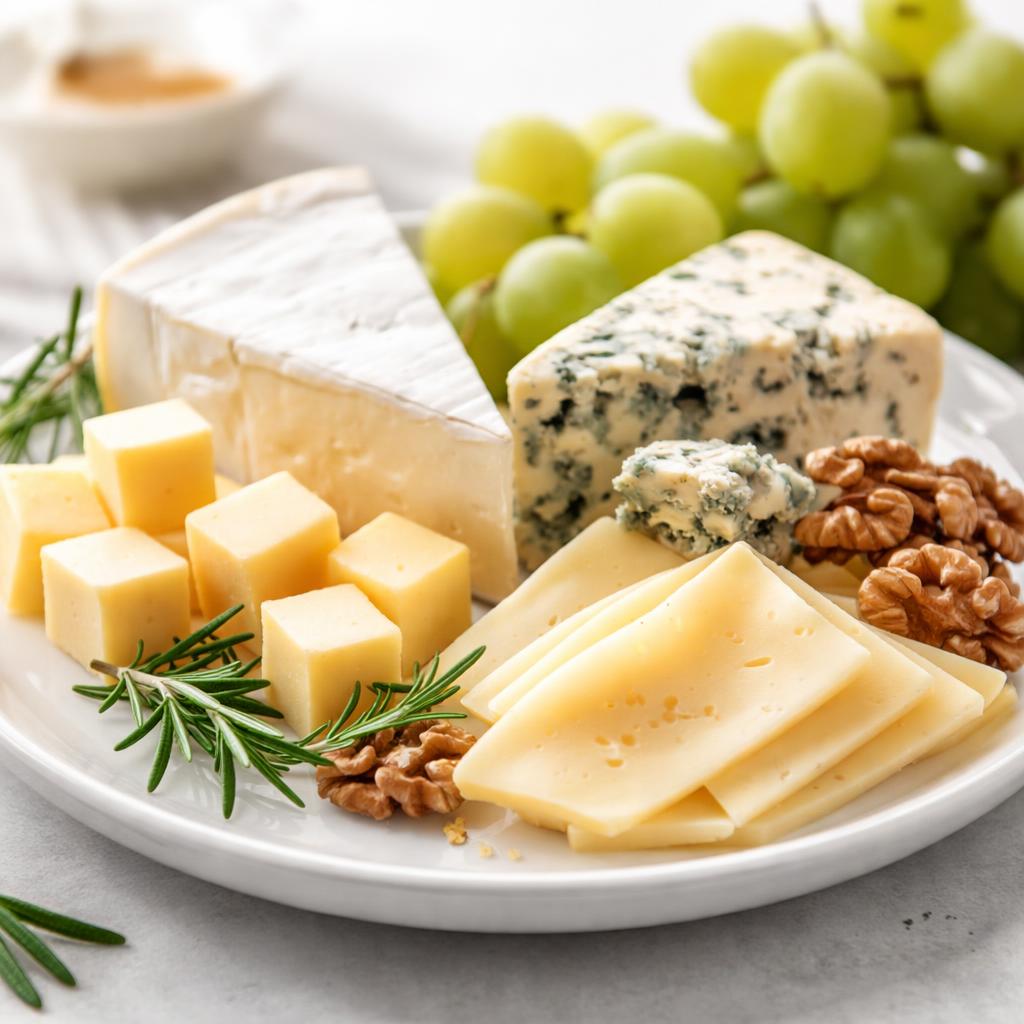
Cheese
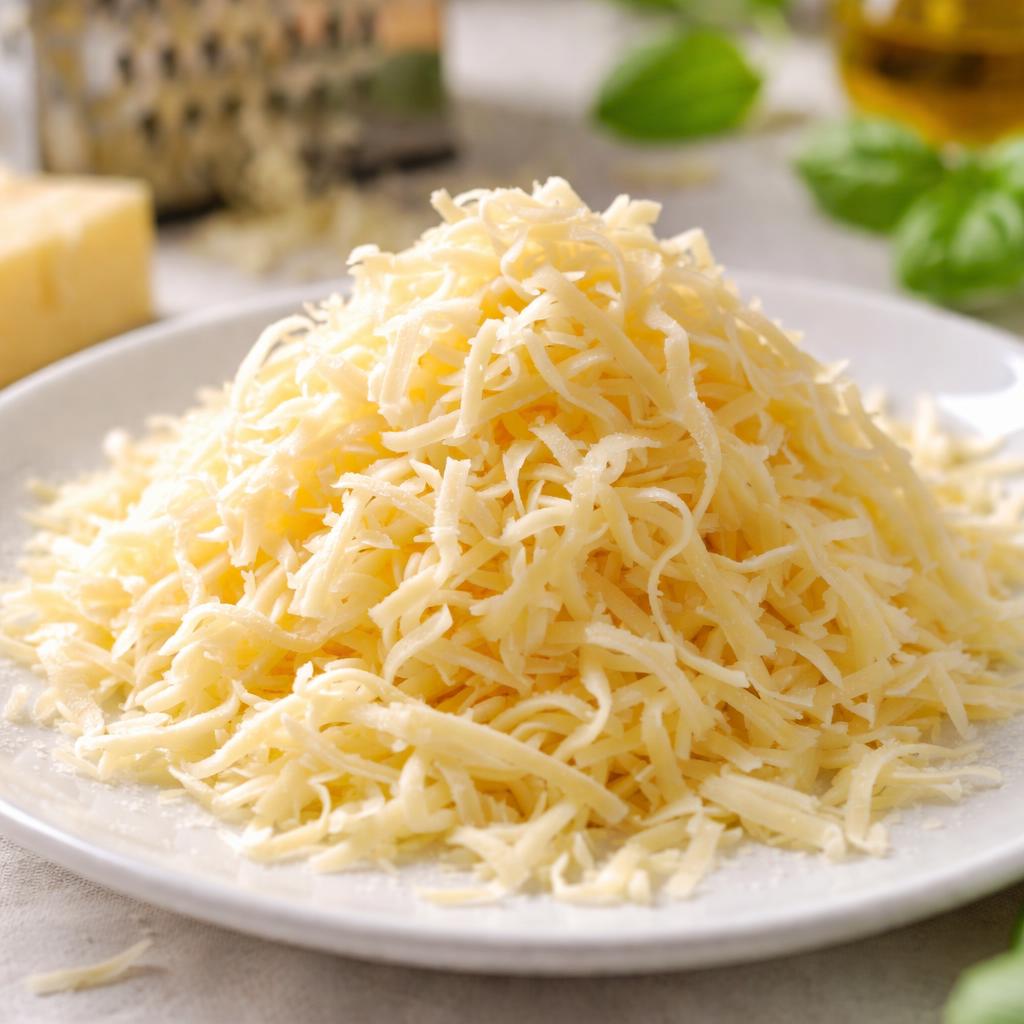
Grated Cheese
🎯 Quick Verdict
Cheese and grated cheese are nutritionally identical as grated cheese is simply finely shredded cheese. Both provide similar levels of protein, fat, calories, and micronutrients. Grated cheese is easier to use as a topping or for quick melting, while whole cheese offers versatility for slicing or serving in blocks.

Smart Nutrition Tracking with SnapCalorie

📊 Nutritional Comparison
Macronutrients
| Nutrient | Food 1 | Food 2 | Winner |
|---|---|---|---|
| Calories | 402 per 100g | 402 per 100g | − |
| Protein | 25g per 100g | 25g per 100g | − |
| Carbs | 1g per 100g | 1g per 100g | − |
| Fat | 33g per 100g | 33g per 100g | − |
| Fiber | 0g per 100g | 0g per 100g | − |
Vitamins & Minerals
| Nutrient | Food 1 | Food 2 | Winner |
|---|---|---|---|
| Vitamin A | 330 IU | 330 IU | − |
| Calcium | 721mg per 100g | 721mg per 100g | − |
| Vitamin D | 0.6mcg per 100g | 0.6mcg per 100g | − |
🏆 Category Winners
Protein
Both offer 25g of protein per 100g.
Fiber
Neither contains dietary fiber.
Calories
Both have identical caloric content (402 per 100g).
🥗 Diet Compatibility
Keto
Food 1: Compatible
Food 2: Compatible
Both are high-fat, low-carb options suitable for keto diets.
Vegan
Food 1: Not Compatible
Food 2: Not Compatible
Cheese is a dairy product, not plant-based.
Gluten Free
Food 1: Compatible
Food 2: Compatible
Cheese does not contain gluten.
Paleo
Food 1: Not Compatible
Food 2: Not Compatible
Cheese is not allowed on strict paleo diets due to its dairy origin.
Low-Carb
Food 1: Compatible
Food 2: Compatible
Cheese is a low-carb food with only 1g carbs per 100g.
💪 Health Benefits Comparison
Food 1 Benefits
- Rich source of calcium for bone health
- High in protein for muscle repair and maintenance
- Provides healthy fats for energy
- Contains small amounts of vitamin D for bone strength
Food 2 Benefits
- Convenient and versatile for quick cooking or topping
- Rich source of calcium for bone health
- High in protein to support muscle health
- Offers healthy fats for energy and satiety
✅ The Bottom Line
Cheese and grated cheese are nutritionally equivalent, with the primary difference being in form. Choose cheese for versatility in slicing, serving, or cooking, and opt for grated cheese for ease as a topping or quick-melting applications.
Choose Food 1 for: General use, slicing, cheese platters, snacking
Choose Food 2 for: Toppings, quick recipes, melting applications


