Cheese VS Focaccia
A detailed nutritional comparison
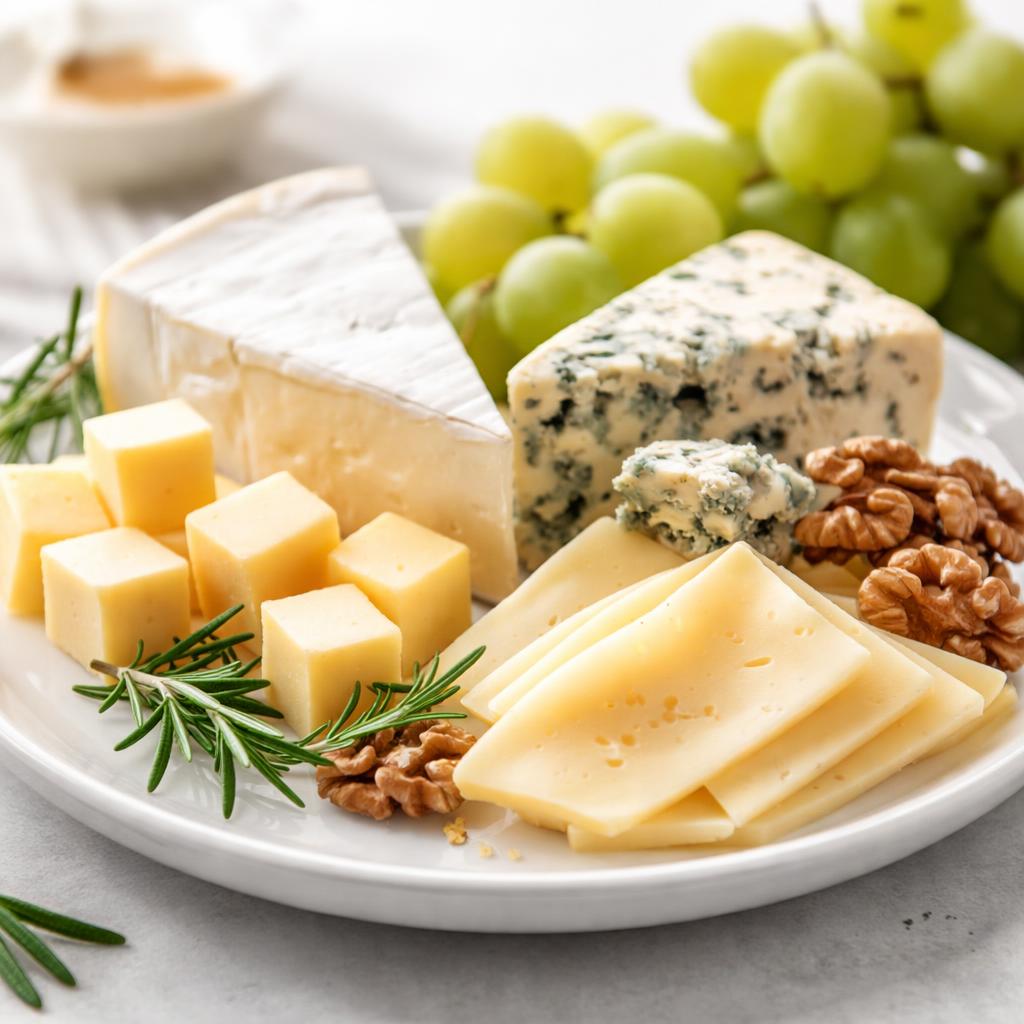
Cheese
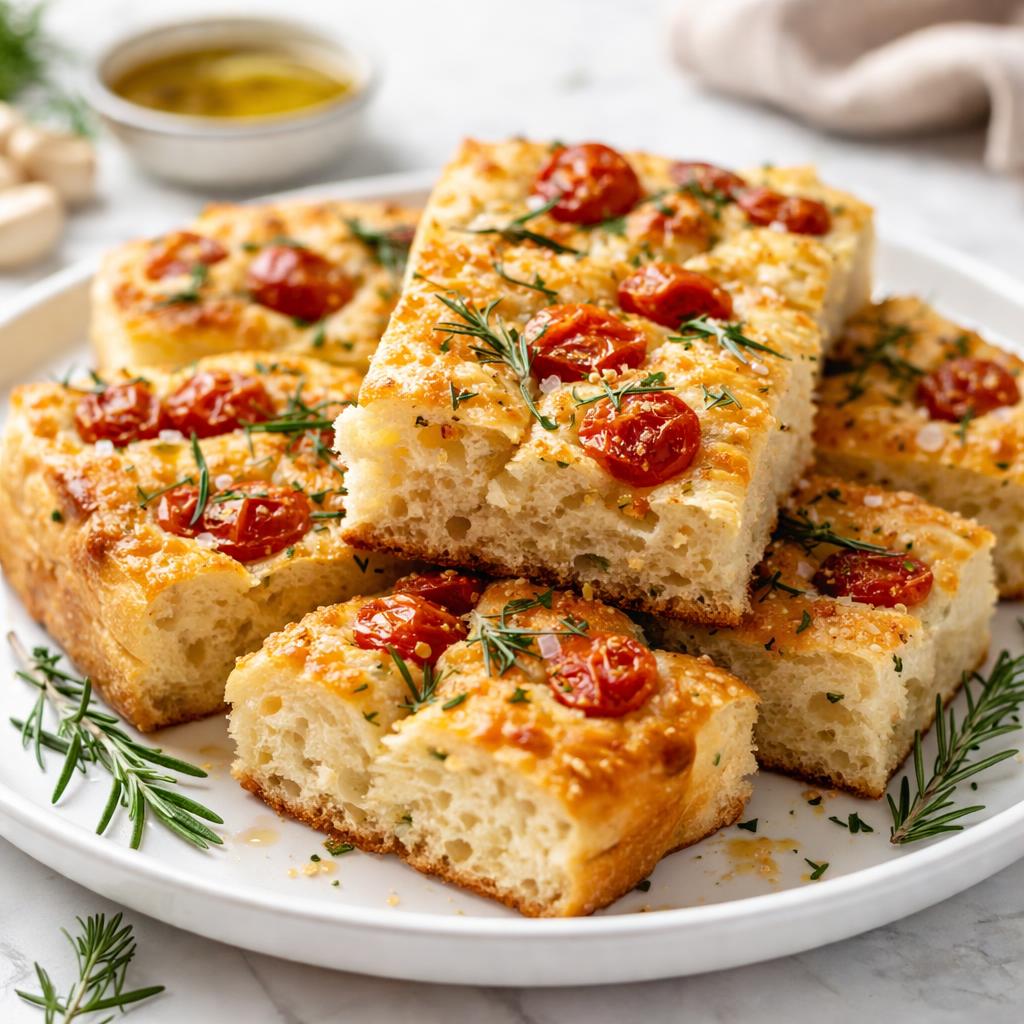
Focaccia
🎯 Quick Verdict
Cheese is higher in protein, lower in calories, and provides more vitamins like calcium and vitamin D, making it ideal for muscle maintenance and bone health. Focaccia, on the other hand, is higher in fiber and carbohydrates, making it a better choice for sustained energy and gut health. Both have unique benefits, depending on dietary goals.

Smart Nutrition Tracking with SnapCalorie

📊 Nutritional Comparison
Macronutrients
| Nutrient | Food 1 | Food 2 | Winner |
|---|---|---|---|
| Calories | 120 | 220 | ✓ |
| Protein | 7g | 5g | ✓ |
| Carbs | 1g | 35g | ✓ |
| Fat | 10g | 7g | ✓ |
| Fiber | 0g | 2g | ✓ |
Vitamins & Minerals
| Nutrient | Food 1 | Food 2 | Winner |
|---|---|---|---|
| Vitamin D | 0.5mcg | 0mcg | ✓ |
| Calcium | 200mg | 15mg | ✓ |
| Iron | 0.1mg | 1mg | ✓ |
🏆 Category Winners
Protein
Cheese provides more protein per serving, essential for muscle repair.
Fiber
Focaccia contains dietary fiber supporting digestive health.
Calories
Cheese has nearly half the calories of focaccia for a similar serving size.
Vitamins
Cheese is richer in calcium and vitamin D, key for bone health.
🥗 Diet Compatibility
Keto
Food 1: Compatible
Food 2: Not Compatible
Cheese is low in carbohydrates, while focaccia is high-carb due to flour.
Vegan
Food 1: Not Compatible
Food 2: Compatible
Cheese contains dairy, but focaccia can be made vegan depending on ingredients like olive oil.
Gluten Free
Food 1: Compatible
Food 2: Not Compatible
Focaccia traditionally contains gluten from wheat flour, while cheese is naturally gluten-free.
Paleo
Food 1: Not Compatible
Food 2: Not Compatible
Neither is paleo-friendly; cheese contains dairy and focaccia includes processed grains.
Low-Carb
Food 1: Compatible
Food 2: Not Compatible
Cheese has minimal carbs, ideal for low-carb diets.
💪 Health Benefits Comparison
Food 1 Benefits
- Rich source of protein for muscle maintenance
- Excellent source of calcium for healthy bones
- Provides vitamin D for immune support
- Contains healthy fats for energy and brain health
Food 2 Benefits
- High in fiber for digestive health
- Provides sustained energy from carbohydrates
- Contains iron for healthy blood flow
- Often made with olive oil, which is beneficial for heart health
✅ The Bottom Line
Choose cheese for high-protein, low-carb, and nutrient-dense needs such as weight loss or muscle building. Opt for focaccia when prioritizing energy, fiber, and a plant-based diet. Both foods have distinct benefits depending on dietary goals.
Choose Food 1 for: Low-carb diets, bone health, post-workout meals
Choose Food 2 for: Sustained energy, vegan meals, digestive health


