Cheese VS Fat
A detailed nutritional comparison
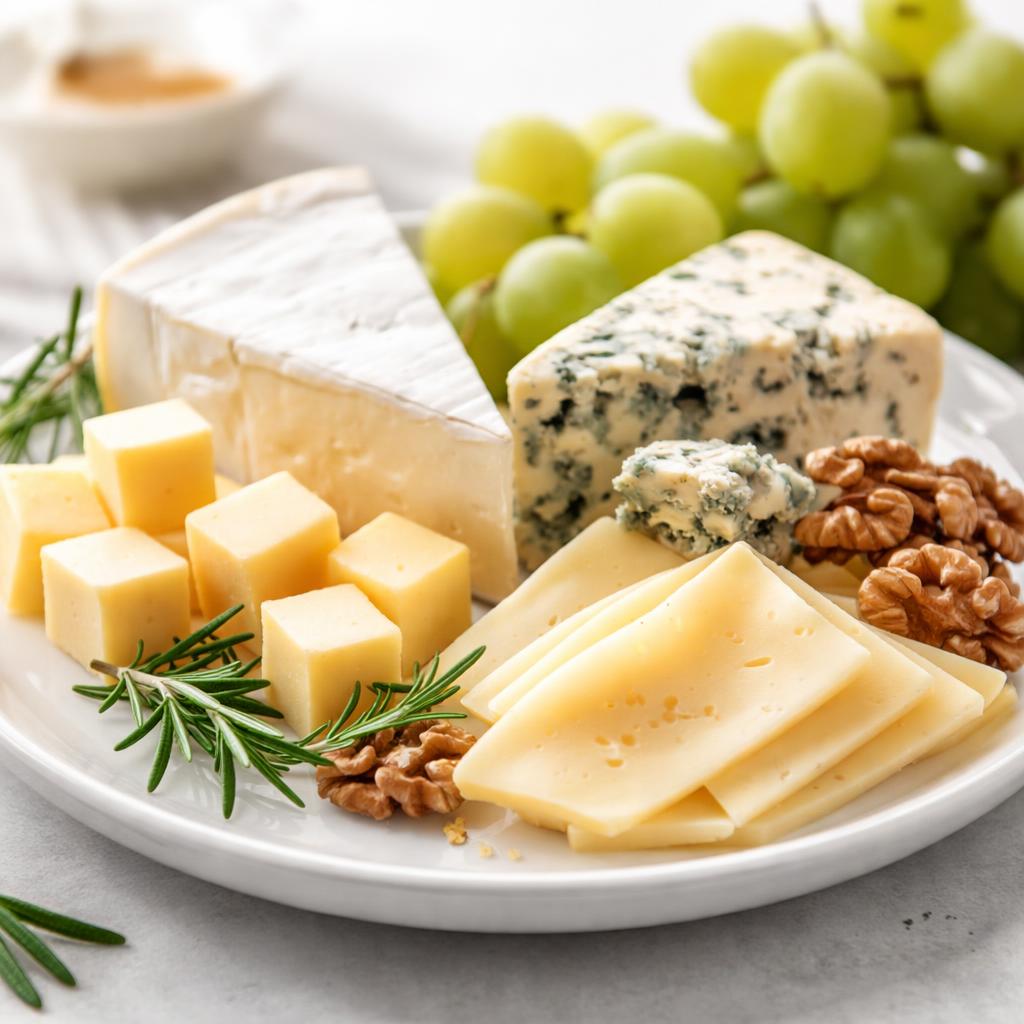
Cheese

Fat
🎯 Quick Verdict
Cheese (food1) is a nutrient-dense food with higher protein and calcium, making it a solid choice for muscle growth and bone health. Fat (food2), while calorie-dense, is pure fat with virtually no protein or vitamins, serving primarily as a concentrated energy source. Cheese is better for balanced nutrition, while fat is ideal for energy-focused diets like keto or high-calorie regimens.

Smart Nutrition Tracking with SnapCalorie

📊 Nutritional Comparison
Macronutrients
| Nutrient | Food 1 | Food 2 | Winner |
|---|---|---|---|
| Calories | 200 | 400 | ✓ |
| Protein | 7g | 0g | ✓ |
| Carbs | 1g | 0g | ✓ |
| Fat | 16g | 45g | ✓ |
| Fiber | 0g | 0g | − |
Vitamins & Minerals
| Nutrient | Food 1 | Food 2 | Winner |
|---|---|---|---|
| Vitamin D | 0.4mcg | 0mcg | ✓ |
| Calcium | 200mg | 0mg | ✓ |
| Iron | 0.2mg | 0mg | ✓ |
🏆 Category Winners
Protein
Cheese provides 7g of protein per serving, while fat has none.
Fiber
Neither food contains fiber.
Calories
Fat is more calorie-dense with 400 calories versus 200 in cheese.
Vitamins
Cheese offers essential vitamins like calcium and vitamin D, absent in fat.
🥗 Diet Compatibility
Keto
Food 1: Compatible
Food 2: Compatible
Both are low-carb and high-fat.
Vegan
Food 1: Not Compatible
Food 2: Compatible
Cheese is animal-based, while fat (e.g., oils) can be plant-based.
Gluten Free
Food 1: Compatible
Food 2: Compatible
Neither contains gluten.
Paleo
Food 1: Compatible
Food 2: Compatible
Both align with paleo guidelines (grass-fed cheese, natural fats).
Low-Carb
Food 1: Compatible
Food 2: Compatible
Both foods are very low in carbohydrates.
💪 Health Benefits Comparison
Food 1 Benefits
- Rich source of protein for muscle growth
- High in calcium to support bone health
- Provides Vitamin D for immune and bone health
Food 2 Benefits
- Concentrated energy source, ideal for high-calorie diets
- Supports brain health with essential fatty acids (depending on fat type e.g., olive oil)
- Helps with the absorption of fat-soluble vitamins (A, D, E, K)
✅ The Bottom Line
For a balanced nutritional profile, cheese is the better option as it provides protein, calcium, and some vitamins while keeping moderate fat levels. Fat, on the other hand, is perfect for energy-focused diets like keto and works well when added in small amounts to meals for flavor or energy needs. Choose cheese for bone strength and protein needs, and fat for pure calorie and energy boosts.
Choose Food 1 for: Muscle growth, bone health, snack or meal component
Choose Food 2 for: Energy-dense diets, keto meals, cooking fat or flavor enhancer


