Cheese VS Egg White
A detailed nutritional comparison
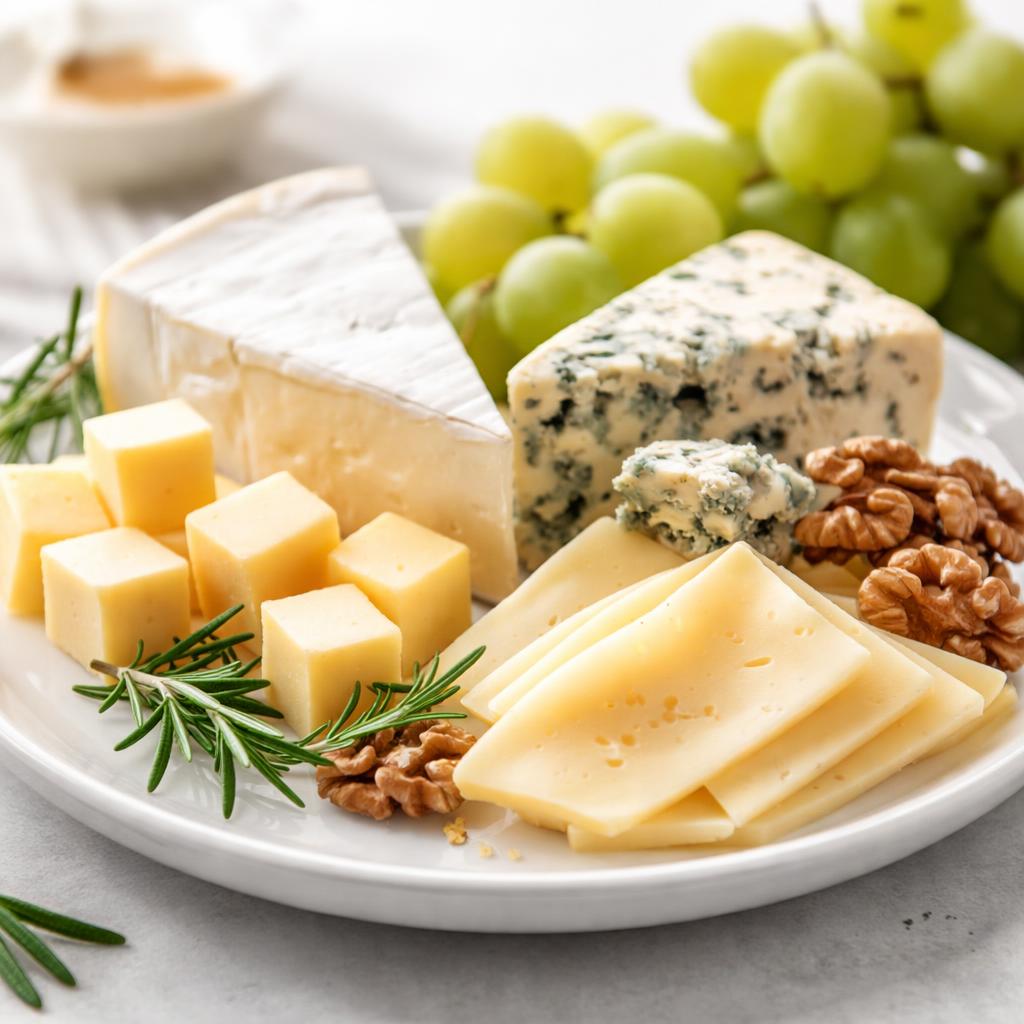
Cheese

Egg White
🎯 Quick Verdict
Egg whites are higher in protein and lower in calories, making them ideal for weight loss and lean muscle goals. Cheese, while more calorie-dense, provides valuable fats, calcium, and vitamin D, which make it better suited for people seeking sustenance or bone health support. Both are versatile in cooking but suit different dietary priorities.

Smart Nutrition Tracking with SnapCalorie

📊 Nutritional Comparison
Macronutrients
| Nutrient | Food 1 | Food 2 | Winner |
|---|---|---|---|
| Calories | 113 | 17 | ✓ |
| Protein | 7g | 3.6g | ✓ |
| Carbs | 0.9g | 0g | ✓ |
| Fat | 9g | 0g | ✓ |
| Fiber | 0g | 0g | − |
Vitamins & Minerals
| Nutrient | Food 1 | Food 2 | Winner |
|---|---|---|---|
| Vitamin D | 0.2mcg | 0mcg | ✓ |
| Calcium | 200mg | 2mg | ✓ |
| Iron | 0.2mg | 0.1mg | ✓ |
🏆 Category Winners
Protein
Egg whites deliver 1.8x more protein per calorie compared to cheese.
Fiber
Neither food is a significant source of fiber.
Calories
Egg whites provide significantly fewer calories (only 17 per serving).
🥗 Diet Compatibility
Keto
Food 1: Compatible
Food 2: Compatible
Both foods are low-carb and suitable for ketogenic diets.
Vegan
Food 1: Not Compatible
Food 2: Not Compatible
Both are animal-derived and therefore not vegan.
Gluten Free
Food 1: Compatible
Food 2: Compatible
Neither food contains gluten.
Paleo
Food 1: Partially Compatible
Food 2: Compatible
Egg whites align strictly with paleo diets, while cheese can be controversial due to dairy.
Low-Carb
Food 1: Compatible
Food 2: Compatible
Both have very low carbohydrate content (less than 1g per serving).
💪 Health Benefits Comparison
Food 1 Benefits
- Rich in calcium for stronger bones
- Provides healthy fats that support energy levels
- Contains small amounts of Vitamin D essential for immune and bone health
Food 2 Benefits
- High-quality protein for muscle repair and growth
- Low calorie option for weight management
- Virtually fat-free and suitable for cardiovascular health
✅ The Bottom Line
Cheese and egg whites cater to different nutritional needs. Choose cheese for its energy-dense fats, calcium, and versatility when trying to maintain or gain weight or prioritize bone health. Opt for egg whites if your goal is lean protein intake, weight loss, or cardiovascular health support.
Choose Food 1 for: Bone health, energy sustenance, keto diets
Choose Food 2 for: Weight loss, high-protein diets, heart health


