Cheese VS Croutons
A detailed nutritional comparison
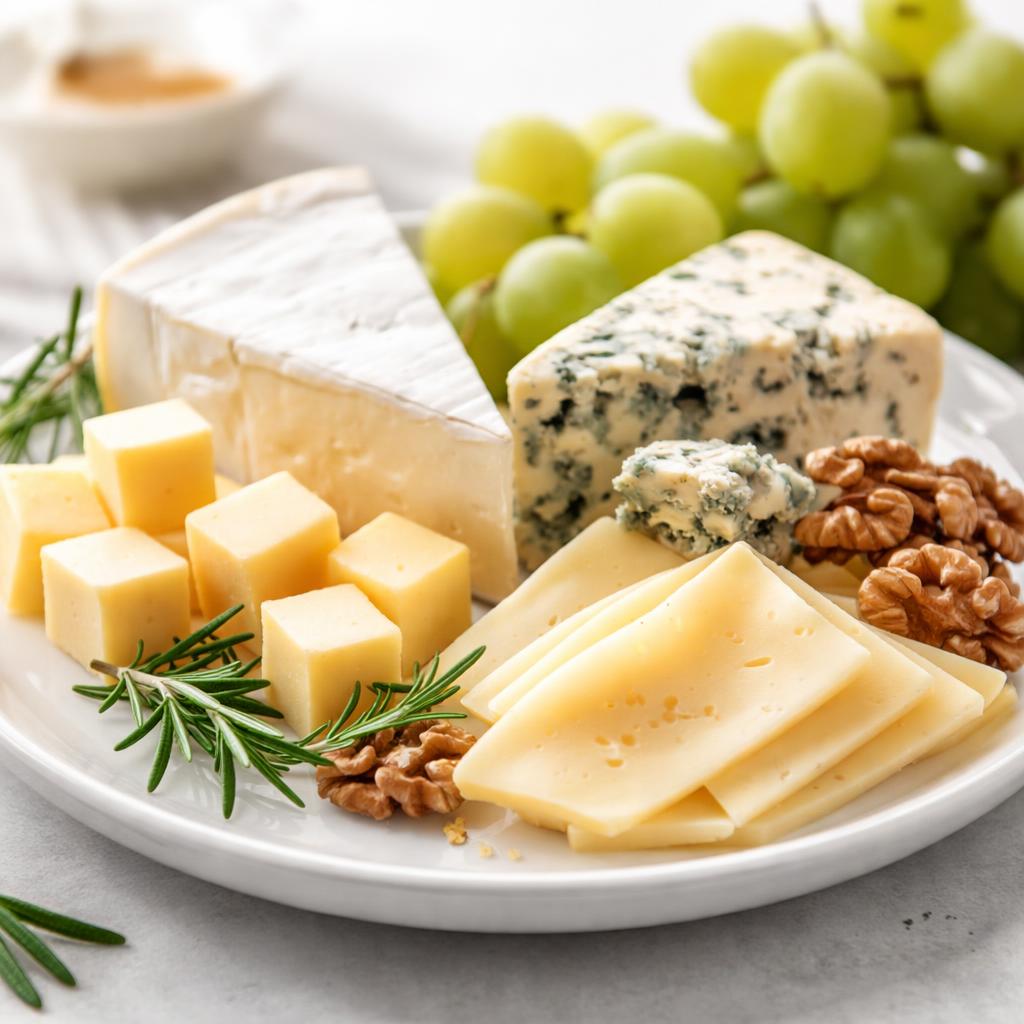
Cheese
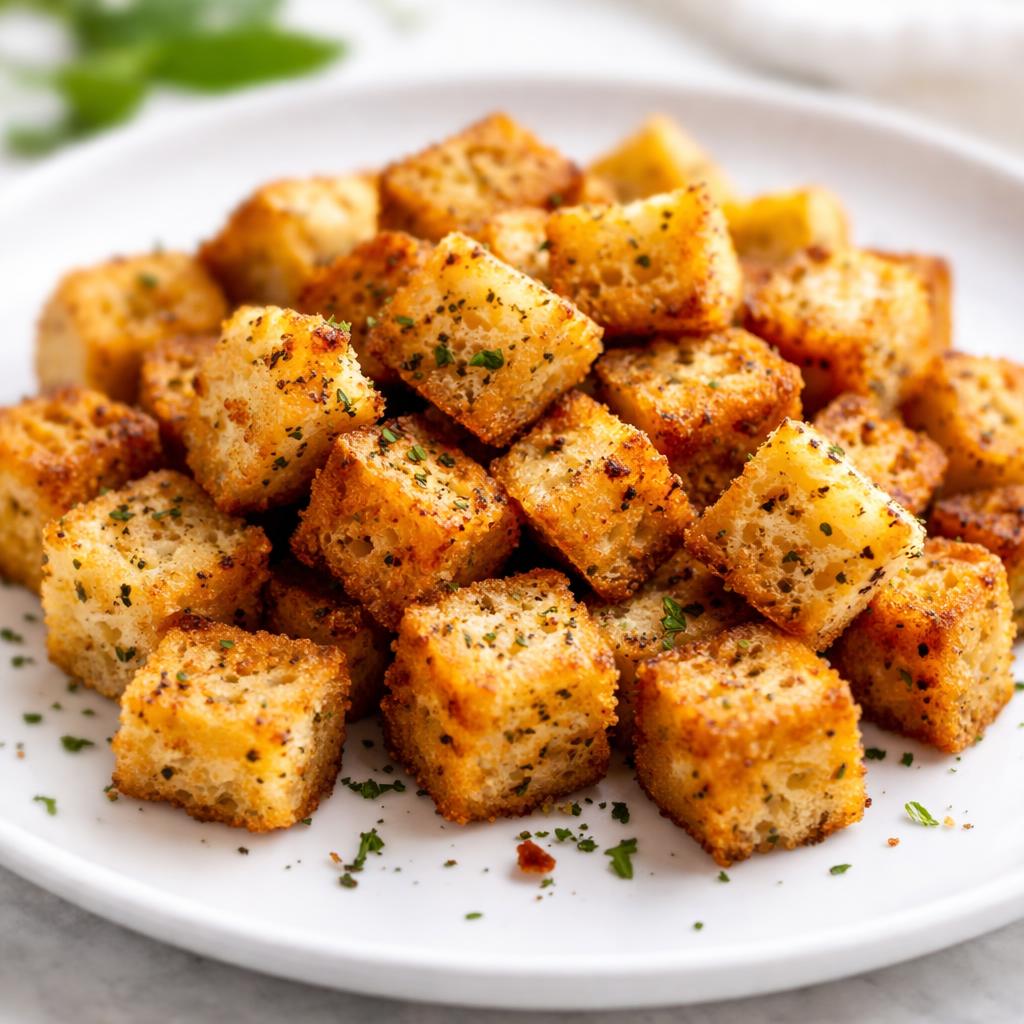
Croutons
🎯 Quick Verdict
Cheese is a nutrient-dense food, offering significantly higher protein and essential vitamins like calcium and vitamin D, while croutons shine as a fiber-rich, carbohydrate-dense option. Cheese is best for low-carb diets or high-protein needs, whereas croutons can add crunch and flavor to salads for a quick energy boost.

Smart Nutrition Tracking with SnapCalorie

📊 Nutritional Comparison
Macronutrients
| Nutrient | Food 1 | Food 2 | Winner |
|---|---|---|---|
| Calories | 110 | 140 | ✓ |
| Protein | 7g | 2g | ✓ |
| Carbs | 1g | 24g | ✓ |
| Fat | 9g | 3g | ✓ |
| Fiber | 0g | 1g | ✓ |
Vitamins & Minerals
| Nutrient | Food 1 | Food 2 | Winner |
|---|---|---|---|
| Vitamin D | 0.4mcg | 0mcg | ✓ |
| Calcium | 200mg | 3mg | ✓ |
| Iron | 0.1mg | 1mg | ✓ |
🏆 Category Winners
Protein
Cheese has 3.5x more protein per serving compared to croutons.
Fiber
Croutons are higher in fiber, providing 1g per serving compared to cheese’s 0g.
Calories
Cheese offers 30 fewer calories per serving than croutons.
🥗 Diet Compatibility
Keto
Food 1: Compatible
Food 2: Not Compatible
Cheese is low-carb (1g per serving), while croutons are carb-rich.
Vegan
Food 1: Not Compatible
Food 2: Compatible
Cheese contains dairy, but croutons are plant-based.
Gluten Free
Food 1: Compatible
Food 2: Not Compatible
Croutons contain gluten, while cheese is naturally gluten-free.
Paleo
Food 1: Compatible
Food 2: Not Compatible
Cheese can fit in certain paleo diets, but croutons contain processed grains, disqualifying them.
Low-Carb
Food 1: Compatible
Food 2: Not Compatible
Cheese has minimal carbs (1g), while croutons are high in carbs (24g).
💪 Health Benefits Comparison
Food 1 Benefits
- Rich in calcium for strong bones
- Good source of protein for muscle repair
- Contains vitamin D for immune health
- Provides healthy fats for satiety
Food 2 Benefits
- High in fiber for digestion and gut health
- Provides quick-release carbohydrates for energy
- Adds texture and flavor to meals
- Contains antioxidants depending on seasoning ingredients
✅ The Bottom Line
Cheese is a better choice for those seeking higher protein, lower carbs, and essential vitamins like calcium and vitamin D. Croutons work well as a convenient energy source and fiber booster, especially in salads. Choose cheese for low-carb, keto, or high-protein needs, and opt for croutons to enhance texture and provide quick carbs.
Choose Food 1 for: Low-carb diets, high-protein meals, bone health and vitamin D supplementation
Choose Food 2 for: Quick energy boost, enhancing salad texture, vegan diets


