Cheese VS Corn On The Cob
A detailed nutritional comparison
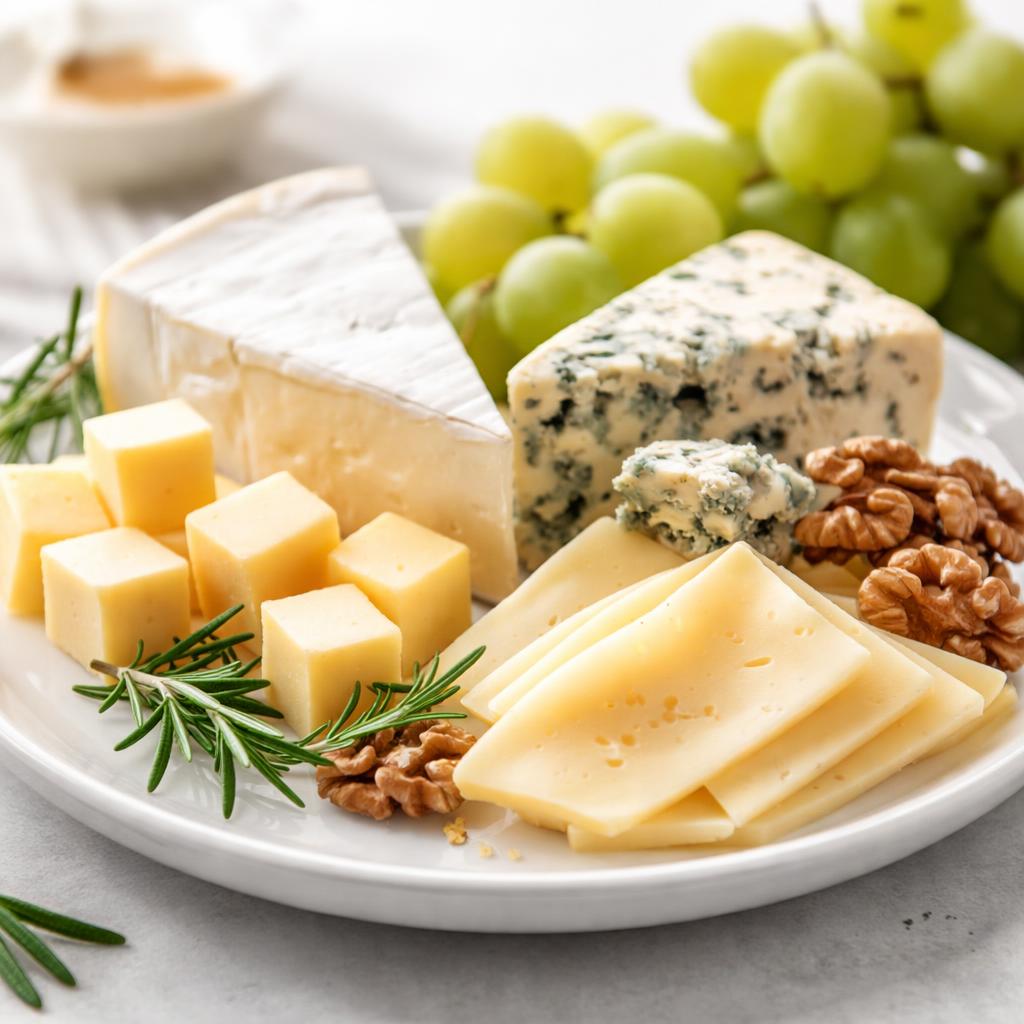
Cheese
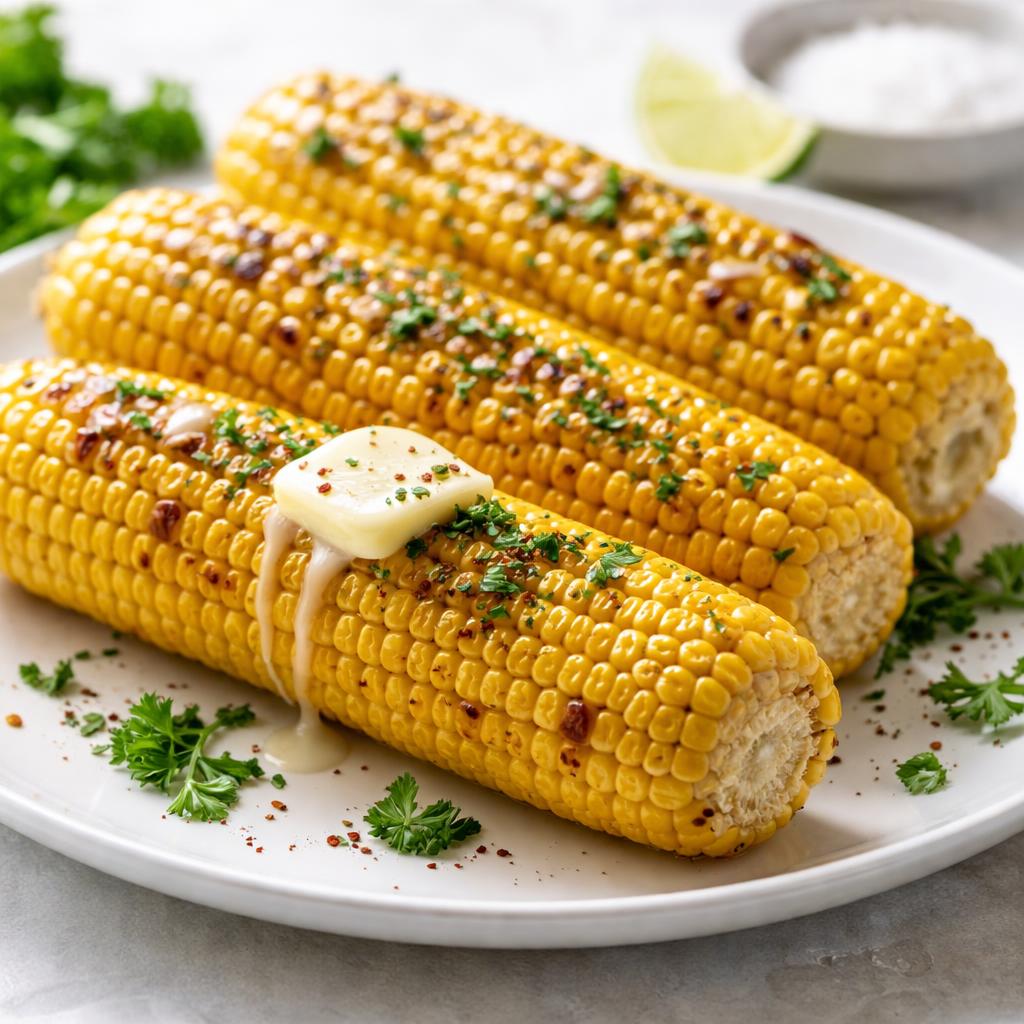
Corn On The Cob
🎯 Quick Verdict
Cheese is nutritionally denser, offering high protein, calcium, and fat content but is calorie-dense. Corn on the cob is lower in calories, higher in fiber, and provides more carbohydrates, making it ideal for sustained energy. Cheese is better for keto and high-protein diets, while corn is great for those seeking a light, fiber-rich side dish or energy boost.

Smart Nutrition Tracking with SnapCalorie

📊 Nutritional Comparison
Macronutrients
| Nutrient | Food 1 | Food 2 | Winner |
|---|---|---|---|
| Calories | 113 (per ounce) | 86 (per medium ear) | ✓ |
| Protein | 7g | 2g | ✓ |
| Carbs | 1g | 19g | ✓ |
| Fat | 9g | 1g | ✓ |
| Fiber | 0g | 2g | ✓ |
Vitamins & Minerals
| Nutrient | Food 1 | Food 2 | Winner |
|---|---|---|---|
| Vitamin D | 0.2mcg | 0mcg | ✓ |
| Calcium | 200mg | 3mg | ✓ |
| Iron | 0.2mg | 0.5mg | ✓ |
| Vitamin C | 0mg | 6.8mg | ✓ |
🏆 Category Winners
Protein
Cheese has more than triple the protein content of corn on the cob.
Fiber
Corn provides 2g of fiber per serving, while cheese contains none.
Calories
Corn has 24% fewer calories compared to cheese per serving.
Vitamins
Cheese is richer in calcium and vitamin D, while corn excels in vitamin C and iron.
🥗 Diet Compatibility
Keto
Food 1: Compatible
Food 2: Not Compatible
Cheese is low-carb and high-fat, while corn is high in carbs.
Vegan
Food 1: Not Compatible
Food 2: Compatible
Cheese is an animal product, whereas corn is plant-based.
Gluten Free
Food 1: Compatible
Food 2: Compatible
Neither food contains gluten.
Paleo
Food 1: Not Compatible
Food 2: Compatible
Corn fits paleo principles; cheese typically doesn't.
Low Carb
Food 1: Compatible
Food 2: Not Compatible
Cheese contains minimal carbs, while corn is high-carb.
💪 Health Benefits Comparison
Food 1 Benefits
- Rich in protein to support muscle repair and maintenance
- Excellent source of calcium for bone health
- Contains fats that can contribute to satiety
Food 2 Benefits
- High in fiber for digestive health
- Provides sustained energy with its carbohydrate content
- Rich in vitamin C for immune function and iron for oxygen transport
✅ The Bottom Line
Cheese is ideal for those seeking a high-protein, low-carb option, perfect for keto, low-carb, or muscle-building diets. Corn on the cob, on the other hand, is better for individuals looking for a lower-calorie, fiber-rich side dish with sustained energy. Choose cheese for weight loss and corn for a balanced and light meal addition.
Choose Food 1 for: Keto diet, high-protein plans, calcium-rich diets
Choose Food 2 for: Fiber-rich diets, sustained energy, plant-based nutrition


