Cheese VS Cooked Pasta
A detailed nutritional comparison
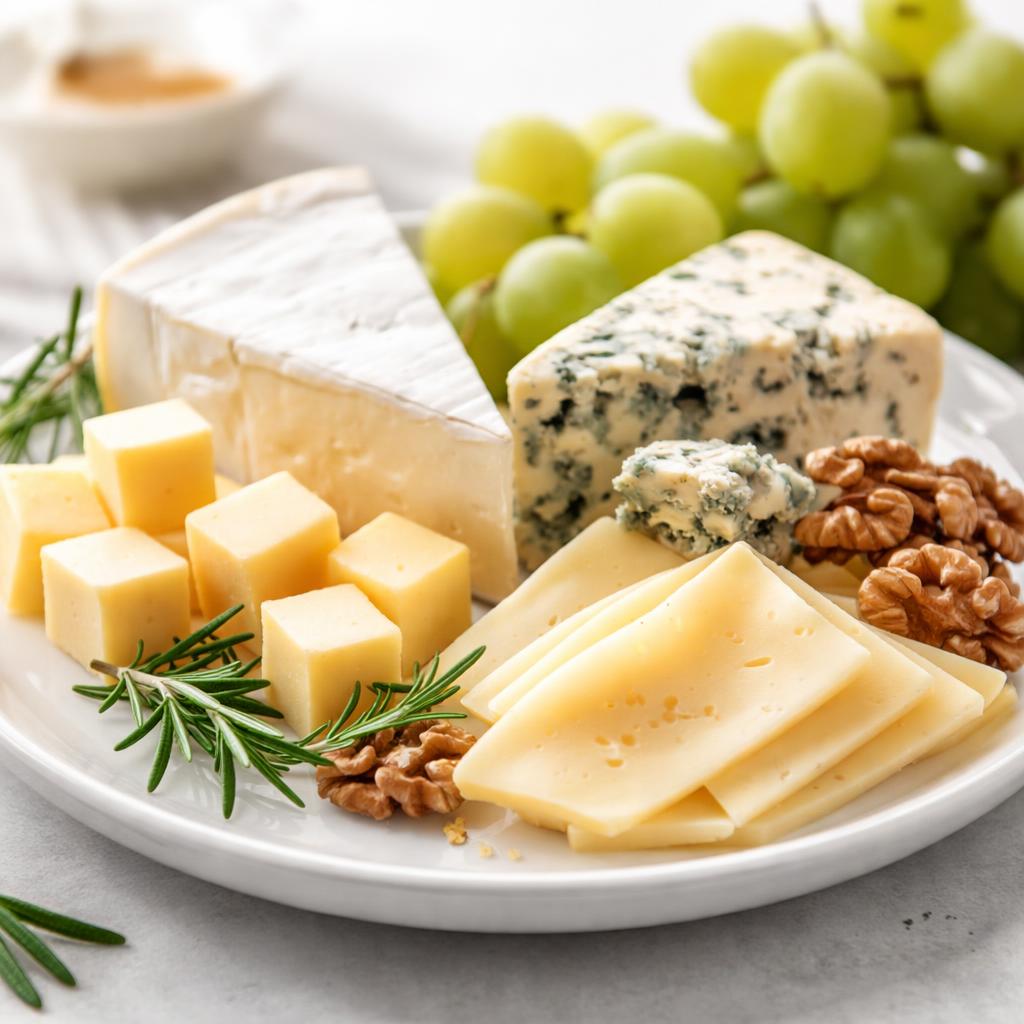
Cheese
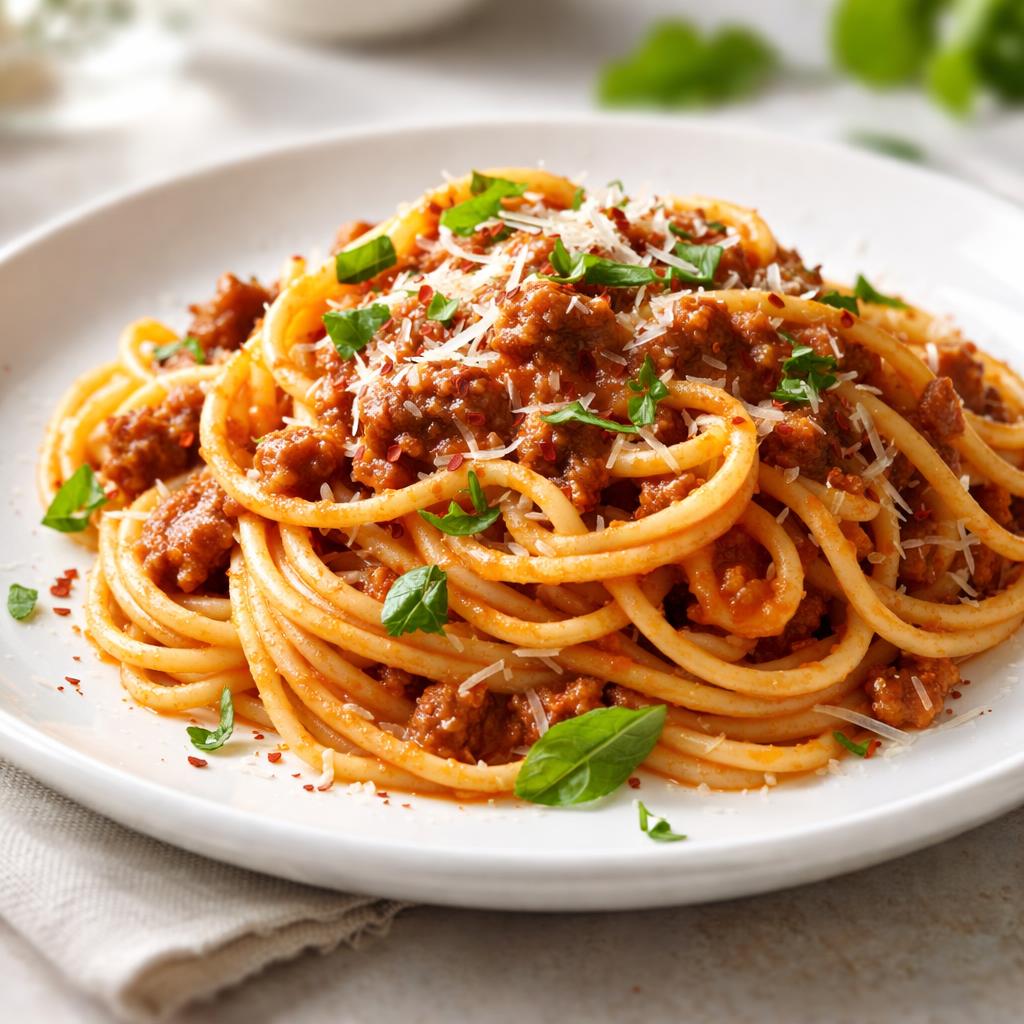
Cooked Pasta
🎯 Quick Verdict
Cheese is a protein-rich, high-fat food with fewer calories, making it better suited for low-carb or keto diets. Cooked pasta is higher in carbohydrates and fiber, offering sustained energy and better digestive benefits. Cheese is ideal for muscle maintenance whereas pasta is more suited for energy and endurance activities.

Smart Nutrition Tracking with SnapCalorie

📊 Nutritional Comparison
Macronutrients
| Nutrient | Food 1 | Food 2 | Winner |
|---|---|---|---|
| Calories | 115 (1 oz) | 200 (1 cup) | ✓ |
| Protein | 7g (1 oz) | 6g (1 cup) | ✓ |
| Carbs | 1g (1 oz) | 42g (1 cup) | ✓ |
| Fat | 9g (1 oz) | 1g (1 cup) | ✓ |
| Fiber | 0g (1 oz) | 2.5g (1 cup) | ✓ |
Vitamins & Minerals
| Nutrient | Food 1 | Food 2 | Winner |
|---|---|---|---|
| Calcium | 200mg (1 oz) | 8mg (1 cup) | ✓ |
| Vitamin D | 0.1mcg (1 oz) | 0mcg (1 cup) | ✓ |
| Iron | 0mg (1 oz) | 1.5mg (1 cup) | ✓ |
🏆 Category Winners
Protein
Cheese contains slightly more protein per serving compared to pasta.
Fiber
Cooked pasta provides 2.5g of fiber per cup while cheese has none.
Calories
Cheese has fewer calories per serving compared to pasta.
🥗 Diet Compatibility
Keto
Food 1: Compatible
Food 2: Not Compatible
Cheese is low-carb with only 1g of carbs per serving.
Vegan
Food 1: Not Compatible
Food 2: Compatible
Pasta is plant-based, but cheese is animal-based.
Gluten Free
Food 1: Compatible
Food 2: Not Compatible
Cheese does not contain gluten, whereas pasta typically does.
Paleo
Food 1: Not Compatible
Food 2: Not Compatible
Neither food complies with strict paleo guidelines.
Low-Carb
Food 1: Compatible
Food 2: Not Compatible
Cheese is very low in carbs while pasta is high-carb.
💪 Health Benefits Comparison
Food 1 Benefits
- Rich source of protein, supports muscle maintenance.
- Contains calcium for strong bones and teeth.
- Provides healthy fats for satiety and hormone production.
Food 2 Benefits
- Good source of energy from complex carbohydrates.
- Provides dietary fiber for digestive health.
- Contributes to iron intake, supporting oxygen transport in the body.
✅ The Bottom Line
Cheese is best for those following low-carb or high-fat diets like keto, or seeking a protein-rich snack. Cooked pasta, on the other hand, is an excellent choice for endurance activities or meals requiring sustained energy. Consider individual dietary needs when choosing between the two.
Choose Food 1 for: Low-carb diets, muscle building, keto-friendly snacks.
Choose Food 2 for: High-energy meals, pasta dishes, fiber-rich diets.


