Cheese VS Coffee
A detailed nutritional comparison
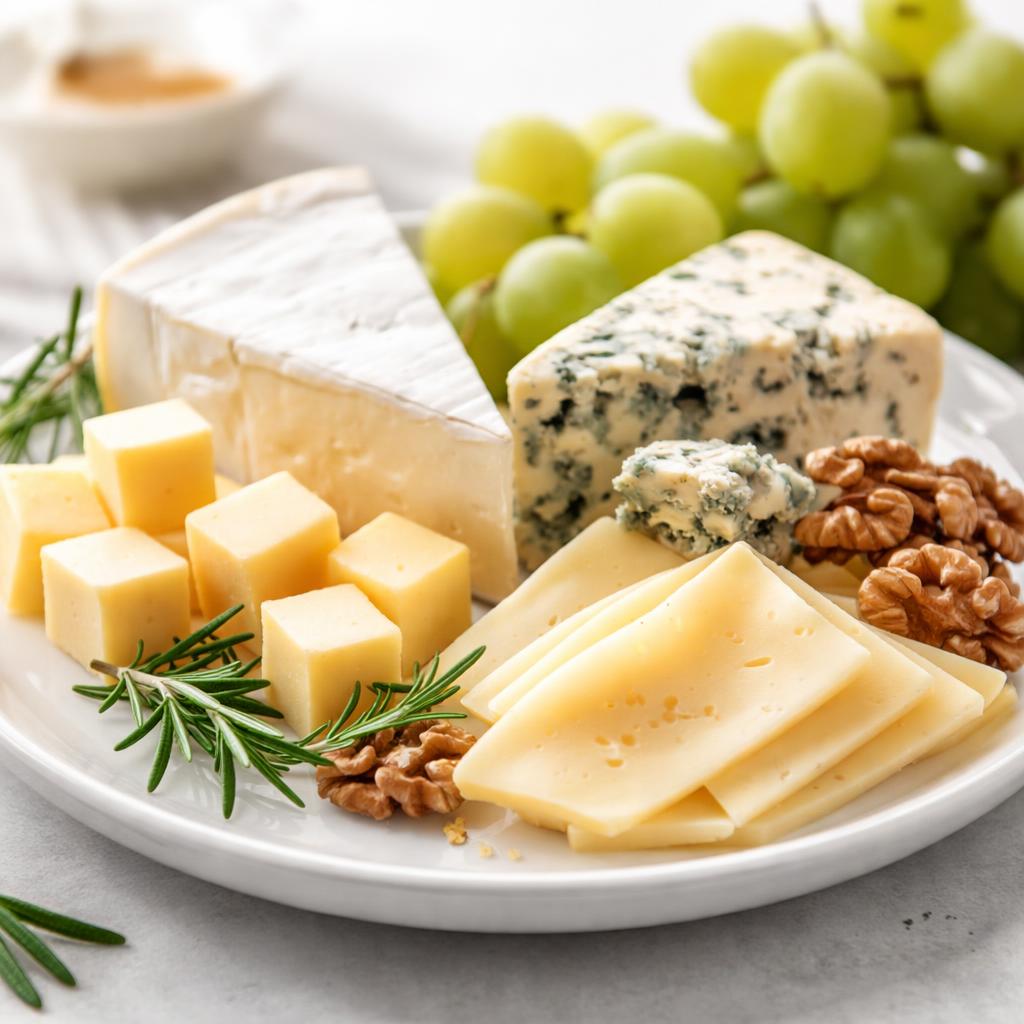
Cheese

Coffee
🎯 Quick Verdict
Cheese and coffee serve distinct purposes nutritionally. Cheese is rich in protein, calcium, and energy, while coffee is extremely low-calorie, free of macronutrients, and notable for its antioxidants. Cheese is ideal for those seeking satiety and muscle support, while coffee offers a caffeine boost for alertness and mental focus without impacting calorie intake significantly.

Smart Nutrition Tracking with SnapCalorie

📊 Nutritional Comparison
Macronutrients
| Nutrient | Food 1 | Food 2 | Winner |
|---|---|---|---|
| Calories | 120 (per 1 oz) | 2 (per 8 oz cup) | ✓ |
| Protein | 7g | 0g | ✓ |
| Carbs | 1g | 0g | ✓ |
| Fat | 10g | 0g | ✓ |
| Fiber | 0g | 0g | − |
Vitamins & Minerals
| Nutrient | Food 1 | Food 2 | Winner |
|---|---|---|---|
| Vitamin D | 0.2mcg | 0mcg | ✓ |
| Calcium | 200mg | 4mg | ✓ |
| Iron | 0.2mg | 0.05mg | ✓ |
🏆 Category Winners
Protein
Cheese contains 7g of protein per ounce, making it an excellent source compared to coffee's 0g.
Fiber
Neither cheese nor coffee contains significant fiber per serving.
Calories
Coffee has only 2 calories per cup, far fewer than cheese's 120 calories per ounce.
Vitamins
Cheese is richer in calcium and vitamin D compared to coffee's negligible vitamin content.
🥗 Diet Compatibility
Keto
Food 1: Compatible
Food 2: Compatible
Cheese is high-fat and low-carb, and coffee is essentially carb-free.
Vegan
Food 1: Not Compatible
Food 2: Compatible
Cheese is made from milk, while coffee is plant-based.
Gluten Free
Food 1: Compatible
Food 2: Compatible
Both foods are naturally gluten-free.
Paleo
Food 1: Not Compatible
Food 2: Compatible
Cheese is considered a processed dairy, which is excluded in strict paleo diets.
Low-Carb
Food 1: Compatible
Food 2: Compatible
Cheese is low-carb (1g per ounce), and coffee is carb-free.
💪 Health Benefits Comparison
Food 1 Benefits
- Great source of complete protein for muscle support
- Rich in calcium for bone health
- Contains healthy fats for sustained energy
Food 2 Benefits
- Contains antioxidants that protect against cell damage
- Boosts mental alertness and reduces fatigue due to caffeine
- Low-calorie and ideal for weight management
✅ The Bottom Line
Cheese provides a nutritious, protein-rich option for hunger management and bone health, whereas coffee serves as a low-calorie beverage for energy and alertness. Choose cheese for satiety and nutrition, and coffee for a guilt-free caffeine boost.
Choose Food 1 for: Snack for satiety, high-protein diets, muscle-building
Choose Food 2 for: Calorie-conscious diets, caffeine boost, mental focus


