Cheese VS Chocolate Cake
A detailed nutritional comparison
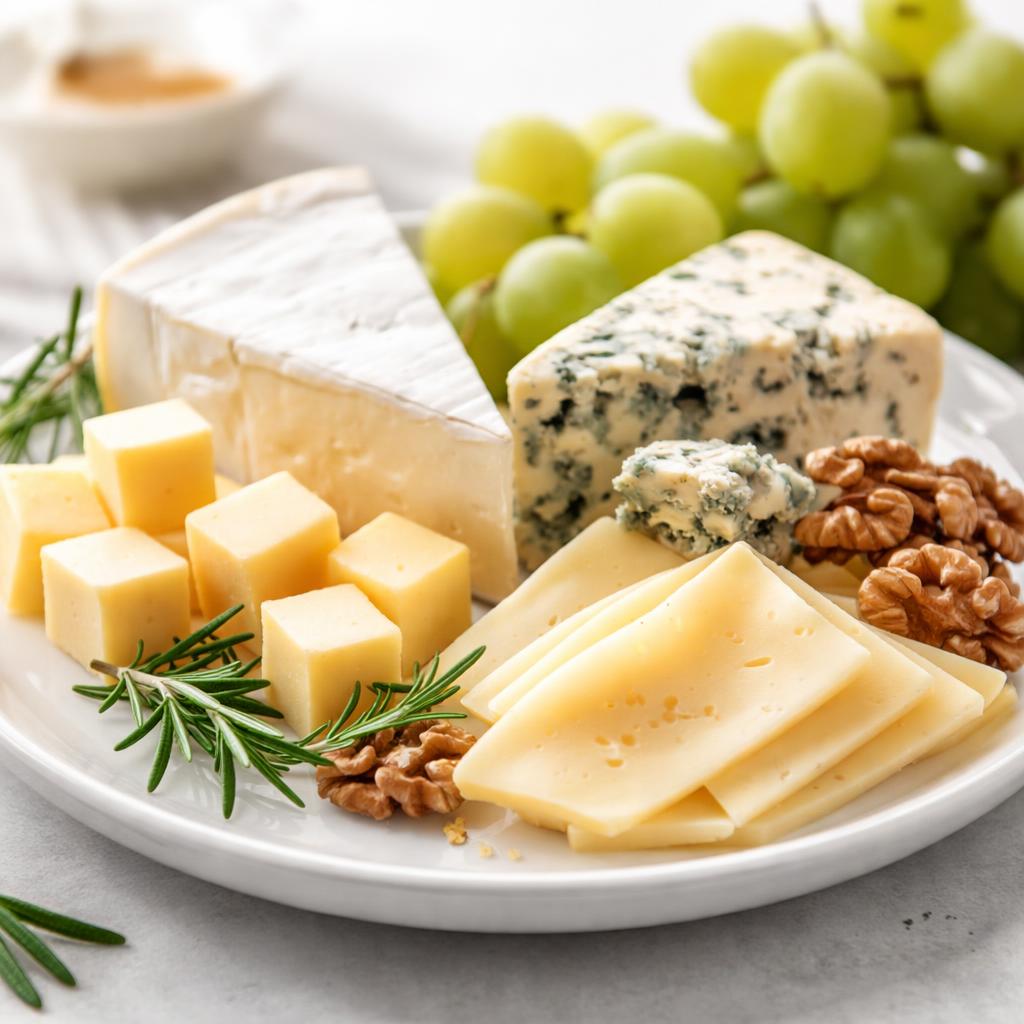
Cheese
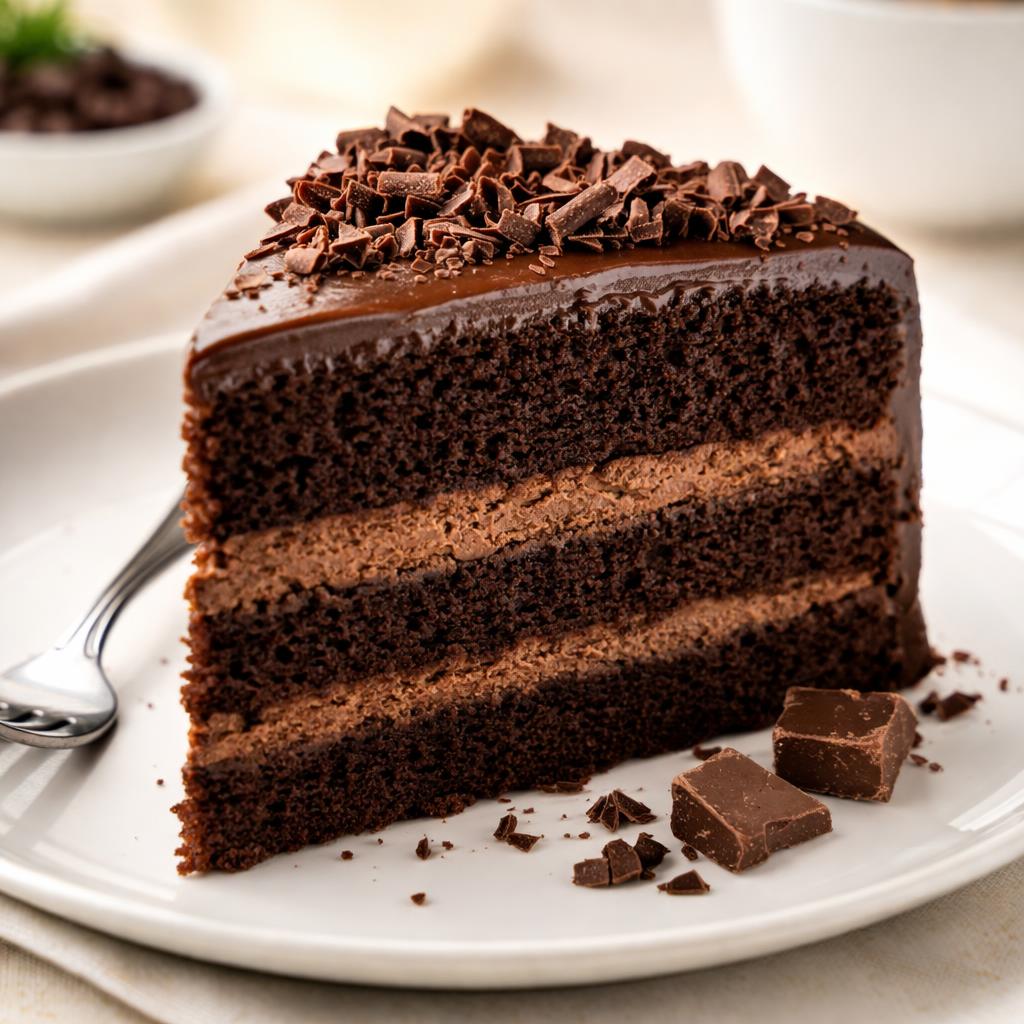
Chocolate Cake
🎯 Quick Verdict
Cheese is rich in protein, calcium, and is lower in calories, making it ideal for muscle maintenance or weight management. Chocolate cake, on the other hand, is higher in fiber, carbohydrates, and provides more energy, making it better suited for quick bursts of energy or indulgent treats in moderation. Choose based on your dietary goals and activity level.

Smart Nutrition Tracking with SnapCalorie

📊 Nutritional Comparison
Macronutrients
| Nutrient | Food 1 | Food 2 | Winner |
|---|---|---|---|
| Calories | 113 per ounce | 235 per slice (1/12 cake) | ✓ |
| Protein | 7g per ounce | 3g per slice | ✓ |
| Carbs | 1g per ounce | 35g per slice | ✓ |
| Fat | 9g per ounce | 10g per slice | ✓ |
| Fiber | 0g per ounce | 2g per slice | ✓ |
Vitamins & Minerals
| Nutrient | Food 1 | Food 2 | Winner |
|---|---|---|---|
| Vitamin D | 0.2mcg per ounce | 0mcg per slice | ✓ |
| Calcium | 200mg per ounce | 40mg per slice | ✓ |
| Iron | 0.2mg per ounce | 1mg per slice | ✓ |
🏆 Category Winners
Protein
Cheese has over double the protein content compared to chocolate cake, which supports muscle maintenance.
Fiber
Chocolate cake contains 2g of fiber per slice, while cheese contains none.
Calories
Cheese is significantly lower in calories per serving compared to chocolate cake.
Vitamins
Cheese contains notably higher levels of calcium and vitamin D, beneficial for bone health.
🥗 Diet Compatibility
Keto
Food 1: Compatible
Food 2: Not Compatible
Cheese is low-carb (1g per ounce), while chocolate cake is high-carb.
Vegan
Food 1: Not Compatible
Food 2: Not Compatible
Neither cheese nor chocolate cake is plant-based.
Gluten Free
Food 1: Compatible
Food 2: Not Compatible
Cheese is naturally gluten-free, but chocolate cake typically contains wheat flour.
Paleo
Food 1: Not Compatible
Food 2: Not Compatible
Both foods are processed and do not fit the paleo guidelines.
Low-Carb
Food 1: Compatible
Food 2: Not Compatible
Cheese fits low-carb diets, while chocolate cake is high in carbohydrates (35g per slice).
💪 Health Benefits Comparison
Food 1 Benefits
- High protein content supports muscle growth and repair.
- Rich in calcium for bone health.
- Provides vitamin D, aiding in calcium absorption.
Food 2 Benefits
- Contains fiber for improved digestion.
- Offers iron, supporting red blood cell formation.
- Provides quick bursts of energy due to its carb content, great for physical activity recovery.
✅ The Bottom Line
Cheese is better suited for low-carb, high-protein diets and those needing calcium and vitamin D for bone health. Chocolate cake is ideal for indulgent treats or individuals needing a quick energy boost from carbohydrates. Moderation is key for both options.
Choose Food 1 for: Low-carb diets, weight management, bone health support.
Choose Food 2 for: Energy boosts, sweet cravings, occasional treats.


