Cheese VS Chili
A detailed nutritional comparison
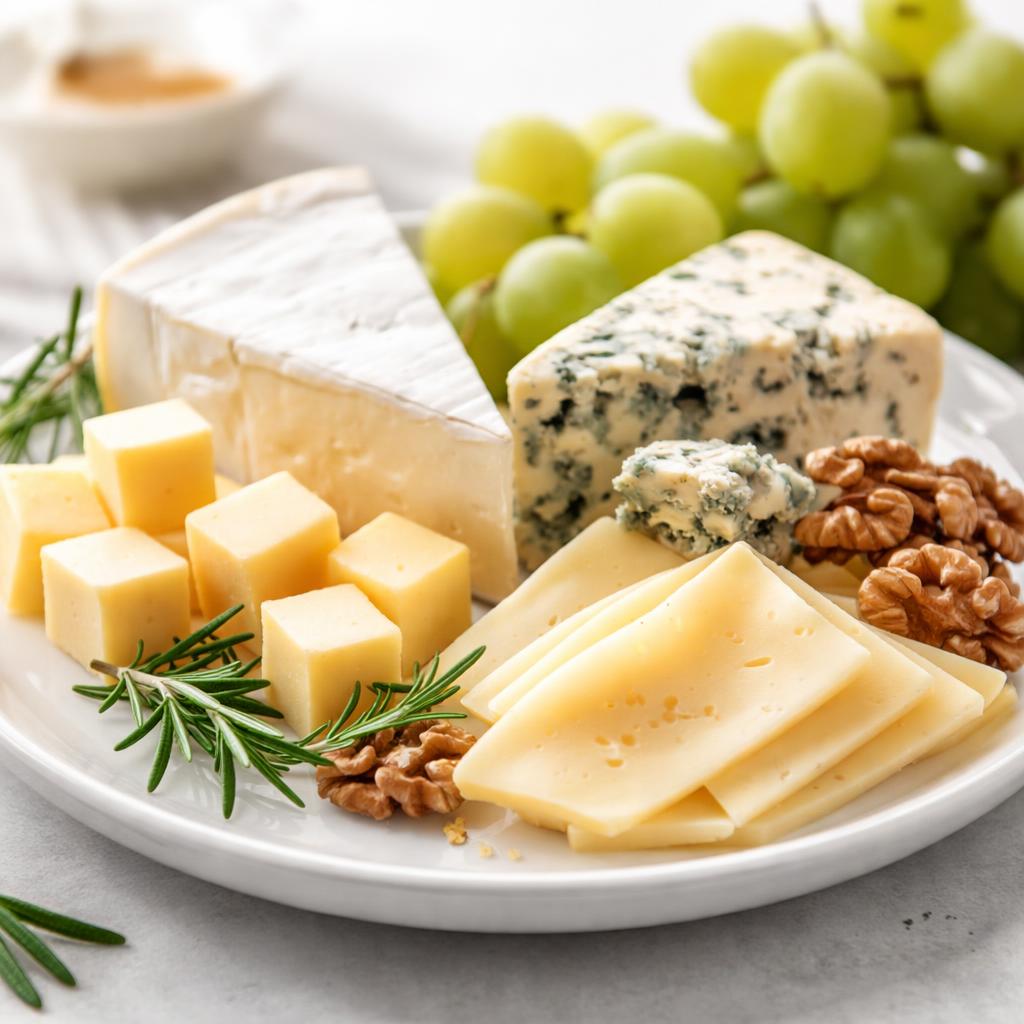
Cheese
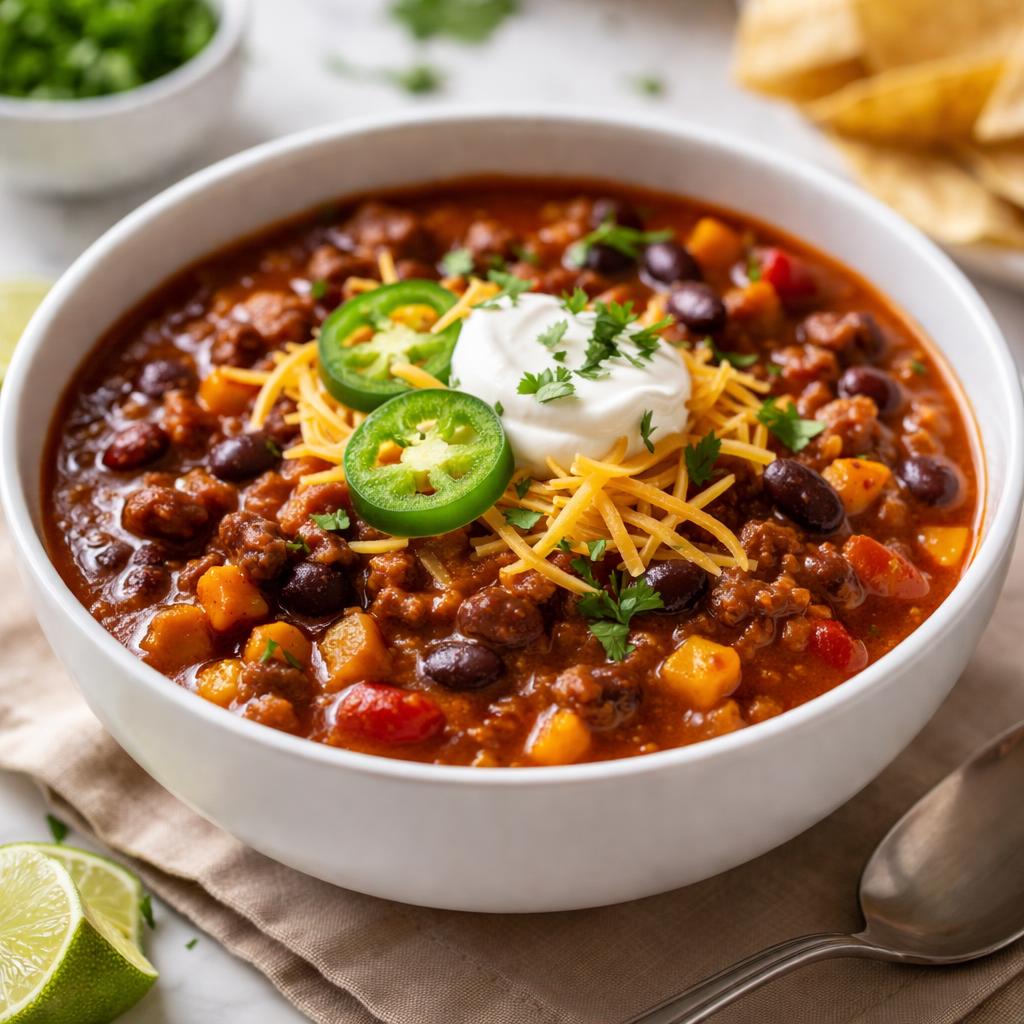
Chili
🎯 Quick Verdict
Cheese and chili offer different nutritional benefits. Cheese is high in protein and fats, making it suitable for low-carb diets, while chili is lower in fat and rich in fiber and vitamins, ideal for nutrient-dense meals. Choose cheese for strength and muscle gains, and chili for heart health and digestion support.

Smart Nutrition Tracking with SnapCalorie

📊 Nutritional Comparison
Macronutrients
| Nutrient | Food 1 | Food 2 | Winner |
|---|---|---|---|
| Calories | 113 calories (per 1 oz) | 157 calories (per 1 cup cooked) | ✓ |
| Protein | 7g | 5g | ✓ |
| Carbs | 0.4g | 21g | ✓ |
| Fat | 9g | 3g | ✓ |
| Fiber | 0g | 6g | ✓ |
Vitamins & Minerals
| Nutrient | Food 1 | Food 2 | Winner |
|---|---|---|---|
| Vitamin A | 281 IU | 772 IU | ✓ |
| Vitamin C | 0mg | 9mg | ✓ |
| Calcium | 200mg | 82mg | ✓ |
| Iron | 0.2mg | 2.2mg | ✓ |
🏆 Category Winners
Protein
Cheese has 40% more protein per serving, ideal for muscle maintenance.
Fiber
Chili offers fiber (6g per serving), essential for digestion.
Calories
Cheese has fewer calories per serving, making it lighter.
🥗 Diet Compatibility
Keto
Food 1: Compatible
Food 2: Not Compatible
Cheese is low in carbs, ideal for keto.
Vegan
Food 1: Not Compatible
Food 2: Compatible
Cheese is animal-based; chili can be vegan-friendly.
Gluten Free
Food 1: Compatible
Food 2: Compatible
Neither food typically contains gluten.
Paleo
Food 1: Not Compatible
Food 2: Compatible
Cheese is not compliant with paleo diet guidelines, while chili is, if made with paleo-friendly ingredients.
Low Carb
Food 1: Compatible
Food 2: Not Compatible
Cheese has minimal carbs, suitable for low-carb diets.
💪 Health Benefits Comparison
Food 1 Benefits
- High in protein for muscle growth
- Rich in calcium for bone health
- Provides healthy fats for sustained energy
Food 2 Benefits
- Rich in fiber for digestive health
- Contains antioxidants like Vitamin C and Vitamin A for immune support
- Low in fat to help with heart health
✅ The Bottom Line
Choose cheese if you are focused on a low-carb, high-protein diet or need quick energy from fats. Pick chili for nutrient density, digestion support, and heart health, especially if looking for a lighter, plant-based meal option.
Choose Food 1 for: Low-carb diets, muscle building, post-workout snacks
Choose Food 2 for: Heart health, fiber intake, nutrient-rich plant-based meals


