Cheese VS Chicken Breast
A detailed nutritional comparison
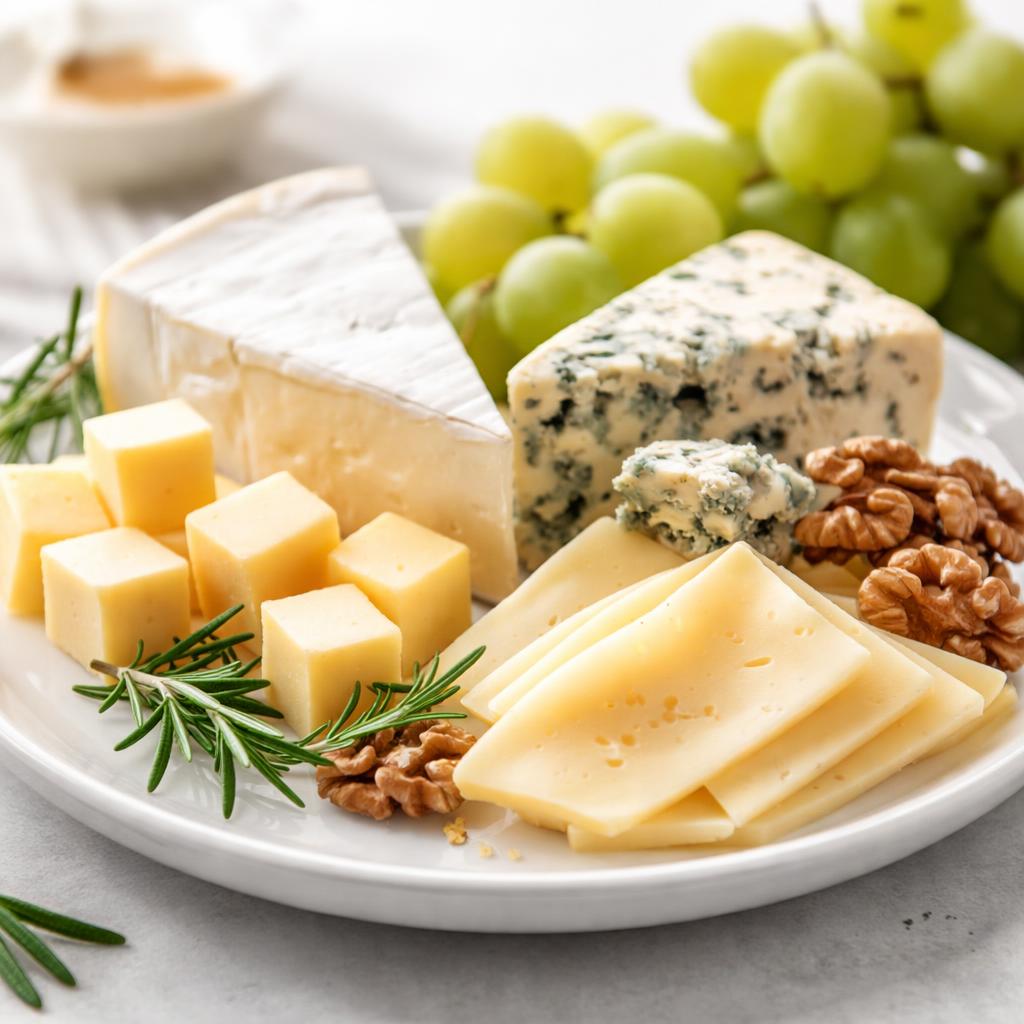
Cheese
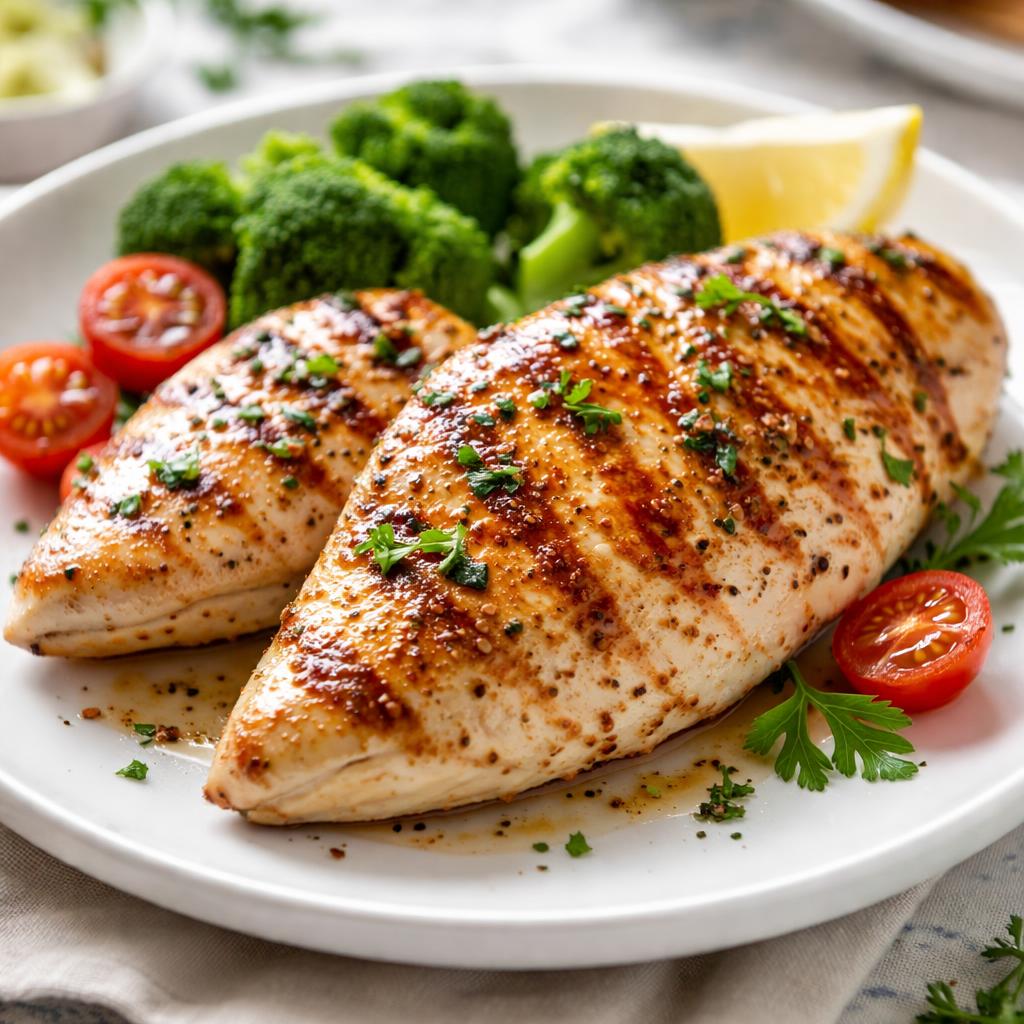
Chicken Breast
🎯 Quick Verdict
Chicken breast is the winner for high protein and fewer calories, making it ideal for lean diets and muscle building. Cheese, while also nutritious, is higher in fat and calories, making it better suited for energy-dense or keto diets. Both lack fiber but offer beneficial vitamins and minerals in different quantities.

Smart Nutrition Tracking with SnapCalorie

📊 Nutritional Comparison
Macronutrients
| Nutrient | Food 1 | Food 2 | Winner |
|---|---|---|---|
| Calories | 402 per 100g | 165 per 100g | ✓ |
| Protein | 25g per 100g | 31g per 100g | ✓ |
| Carbs | 1g per 100g | 0g per 100g | ✓ |
| Fat | 33g per 100g | 3.6g per 100g | ✓ |
| Fiber | 0g per 100g | 0g per 100g | − |
Vitamins & Minerals
| Nutrient | Food 1 | Food 2 | Winner |
|---|---|---|---|
| Vitamin D | 0.6mcg per 100g | 0mcg per 100g | ✓ |
| Calcium | 720mg per 100g | 13mg per 100g | ✓ |
| Iron | 0.2mg per 100g | 0.7mg per 100g | ✓ |
🏆 Category Winners
Protein
Chicken breast has 24% more protein compared to cheese.
Fiber
Neither food contains fiber.
Calories
Chicken breast has 59% fewer calories than cheese.
Vitamins
Cheese has higher Vitamin D and is an exceptional source of calcium.
🥗 Diet Compatibility
Keto
Food 1: Compatible
Food 2: Compatible
Both foods are low-carb and high-fat/protein-friendly.
Vegan
Food 1: Not Compatible
Food 2: Not Compatible
Both foods are animal-based.
Gluten Free
Food 1: Compatible
Food 2: Compatible
Neither food contains gluten.
Paleo
Food 1: Not Compatible
Food 2: Compatible
Cheese is not paleo-friendly, while chicken breast is.
Low-Carb
Food 1: Compatible
Food 2: Compatible
Both are extremely low in carbs.
💪 Health Benefits Comparison
Food 1 Benefits
- Excellent source of calcium for bone health
- Provides Vitamin D for immune and bone support
- Energy-dense, suitable for keto or high-fat diets
- Rich in healthy fats for sustained energy
Food 2 Benefits
- High in protein for muscle repair and growth
- Low in calories, great for weight loss
- Good source of iron for proper oxygen transport in the body
- Very low-fat, aiding heart health and lean diets
✅ The Bottom Line
Chicken breast is the clear winner for those prioritizing high protein and low calories, ideal for fitness goals or weight management. Cheese, while calorie-dense, offers valuable calcium and fat for those on keto or higher energy diets. Both are highly versatile depending on dietary needs.
Choose Food 1 for: Keto diets, energy-dense meals, bone health
Choose Food 2 for: Weight management, muscle building, lean eating plans


