Cheese VS Cashew Nuts
A detailed nutritional comparison
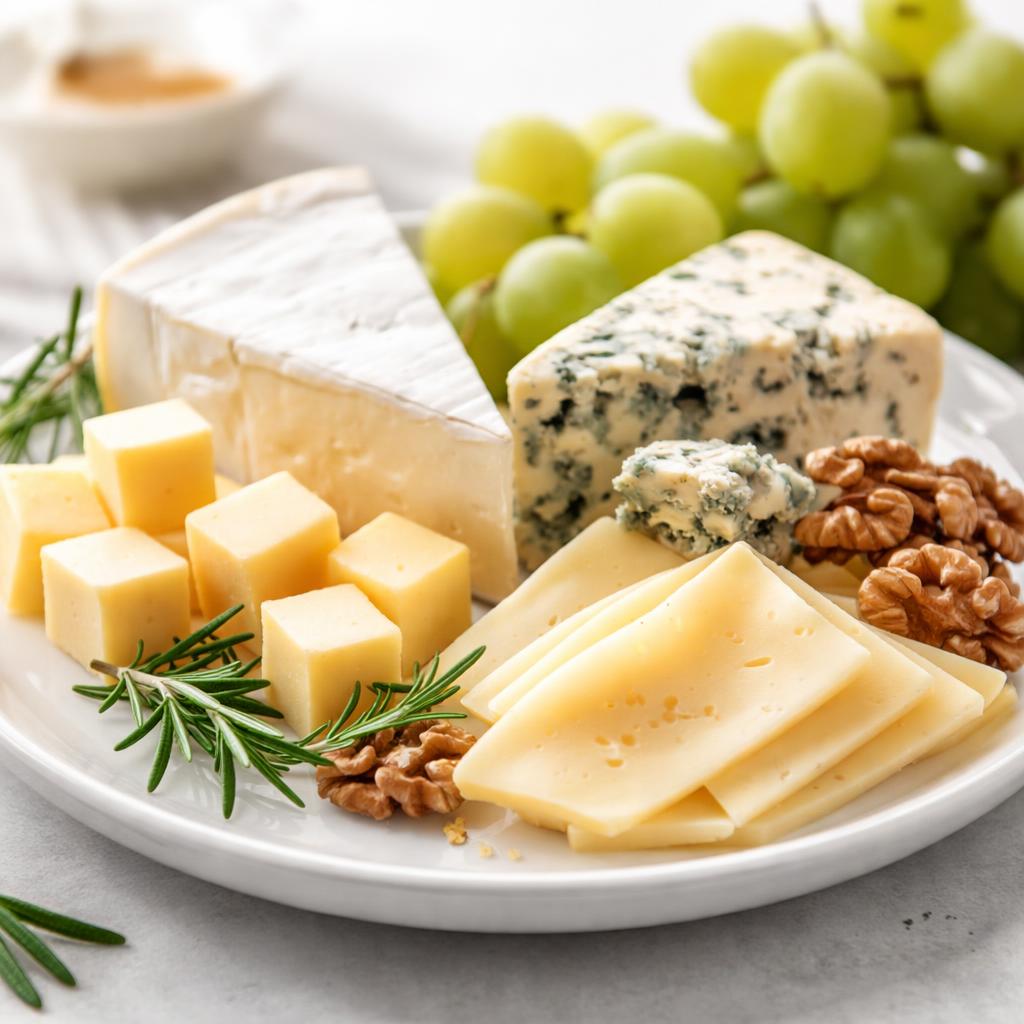
Cheese
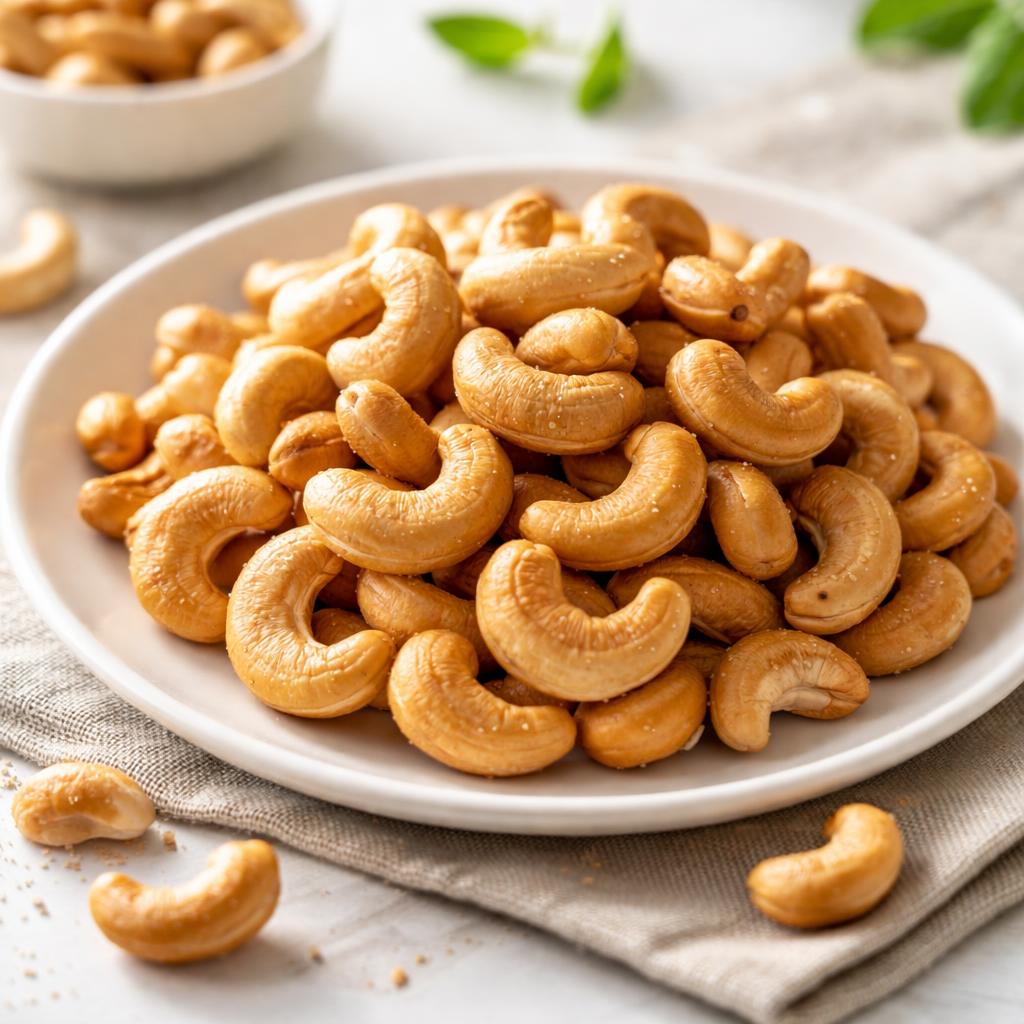
Cashew Nuts
🎯 Quick Verdict
Cheese is higher in protein and lower in calories, making it a better choice for muscle maintenance and weight loss goals. Cashew nuts are richer in fiber, healthy fats, and certain vitamins, providing heart health and sustained energy. Both have unique strengths depending on dietary needs.

Smart Nutrition Tracking with SnapCalorie

📊 Nutritional Comparison
Macronutrients
| Nutrient | Food 1 | Food 2 | Winner |
|---|---|---|---|
| Calories | 113 | 157 | ✓ |
| Protein | 7g | 5g | ✓ |
| Carbs | 1g | 9g | ✓ |
| Fat | 9g | 12g | ✓ |
| Fiber | 0g | 1g | ✓ |
Vitamins & Minerals
| Nutrient | Food 1 | Food 2 | Winner |
|---|---|---|---|
| Vitamin D | 0.2mcg | 0mcg | ✓ |
| Calcium | 200mg | 10mg | ✓ |
| Iron | 0.2mg | 1.7mg | ✓ |
| Vitamin E | 0.2mg | 2mg | ✓ |
🏆 Category Winners
Protein
Cheese has 40% more protein per serving compared to cashew nuts.
Fiber
Cashew nuts contain fiber, while cheese has none.
Calories
Cheese is lower in calories by approximately 30% per serving.
Vitamins
Cashew nuts are a better source of iron and vitamin E.
🥗 Diet Compatibility
Keto
Food 1: Compatible
Food 2: Compatible
Both are low-carb and high-fat options.
Vegan
Food 1: Not Compatible
Food 2: Compatible
Cheese is derived from animal milk, while cashews are plant-based.
Gluten Free
Food 1: Compatible
Food 2: Compatible
Neither contains gluten ingredients.
Paleo
Food 1: Not Compatible
Food 2: Compatible
Cheese is not permitted on strict paleo diets, while cashews are.
Low Carb
Food 1: Compatible
Food 2: Compatible
Both foods are relatively low in carbohydrates per serving.
💪 Health Benefits Comparison
Food 1 Benefits
- Great source of protein for muscle building and maintenance
- Rich in calcium for bone health
- Contains small amounts of vitamin D for immune and skeletal support
Food 2 Benefits
- Provides healthy unsaturated fats for heart health
- Good source of magnesium and iron for energy metabolism
- Contains antioxidants like vitamin E to reduce oxidative stress
✅ The Bottom Line
Cheese is a great choice for those looking to increase protein intake while limiting calories, making it ideal for weight loss or post-workout recovery. Cashew nuts shine for their fiber, healthy fats, and micronutrient content, making them an excellent snack for energy and heart health. Choose based on your primary nutritional goals.
Choose Food 1 for: Muscle building, weight loss, high-protein diets
Choose Food 2 for: Heart health, snacking, nutrient density


