Cheese VS Carnitas
A detailed nutritional comparison
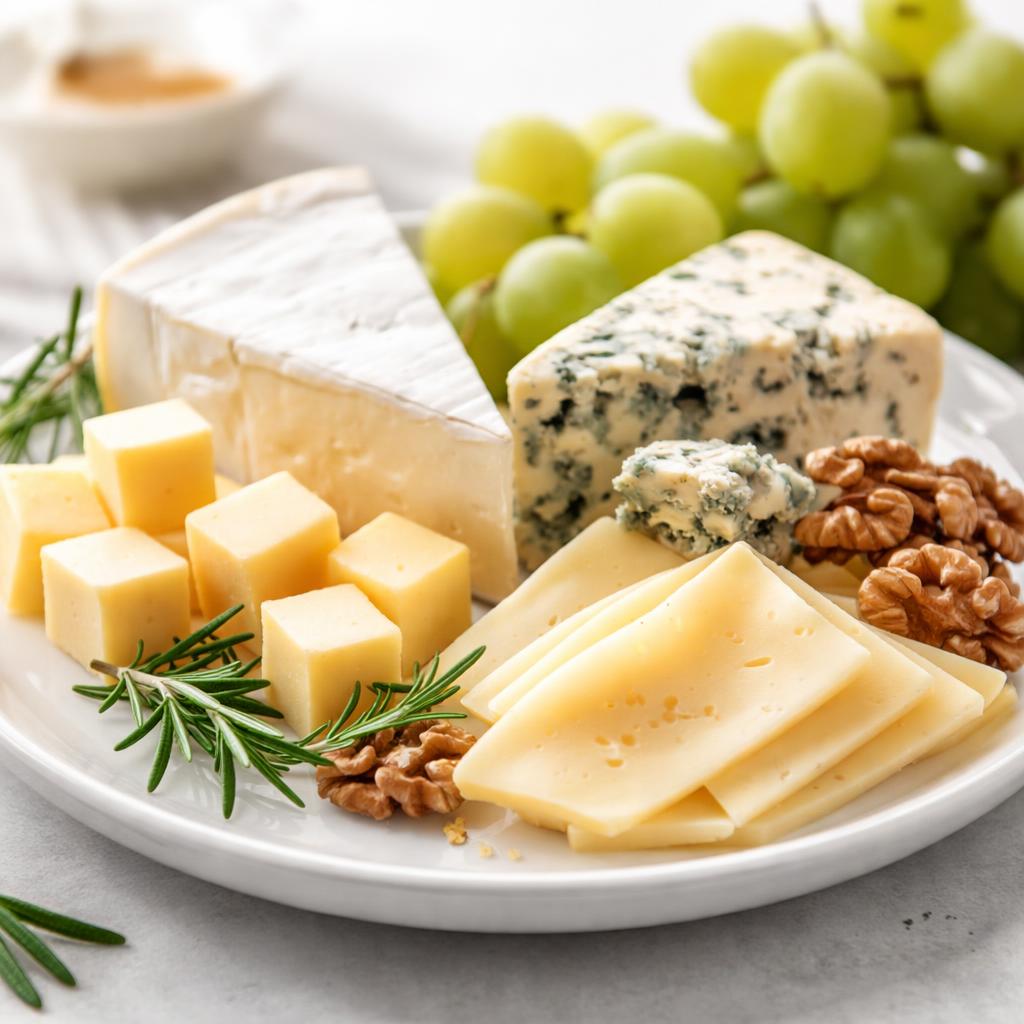
Cheese
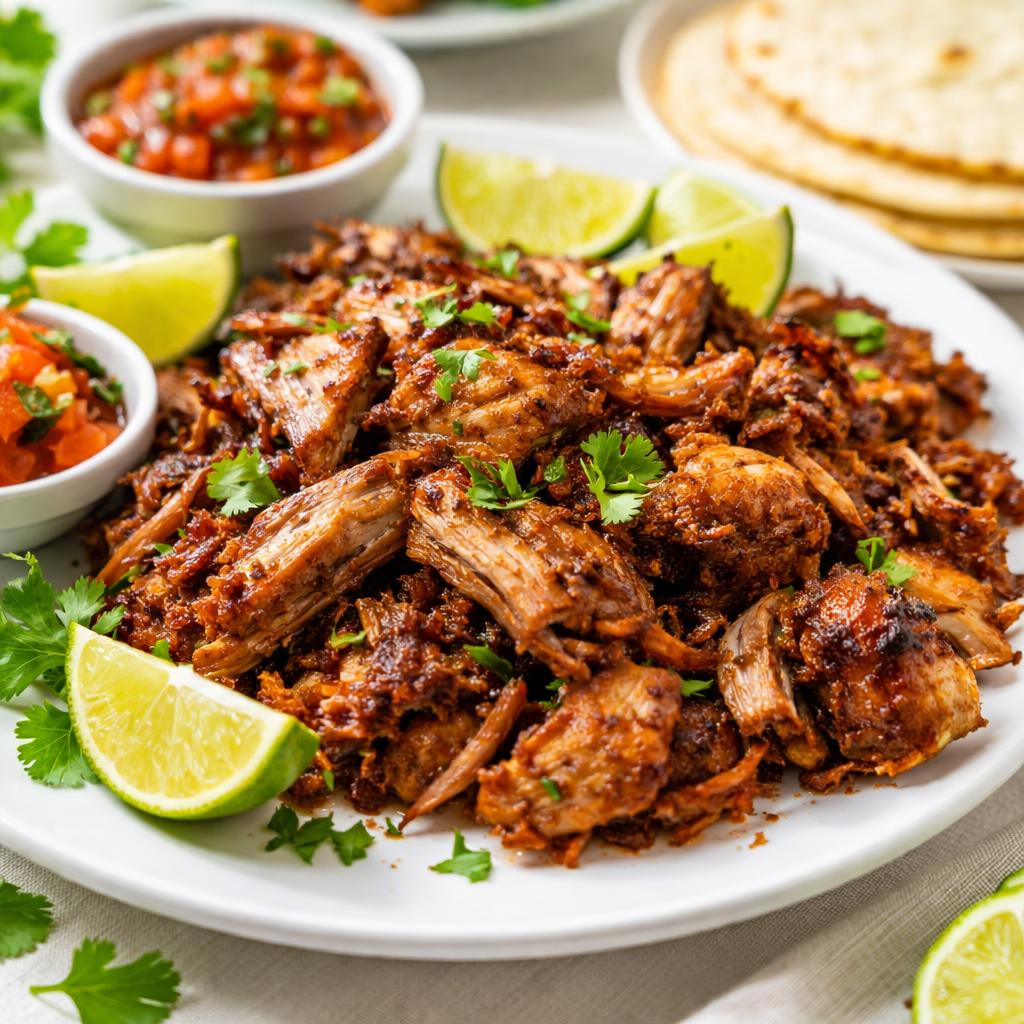
Carnitas
🎯 Quick Verdict
Cheese and carnitas differ significantly in their nutritional profiles. Cheese is higher in fat and calories but also provides calcium and vitamin D, making it nutrient-dense for those seeking bone health support. Carnitas, meanwhile, are higher in protein and generally less calorie-dense per serving, making them excellent for muscle-building diets or balanced meals. Each has strengths depending on your dietary goals.

Smart Nutrition Tracking with SnapCalorie

📊 Nutritional Comparison
Macronutrients
| Nutrient | Food 1 | Food 2 | Winner |
|---|---|---|---|
| Calories | 113 | 206 | ✓ |
| Protein | 7g | 18g | ✓ |
| Carbs | 1g | 0g | ✓ |
| Fat | 9g | 14g | ✓ |
| Fiber | 0g | 0g | − |
Vitamins & Minerals
| Nutrient | Food 1 | Food 2 | Winner |
|---|---|---|---|
| Vitamin D | 0.2mcg | 0mcg | ✓ |
| Calcium | 200mg | 30mg | ✓ |
| Iron | 0mg | 2mg | ✓ |
🏆 Category Winners
Protein
Carnitas provide 18g protein per serving, over twice the amount in cheese (7g).
Fiber
Both cheese and carnitas contain 0g of fiber.
Calories
Cheese is lower in calories (113 vs 206 per serving).
🥗 Diet Compatibility
Keto
Food 1: Compatible
Food 2: Compatible
Both are low-carb and fit well within ketogenic diets.
Vegan
Food 1: Not Compatible
Food 2: Not Compatible
Neither food is suitable for vegans.
Gluten Free
Food 1: Compatible
Food 2: Compatible
Neither contains gluten.
Paleo
Food 1: Not Compatible
Food 2: Compatible
Cheese is not typically allowed on paleo diets, while carnitas are compliant.
Low Carb
Food 1: Compatible
Food 2: Compatible
Both foods are low in carbohydrates with 1g and 0g respectively.
💪 Health Benefits Comparison
Food 1 Benefits
- Rich in calcium, supporting bone health
- Contains vitamin D for immune and bone health
- Provides healthy fats for energy
Food 2 Benefits
- Higher protein content supports muscle growth and repair
- Good source of iron for improved oxygen transport
- Contains healthy fats for sustained energy
✅ The Bottom Line
Cheese and carnitas serve different purposes in dietary planning. Choose cheese if you're looking for calcium, vitamin D, and a quick energy source, especially for snacking or light meals. Opt for carnitas if you want high protein and iron, ideal for muscle repair and balanced meals.
Choose Food 1 for: Bone health, ketogenic diets, quick snacking
Choose Food 2 for: Muscle-building, heartier meals, paleo-friendly diets


