Cheese VS Butternut Squash
A detailed nutritional comparison
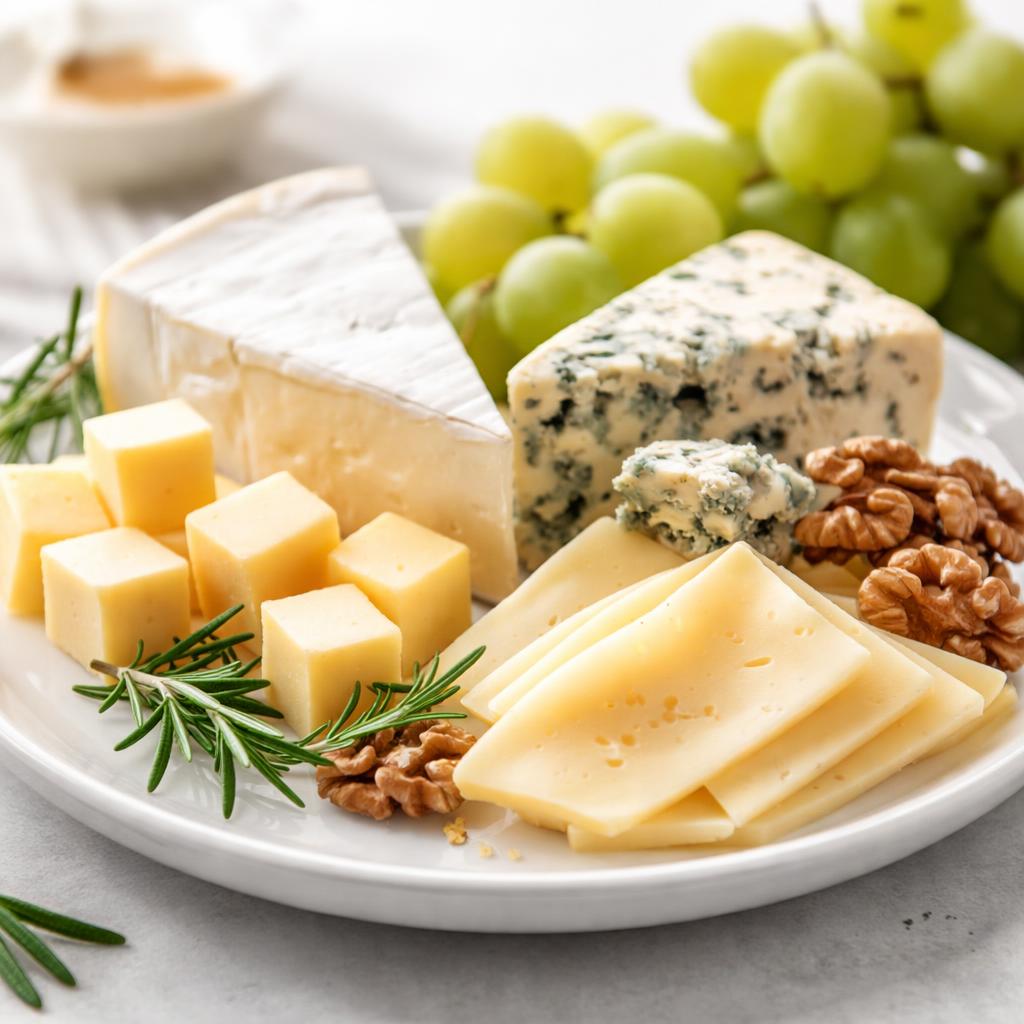
Cheese
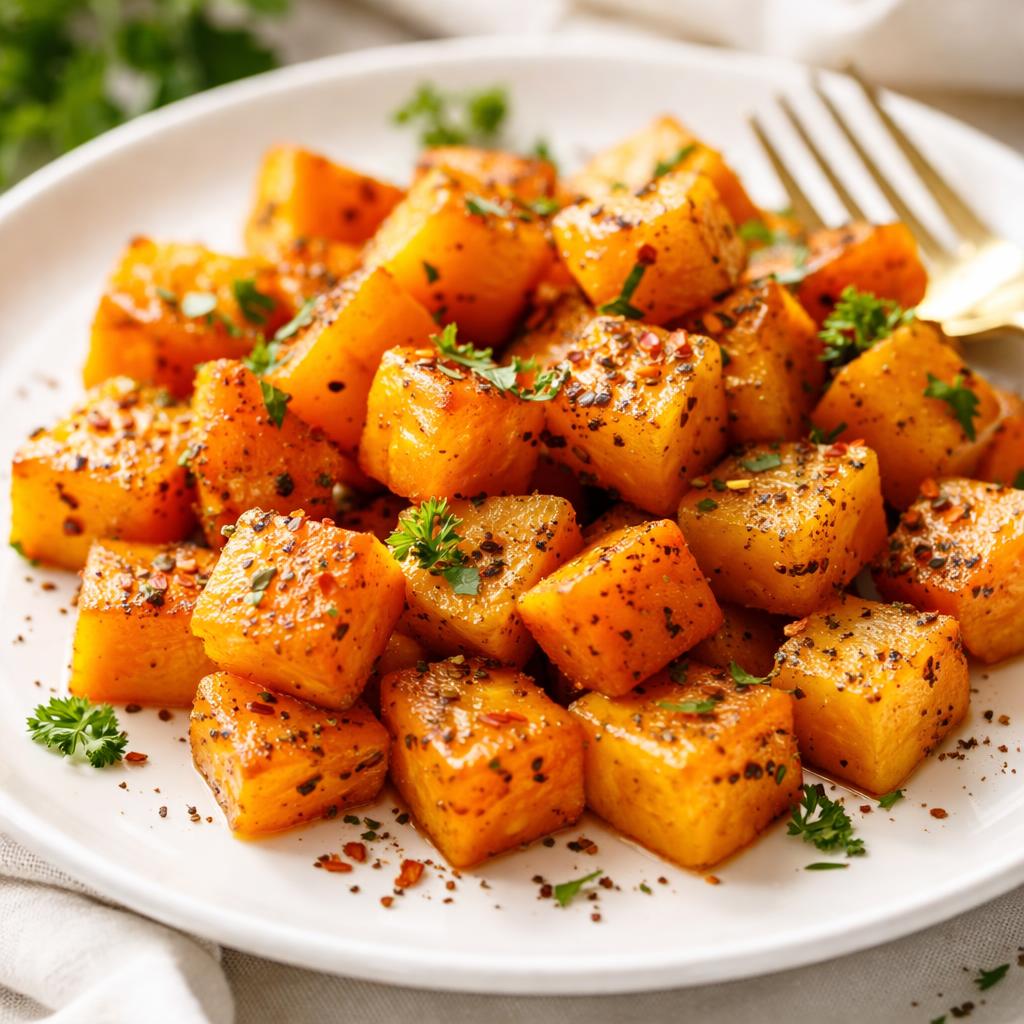
Butternut Squash
🎯 Quick Verdict
Cheese is a protein-rich, calorie-dense food, ideal for muscle maintenance and low-carb diets, whereas butternut squash is a low-calorie, fiber-rich option packed with vitamins. Cheese works well for keto or high-protein diets, while butternut squash suits vegan and heart-healthy eating patterns due to its nutrient content and low fat profile.

Smart Nutrition Tracking with SnapCalorie

📊 Nutritional Comparison
Macronutrients
| Nutrient | Food 1 | Food 2 | Winner |
|---|---|---|---|
| Calories | 115 per ounce | 45 per cup (cubed) | ✓ |
| Protein | 7g per ounce | 1g per cup | ✓ |
| Carbs | 1g per ounce | 12g per cup | ✓ |
| Fat | 9g per ounce | 0g per cup | ✓ |
| Fiber | 0g per ounce | 3g per cup | ✓ |
Vitamins & Minerals
| Nutrient | Food 1 | Food 2 | Winner |
|---|---|---|---|
| Vitamin A | 29 IU per ounce | 11,000 IU per cup | ✓ |
| Calcium | 200mg per ounce | 80mg per cup | ✓ |
| Vitamin C | 0mg per ounce | 31mg per cup | ✓ |
| Iron | 0.2mg per ounce | 0.7mg per cup | ✓ |
🏆 Category Winners
Protein
Cheese contains 7g of protein per ounce, significantly higher than butternut squash with just 1g per cup.
Fiber
Butternut squash provides 3g of fiber per cup, while cheese contains none.
Calories
Butternut squash is a low-calorie food with only 45 calories per cup, compared to cheese at 115 calories per ounce.
Vitamins
Butternut squash is a rich source of Vitamin A and Vitamin C compared to cheese's minimal vitamin content.
🥗 Diet Compatibility
Keto
Food 1: Compatible
Food 2: Not Compatible
Cheese is low-carb and high-fat, making it an ideal keto food, whereas butternut squash is higher in carbohydrates.
Vegan
Food 1: Not Compatible
Food 2: Compatible
Cheese is an animal product, while butternut squash is plant-based.
Gluten Free
Food 1: Compatible
Food 2: Compatible
Both cheese and butternut squash are naturally gluten-free.
Paleo
Food 1: Compatible
Food 2: Compatible
Cheese is often debated but can fit into some interpretations of paleo diets, while butternut squash is fully paleo-friendly.
Low-Carb
Food 1: Compatible
Food 2: Not Compatible
Cheese is low-carb with under 1g of carbs per ounce, while butternut squash contains 12g of carbs per cup.
💪 Health Benefits Comparison
Food 1 Benefits
- Good source of protein to support muscle growth and repair
- Rich in calcium which supports bone health
- Contains healthy fats beneficial for energy and hormone regulation
Food 2 Benefits
- High in Vitamin A for immune and eye health
- Contains fiber to improve digestion and promote feelings of fullness
- Rich in antioxidants including beta-carotene, which supports heart health
✅ The Bottom Line
Cheese is ideal for those on keto, low-carb, or high-protein diets, while butternut squash is best for those prioritizing low-calorie, fiber-rich, or nutrient-dense options. Choose cheese when focusing on muscle maintenance or low-carb eating, and opt for butternut squash for a vitamin-packed addition to plant-based meals.
Choose Food 1 for: Keto diets, weight management, high protein needs
Choose Food 2 for: Vegan diets, heart health, low-calorie meal plans


