Cheese VS Buckwheat
A detailed nutritional comparison
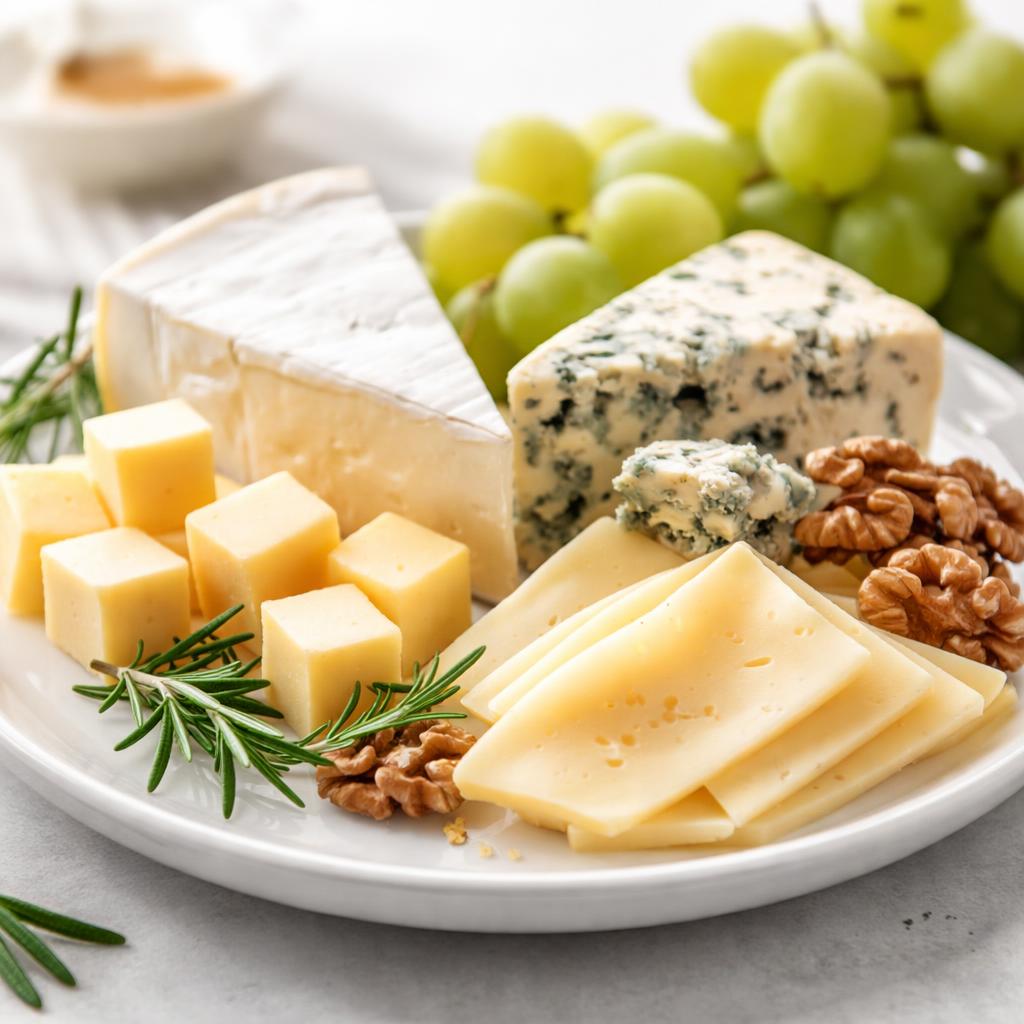
Cheese
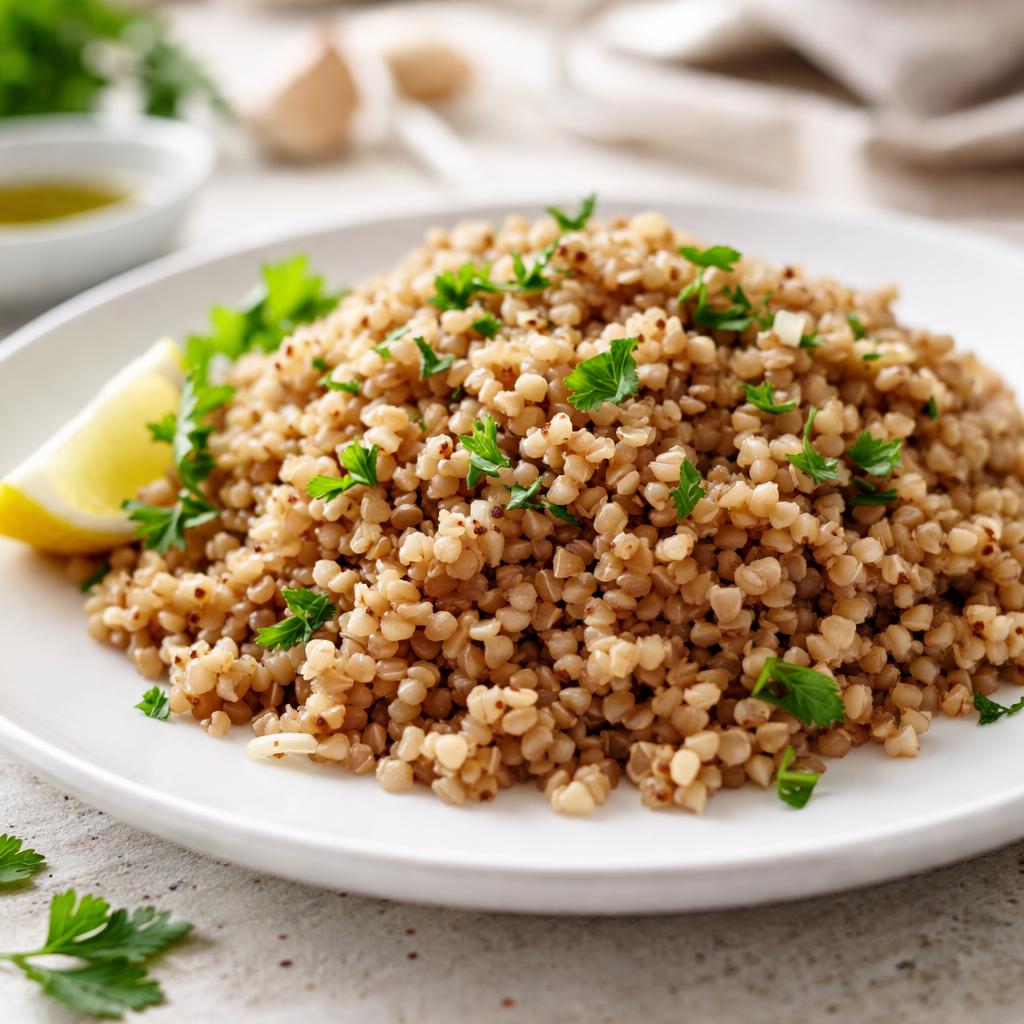
Buckwheat
🎯 Quick Verdict
Cheese and buckwheat offer unique nutritional benefits: cheese is a high-protein, high-fat food best suited for low-carb diets, while buckwheat is an energy-dense, fiber-rich grain ideal for sustained energy and digestion. Cheese tends to be lower in calories but lacks fiber, while buckwheat is a superior source of vitamins and minerals like magnesium and iron.

Smart Nutrition Tracking with SnapCalorie

📊 Nutritional Comparison
Macronutrients
| Nutrient | Food 1 | Food 2 | Winner |
|---|---|---|---|
| Calories | 120 | 154 | ✓ |
| Protein | 7g | 4g | ✓ |
| Carbs | 1g | 33g | ✓ |
| Fat | 10g | 1g | ✓ |
| Fiber | 0g | 4.6g | ✓ |
Vitamins & Minerals
| Nutrient | Food 1 | Food 2 | Winner |
|---|---|---|---|
| Vitamin D | 0.9mcg | 0mcg | ✓ |
| Calcium | 151mg | 17mg | ✓ |
| Iron | 0.2mg | 2mg | ✓ |
| Magnesium | 3mg | 86mg | ✓ |
🏆 Category Winners
Protein
Cheese contains nearly double the protein per serving compared to buckwheat.
Fiber
Buckwheat provides 4.6g of fiber per serving, while cheese has none.
Calories
Cheese is approximately 22% lower in calories per serving compared to buckwheat.
🥗 Diet Compatibility
Keto
Food 1: Compatible
Food 2: Not Compatible
Cheese is low-carb and high-fat, perfect for keto. Buckwheat is too high in carbs for a keto diet.
Vegan
Food 1: Not Compatible
Food 2: Compatible
Cheese is derived from animal products, while buckwheat is plant-based.
Gluten Free
Food 1: Compatible
Food 2: Compatible
Both cheese and buckwheat are naturally gluten-free.
Paleo
Food 1: Partially Compatible
Food 2: Compatible
Cheese is debated in paleo diets due to dairy concerns, but buckwheat fits as a gluten-free seed.
Low Carb
Food 1: Compatible
Food 2: Not Compatible
Cheese has just 1g of carbs per serving compared to buckwheat's 33g.
💪 Health Benefits Comparison
Food 1 Benefits
- Rich in high-quality protein for muscle growth and repair
- High calcium content supports bone health
- Contains healthy fats to promote satiety and energy
Food 2 Benefits
- Excellent source of fiber for improved digestion
- Rich in magnesium supporting heart health and energy production
- Provides plant-based iron to support oxygen transport in the body
- Contains antioxidants like rutin that may reduce inflammation
✅ The Bottom Line
Cheese is better for low-carb, high-protein needs and is ideal for keto or weight-loss diets. Buckwheat is a healthy option for vegans, those needing sustained energy, or anyone focusing on digestion and overall nutrient density.
Choose Food 1 for: Low-carb diets, weight management, muscle repair
Choose Food 2 for: Plant-based diets, digestive health, sustained energy needs


