Cheese VS Breakfast Sausage
A detailed nutritional comparison
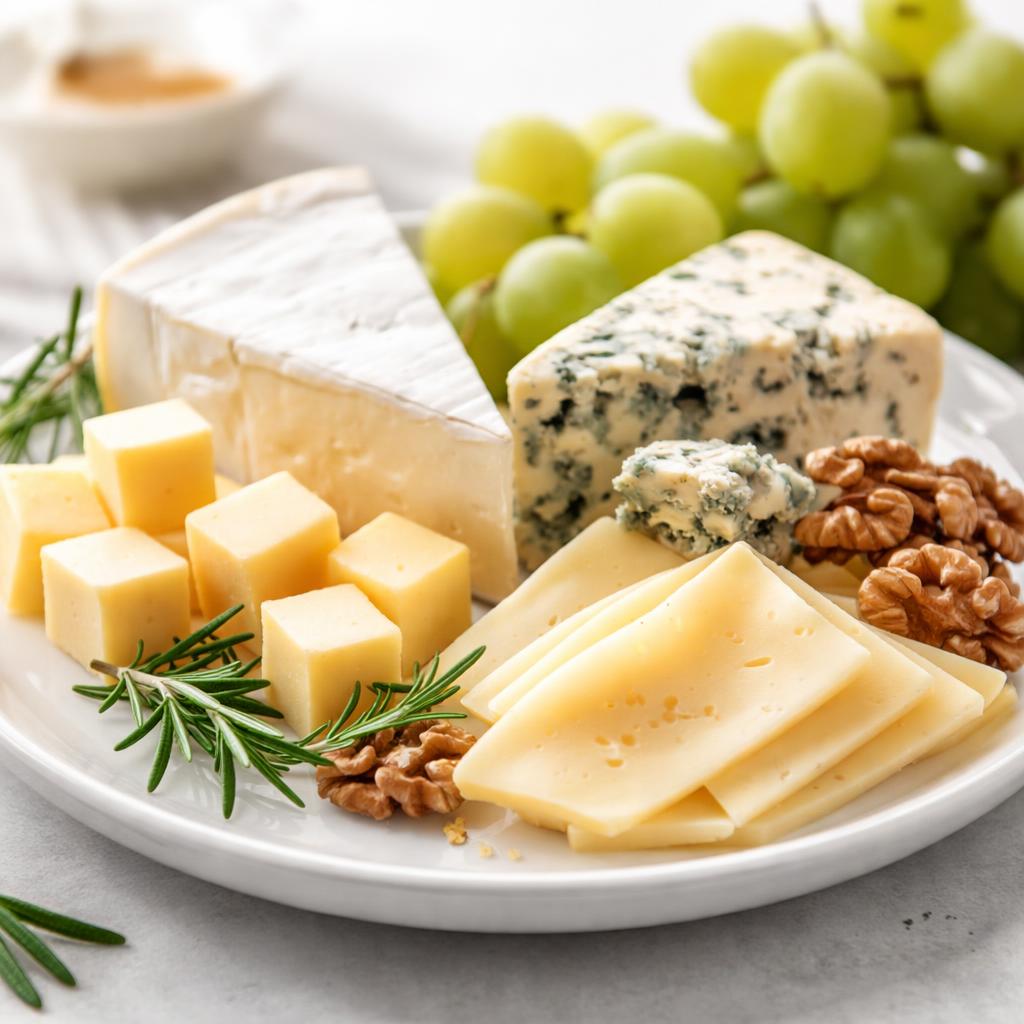
Cheese
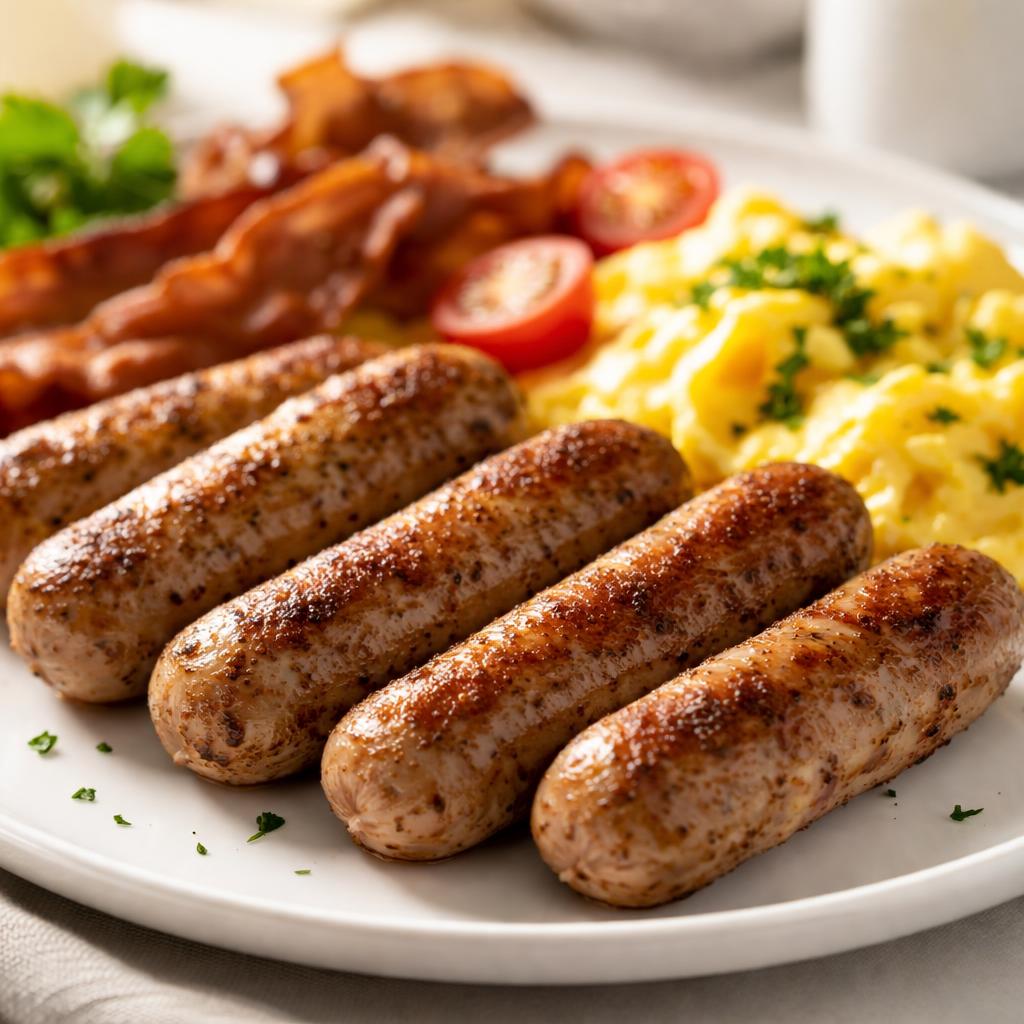
Breakfast Sausage
🎯 Quick Verdict
Cheese and breakfast sausage both offer high protein, but cheese stands out with lower calories, higher calcium, and better versatility for diets like keto. Breakfast sausage, however, provides slightly more fats and is better for those seeking a heartier breakfast option rich in flavor.

Smart Nutrition Tracking with SnapCalorie

📊 Nutritional Comparison
Macronutrients
| Nutrient | Food 1 | Food 2 | Winner |
|---|---|---|---|
| Calories | 110 | 160 | − |
| Protein | 7g | 6g | − |
| Carbs | 1g | 1g | − |
| Fat | 9g | 12g | − |
| Fiber | 0g | 0g | − |
Vitamins & Minerals
| Nutrient | Food 1 | Food 2 | Winner |
|---|---|---|---|
| Vitamin D | 0.6mcg | 0.3mcg | − |
| Calcium | 200mg | 15mg | − |
| Iron | 0.1mg | 0.7mg | − |
🏆 Category Winners
Protein
Cheese contains a slightly higher protein content per serving.
Fiber
Neither cheese nor breakfast sausage contains significant fiber.
Calories
Cheese has fewer calories, making it lighter for dietary needs.
Vitamins
Cheese is higher in calcium and vitamin D compared to breakfast sausage.
🥗 Diet Compatibility
Keto
Food 1: Compatible
Food 2: Compatible
Both foods are low in carbohydrates, suitable for keto diets.
Vegan
Food 1: Not Compatible
Food 2: Not Compatible
Both are animal-derived products.
Gluten Free
Food 1: Compatible
Food 2: Compatible
Neither contains gluten unless additives are added to breakfast sausage.
Paleo
Food 1: Not Compatible
Food 2: Compatible
Breakfast sausage aligns with paleo, but cheese is excluded due to dairy.
Low-Carb
Food 1: Compatible
Food 2: Compatible
Both foods are low in carbohydrates (around 1g per serving).
💪 Health Benefits Comparison
Food 1 Benefits
- Rich in calcium for bone health
- Provides vitamin D for immune and bone support
- Source of high-quality protein for muscle maintenance
Food 2 Benefits
- Good source of iron for oxygen transport in the body
- Provides healthy fats to support brain and heart health
- High in flavor, suitable for energy-dense meals
✅ The Bottom Line
Choose cheese for a lower-calorie, high-calcium option that works well in low-carb and keto diets. Opt for breakfast sausage if you're seeking a satiating, flavorful addition to a heartier meal enriched with fats and iron.
Choose Food 1 for: Low-calorie diets, keto meal plans, calcium intake
Choose Food 2 for: Flavorful breakfasts, paleo meals, higher fat content


