Cheese VS Basil
A detailed nutritional comparison
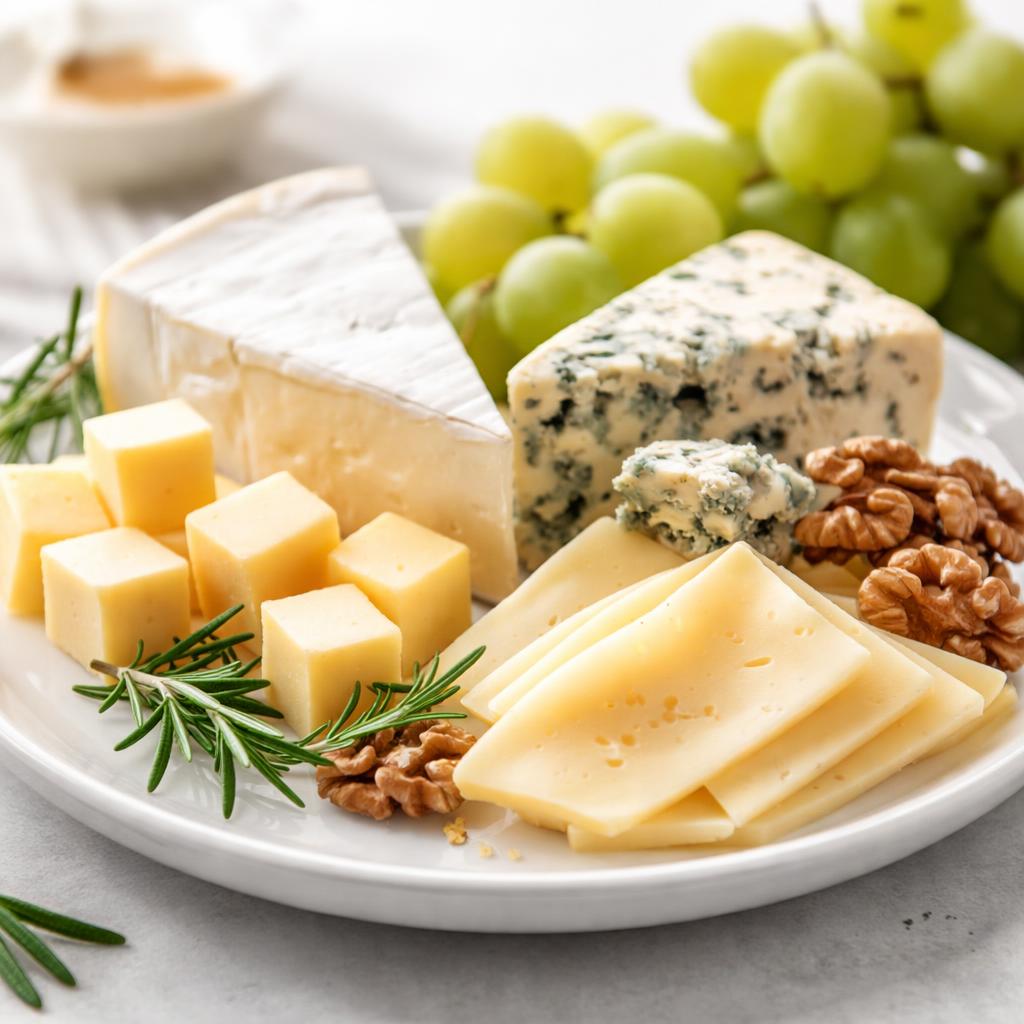
Cheese
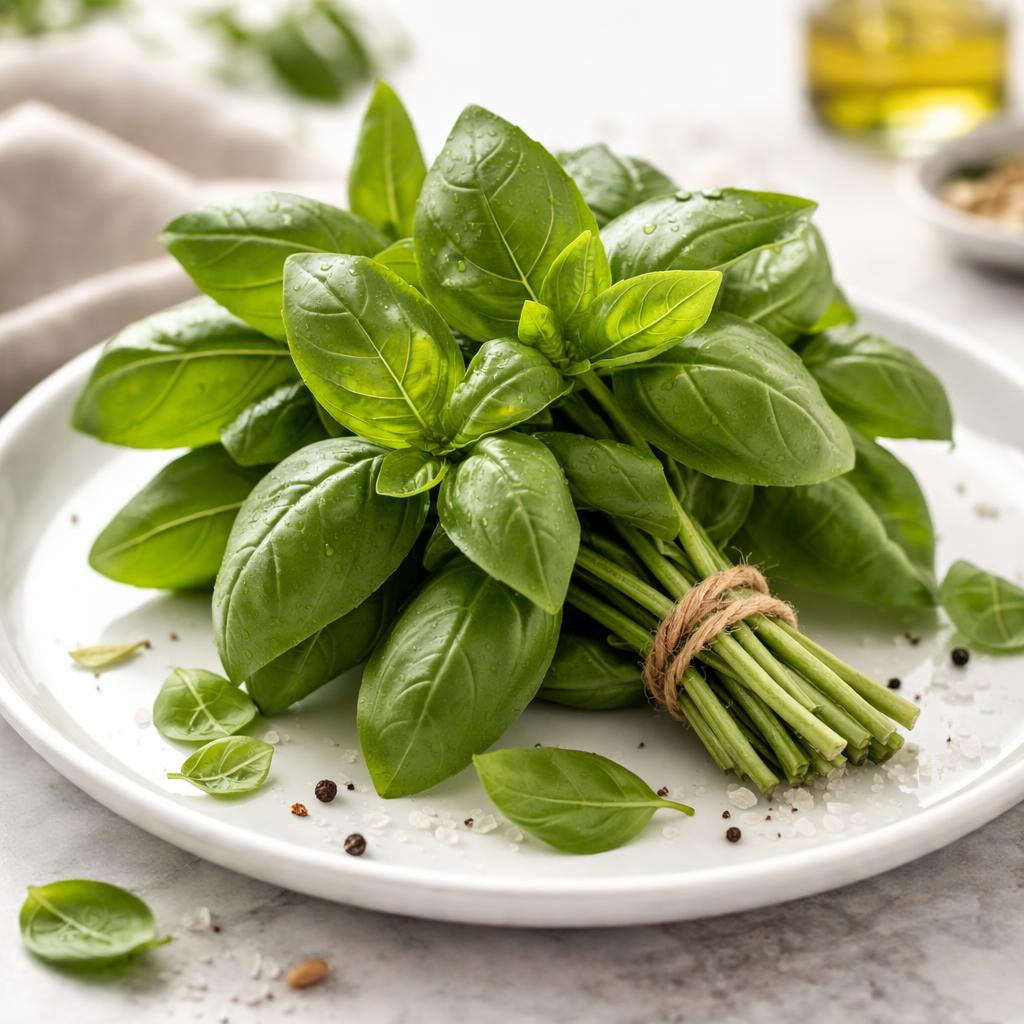
Basil
🎯 Quick Verdict
Cheese and basil serve very different dietary roles. Cheese is a protein-dense, high-calorie food primarily used as a protein source, while basil is light, low-calorie, and rich in fiber, vitamins, and antioxidants. Cheese suits high-protein, keto diets, while basil is great for nutrient variety in plant-based and low-calorie meals.

Smart Nutrition Tracking with SnapCalorie

📊 Nutritional Comparison
Macronutrients
| Nutrient | Food 1 | Food 2 | Winner |
|---|---|---|---|
| Calories | 100 kcal (per oz) | 5 kcal (per Tbsp) | ✓ |
| Protein | 7g | 0.3g | ✓ |
| Carbs | 1g | 0.7g | ✓ |
| Fat | 8g | 0g | ✓ |
| Fiber | 0g | 0.5g | ✓ |
Vitamins & Minerals
| Nutrient | Food 1 | Food 2 | Winner |
|---|---|---|---|
| Vitamin A | 270 IU | 317 IU | ✓ |
| Vitamin C | 0mg | 1.9mg | ✓ |
| Calcium | 200mg | 17mg | ✓ |
| Iron | 0.2mg | 0.3mg | ✓ |
🏆 Category Winners
Protein
Cheese provides far more protein per serving, about 7g compared to basil's 0.3g.
Fiber
Basil has 0.5g of fiber per tablespoon, whereas cheese contains negligible fiber.
Calories
Basil is extremely low-calorie with only 5 kcal per tablespoon compared to cheese's 100 kcal per ounce.
🥗 Diet Compatibility
Keto
Food 1: Compatible
Food 2: Compatible
Both foods are low-carb and fit well within keto dietary guidelines.
Vegan
Food 1: Not Compatible
Food 2: Compatible
Cheese is animal-derived, while basil is plant-based.
Gluten Free
Food 1: Compatible
Food 2: Compatible
Neither cheese nor basil contains gluten.
Paleo
Food 1: Compatible
Food 2: Compatible
Both foods fit paleo guidelines when cheese is unprocessed.
Low-Carb
Food 1: Compatible
Food 2: Compatible
Cheese has only 1g carbs per ounce, and basil only 0.7g per tablespoon.
💪 Health Benefits Comparison
Food 1 Benefits
- Rich in protein for muscle and tissue repair
- High calcium content for bone health
- Source of healthy fats for sustained energy
Food 2 Benefits
- Low-calorie addition to meals for weight management
- Packed with antioxidants for cellular health
- Rich in vitamin C and iron for immunity and energy production
✅ The Bottom Line
Choose cheese when protein, healthy fat, and calorie density are priorities, such as post-workout or in keto diets. Opt for basil for its nutrient density, fiber, and antioxidant-rich profile, perfect for flavoring meals while keeping them light and plant-focused.
Choose Food 1 for: Keto diets, high-protein snacks, weight maintenance
Choose Food 2 for: Low-calorie meals, plant-based diets, antioxidant boosts


