Cheese VS Baked Potato
A detailed nutritional comparison
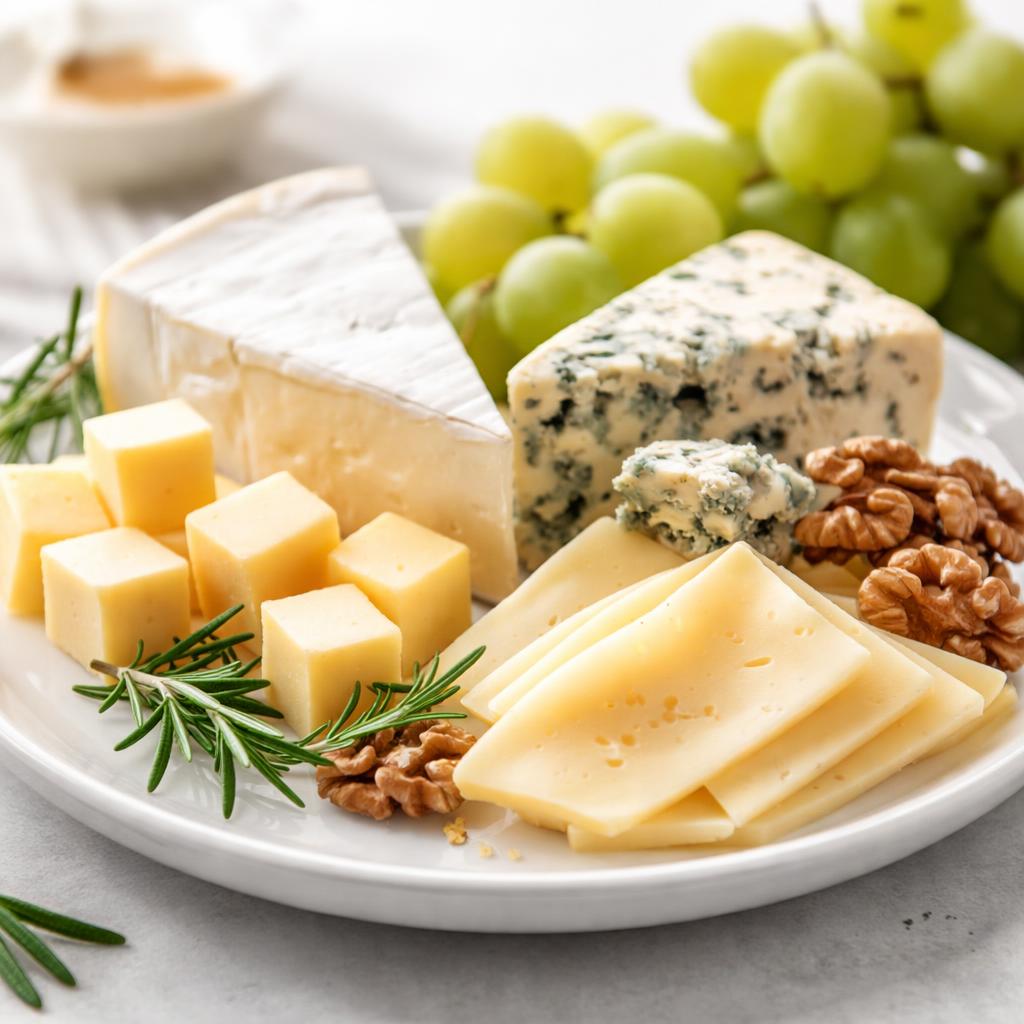
Cheese
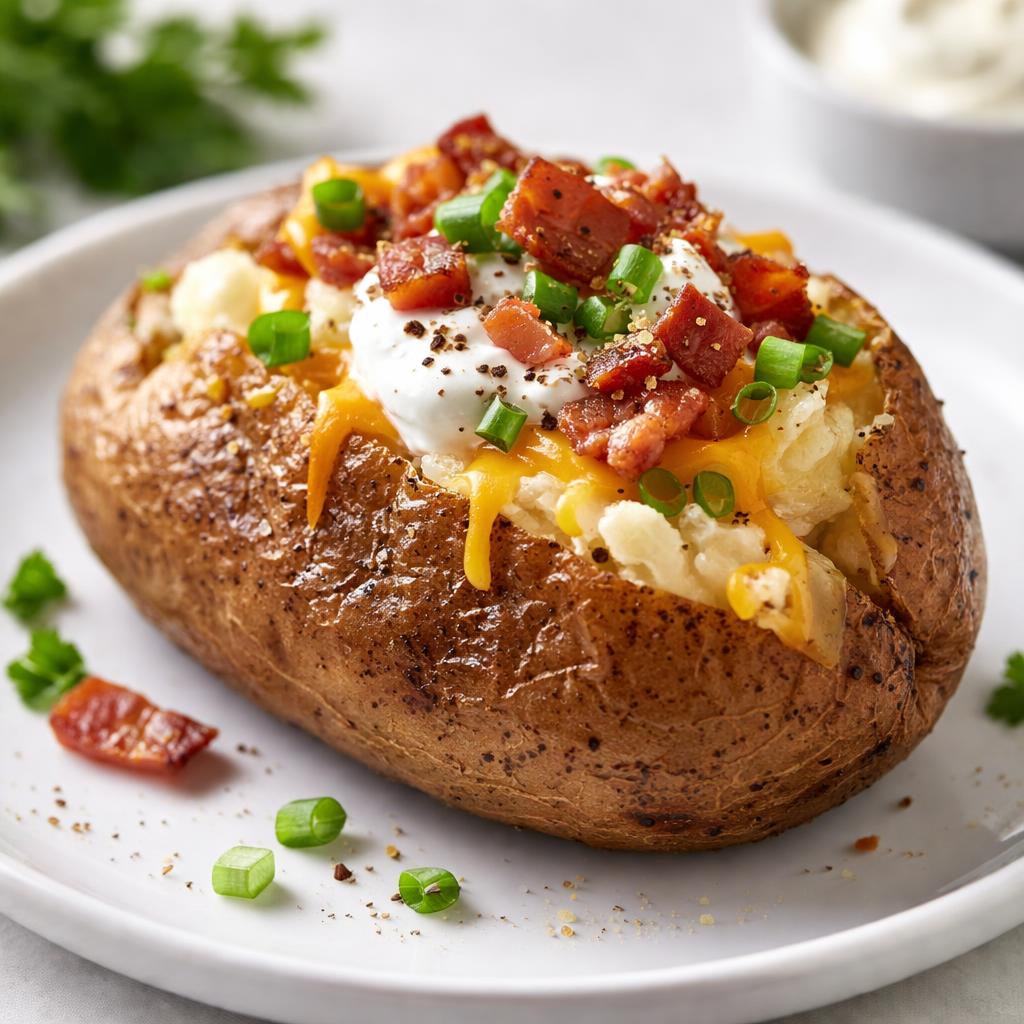
Baked Potato
🎯 Quick Verdict
Cheese is a higher-protein, higher-fat option with fewer calories and is suitable for keto and low-carb diets. On the other hand, baked potatoes are high in fiber, carbohydrates, and micronutrients, making them ideal for energy replenishment and digestion. Each food has distinct uses depending on dietary needs.

Smart Nutrition Tracking with SnapCalorie

📊 Nutritional Comparison
Macronutrients
| Nutrient | Food 1 | Food 2 | Winner |
|---|---|---|---|
| Calories | 110 (1 ounce cheddar) | 130 (1 medium baked potato skin-on) | ✓ |
| Protein | 7g | 3g | ✓ |
| Carbs | 1g | 29g | ✓ |
| Fat | 9g | 0g | ✓ |
| Fiber | 0g | 3g | ✓ |
Vitamins & Minerals
| Nutrient | Food 1 | Food 2 | Winner |
|---|---|---|---|
| Vitamin D | 0.1mcg | 0mcg | ✓ |
| Calcium | 200mg | 20mg | ✓ |
| Iron | 0.1mg | 1.1mg | ✓ |
| Potassium | 20mg | 620mg | ✓ |
🏆 Category Winners
Protein
Cheese provides over twice as much protein as a baked potato.
Fiber
Baked potatoes contain 3g of fiber, while cheese has none.
Calories
Cheese has slightly fewer calories than a baked potato per serving.
🥗 Diet Compatibility
Keto
Food 1: Compatible
Food 2: Not Compatible
Cheese is low-carb, while baked potatoes are high in carbohydrates.
Vegan
Food 1: Not Compatible
Food 2: Compatible
Cheese is animal-derived, while baked potatoes are plant-based.
Gluten Free
Food 1: Compatible
Food 2: Compatible
Both foods are naturally gluten-free.
Paleo
Food 1: Not Compatible
Food 2: Compatible
Cheese is excluded in paleo diets, while potatoes are a whole food allowed in paleo.
Low-Carb
Food 1: Compatible
Food 2: Not Compatible
Cheese is extremely low in carbohydrates, which makes it suitable for low-carb diets, unlike baked potatoes.
💪 Health Benefits Comparison
Food 1 Benefits
- Rich in protein for muscle repair and maintenance
- High in calcium for strong bones and teeth
- Good source of vitamin D for bone health
- Contains satiating fats for energy and appetite management
Food 2 Benefits
- High in fiber for digestive health
- Excellent source of potassium for heart and muscle function
- Provides slow-digesting carbohydrates for long-lasting energy
- Rich in iron, supporting oxygen transport and energy production
✅ The Bottom Line
Cheese is best for those seeking high-protein, low-carb options, while baked potatoes are ideal for those needing energy replenishment or a fiber-rich side. Consider your overall diet goals when choosing between these two foods.
Choose Food 1 for: Low-carb diets, keto, high-protein meals
Choose Food 2 for: Digestive health, sustained energy, high-carb meals


