Cheese VS Bacon Bits
A detailed nutritional comparison
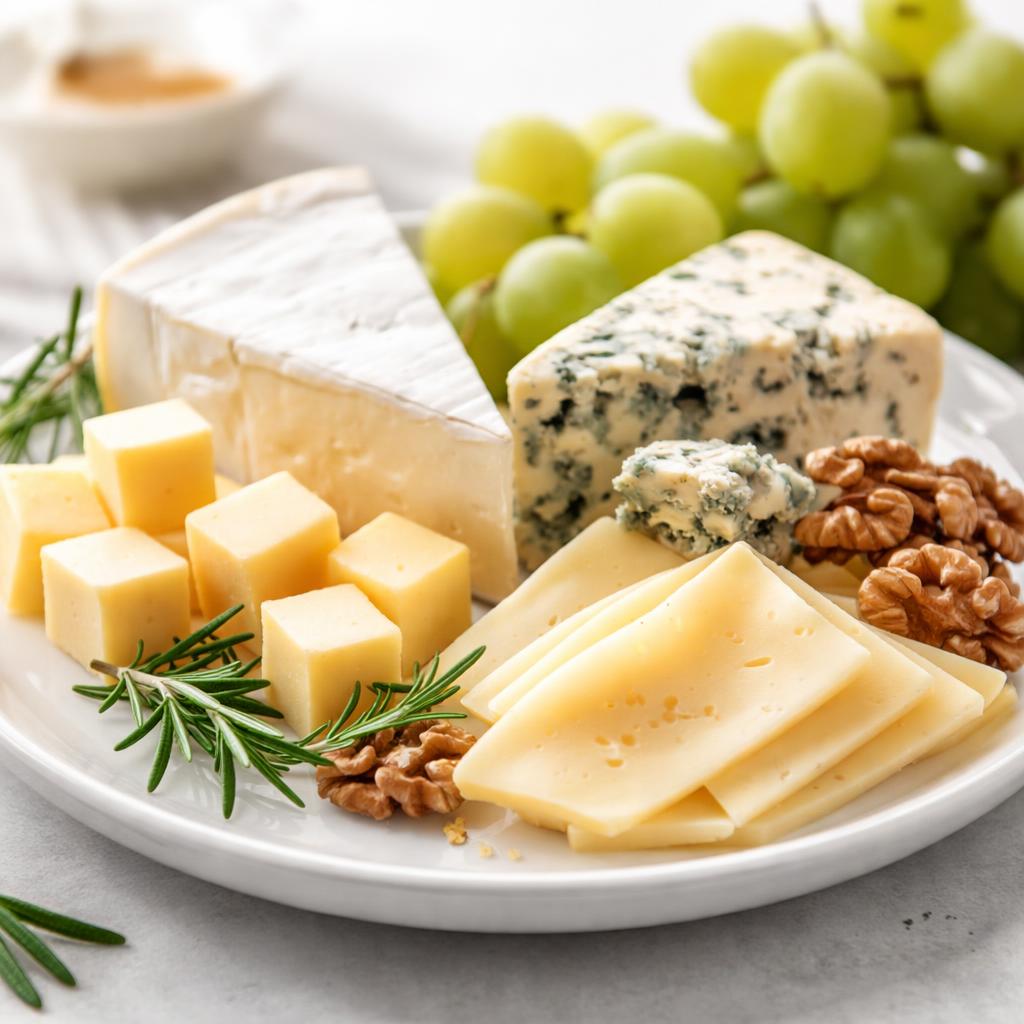
Cheese
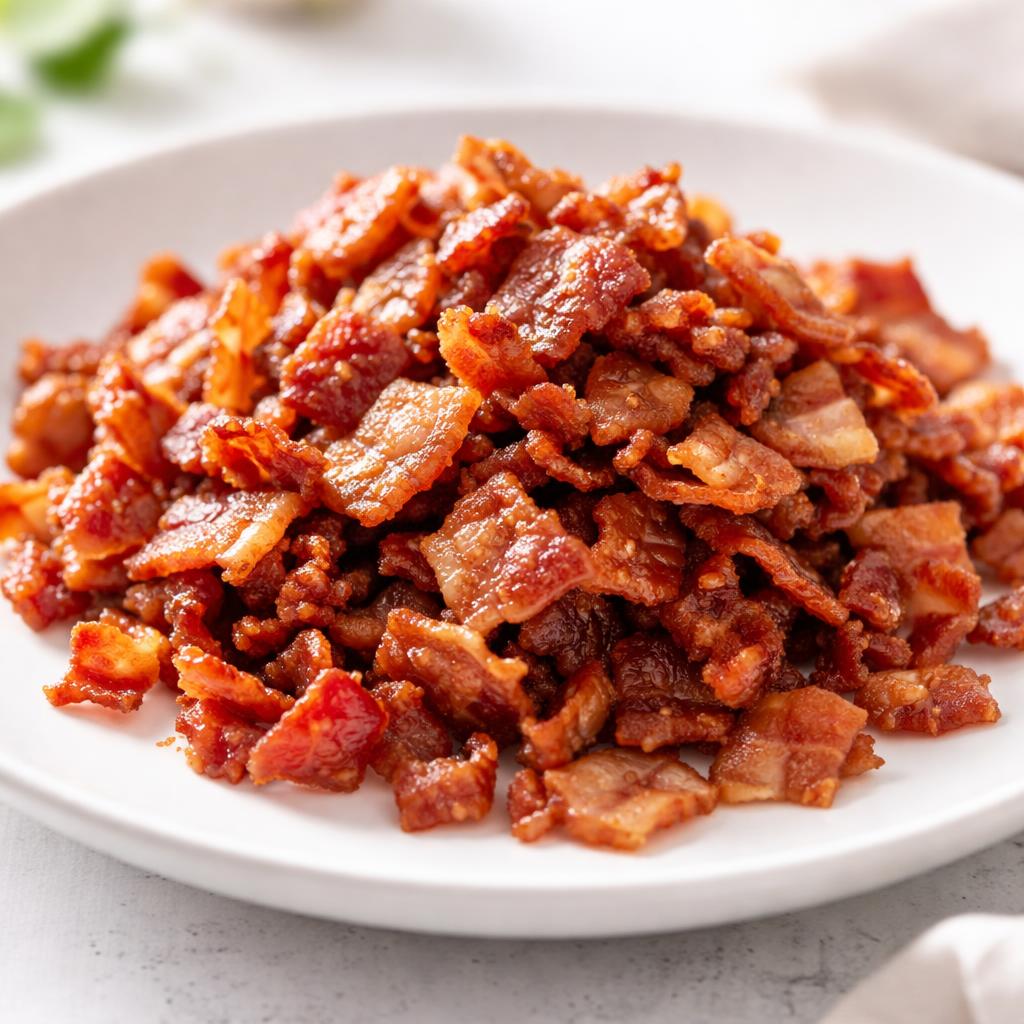
Bacon Bits
🎯 Quick Verdict
Cheese and bacon bits both bring unique benefits to the table. Cheese is higher in protein and provides calcium, making it better for muscle maintenance and bone health. Bacon bits offer more appealing taste notes for indulgent dishes but are higher in fat and sodium, making moderation key for a heart-healthy diet.

Smart Nutrition Tracking with SnapCalorie

📊 Nutritional Comparison
Macronutrients
| Nutrient | Food 1 | Food 2 | Winner |
|---|---|---|---|
| Calories | 113 per ounce | 151 per ounce | ✓ |
| Protein | 7g | 2g | ✓ |
| Carbs | 1g | 0g | ✓ |
| Fat | 9g | 12g | ✓ |
| Fiber | 0g | 0g | − |
Vitamins & Minerals
| Nutrient | Food 1 | Food 2 | Winner |
|---|---|---|---|
| Vitamin D | 0.2mcg | 0mcg | ✓ |
| Calcium | 200mg | 0mg | ✓ |
| Iron | 0.1mg | 0.3mg | ✓ |
🏆 Category Winners
Protein
Cheese contains 3.5 times more protein than bacon bits per ounce.
Fiber
Neither cheese nor bacon bits contain fiber.
Calories
Cheese has approximately 25% fewer calories per ounce.
Vitamins
Cheese is significantly richer in calcium and vitamin D.
🥗 Diet Compatibility
Keto
Food 1: Compatible
Food 2: Compatible
Both are low-carb and high-fat, suiting a ketogenic diet.
Vegan
Food 1: Not Compatible
Food 2: Not Compatible
Both foods are animal-based.
Gluten Free
Food 1: Compatible
Food 2: Compatible
Neither food contains gluten.
Paleo
Food 1: Not Compatible
Food 2: Compatible
Processed cheese does not fit paleo guidelines, but bacon bits may if uncured.
Low-Carb
Food 1: Compatible
Food 2: Compatible
Both foods are low in carbs.
💪 Health Benefits Comparison
Food 1 Benefits
- Rich in calcium for bone health
- Provides protein for muscle growth
- Contains vitamin D for immune and bone support
Food 2 Benefits
- Adds flavor without needing much volume
- Low in carbs, ideal for low-carb diets
- Contains healthy fats (if consumed in moderation)
✅ The Bottom Line
Cheese is a more nutrient-dense option and fits into diets prioritizing protein and calcium, such as for muscle maintenance and bone health. Bacon bits excel as a flavor enhancer but should usually be consumed in smaller quantities due to higher fat and sodium levels.
Choose Food 1 for: Bone health, muscle maintenance, calcium-rich diets
Choose Food 2 for: Flavor enhancement, ketogenic diets, indulgent meals


