Cheese VS Bacon
A detailed nutritional comparison
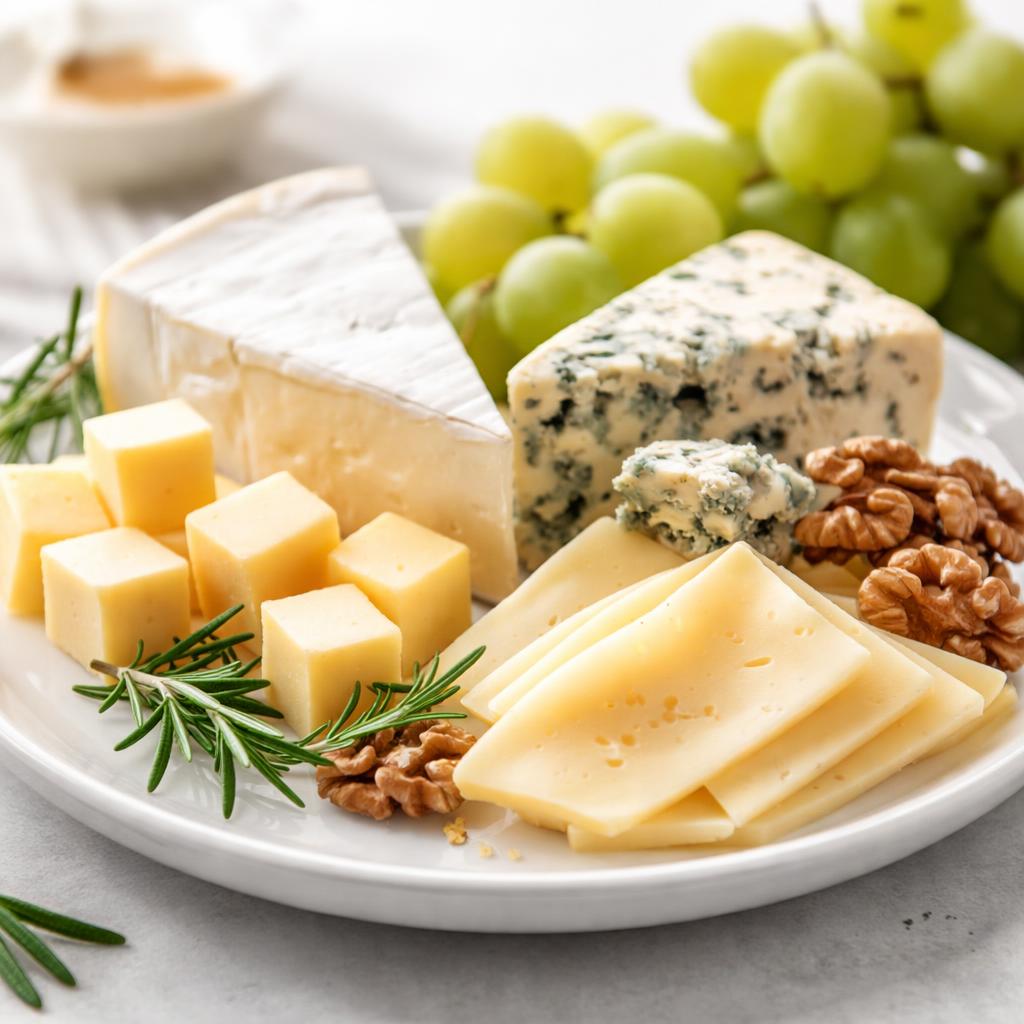
Cheese
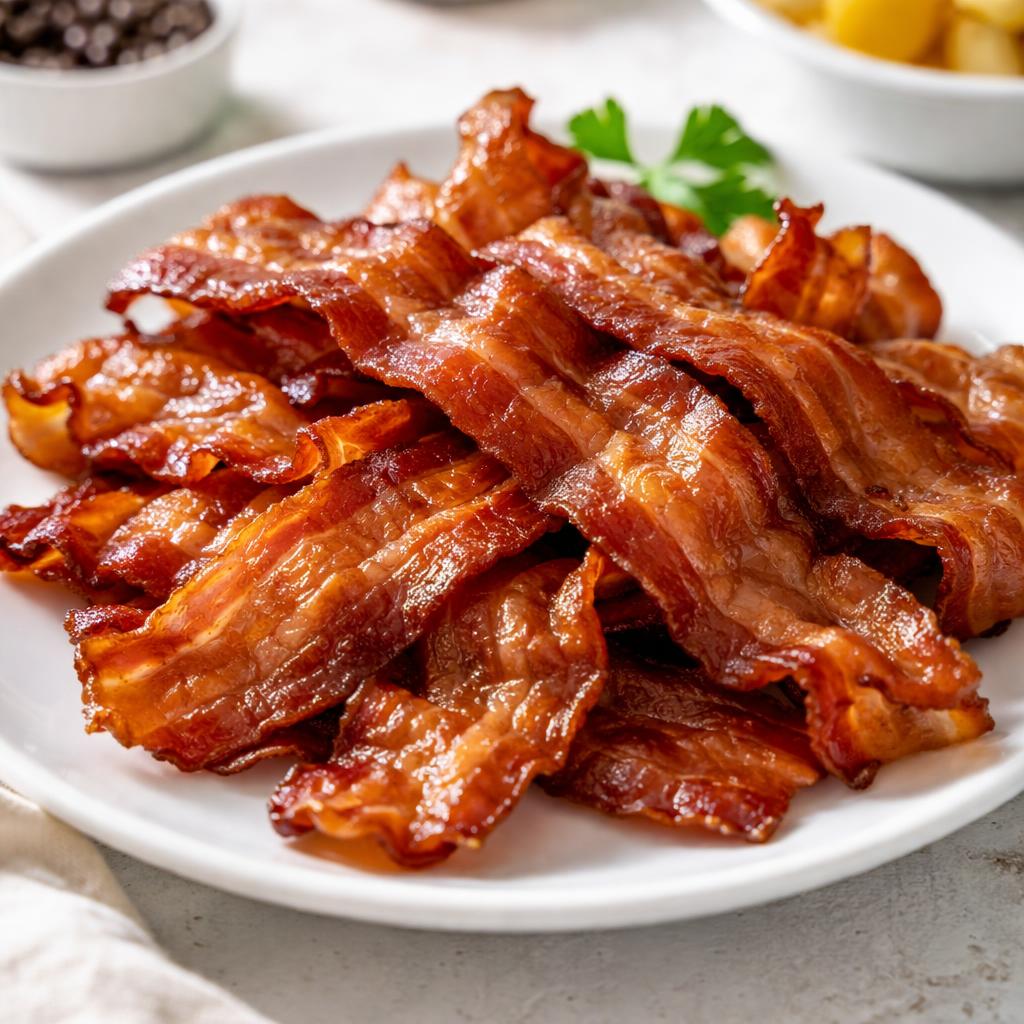
Bacon
🎯 Quick Verdict
Cheese and bacon both offer distinct nutritional benefits. Cheese edges out with higher protein content, lower fat, and more calcium, making it excellent for muscle health and bone strength. Bacon, while calorie-dense, provides healthy fats and sodium, making it better for quick energy and flavor-boosting in dishes. Cheese is favorable for lower-calorie and higher-protein diets, whereas bacon suits indulgent meals or ketogenic diets.

Smart Nutrition Tracking with SnapCalorie

📊 Nutritional Comparison
Macronutrients
| Nutrient | Food 1 | Food 2 | Winner |
|---|---|---|---|
| Calories | 120 | 160 | ✓ |
| Protein | 7g | 3g | ✓ |
| Carbs | 1g | 0g | ✓ |
| Fat | 10g | 12g | ✓ |
| Fiber | 0g | 0g | − |
Vitamins & Minerals
| Nutrient | Food 1 | Food 2 | Winner |
|---|---|---|---|
| Vitamin D | 0.5mcg | 0.3mcg | ✓ |
| Calcium | 200mg | 10mg | ✓ |
| Iron | 0.1mg | 0.3mg | ✓ |
🏆 Category Winners
Protein
Cheese contains over twice the protein content per serving compared to bacon.
Fiber
Neither cheese nor bacon contains fiber.
Calories
Cheese has 25% fewer calories per serving compared to bacon.
🥗 Diet Compatibility
Keto
Food 1: Compatible
Food 2: Compatible
Both are low in carbs and high in fat, suitable for keto diets.
Vegan
Food 1: Not Compatible
Food 2: Not Compatible
Both foods are animal products.
Gluten Free
Food 1: Compatible
Food 2: Compatible
Neither cheese nor bacon contains gluten.
Paleo
Food 1: Not Compatible
Food 2: Compatible
Bacon fits the paleo diet, while processed cheese does not.
Low-Carb
Food 1: Compatible
Food 2: Compatible
Both foods are very low in carbohydrates.
💪 Health Benefits Comparison
Food 1 Benefits
- High in protein for muscle repair and maintenance
- Rich in calcium, promoting strong bones and teeth
- Contains Vitamin D, aiding in calcium absorption and immune health
Food 2 Benefits
- Good source of healthy fats for energy and satiety
- Contains sodium for maintaining electrolyte balance
- Provides iron for supporting red blood cell production
✅ The Bottom Line
Choose cheese for high-protein, low-calorie meals that boost bone health. Bacon is a better choice for flavor enhancement and energy-rich, ketogenic dishes. Both foods offer distinct advantages based on your dietary goals.
Choose Food 1 for: Weight management, muscle building, bone health
Choose Food 2 for: Ketogenic diet, quick energy, flavor enhancer


