Cauliflower Rice VS Zucchini Noodles
A detailed nutritional comparison
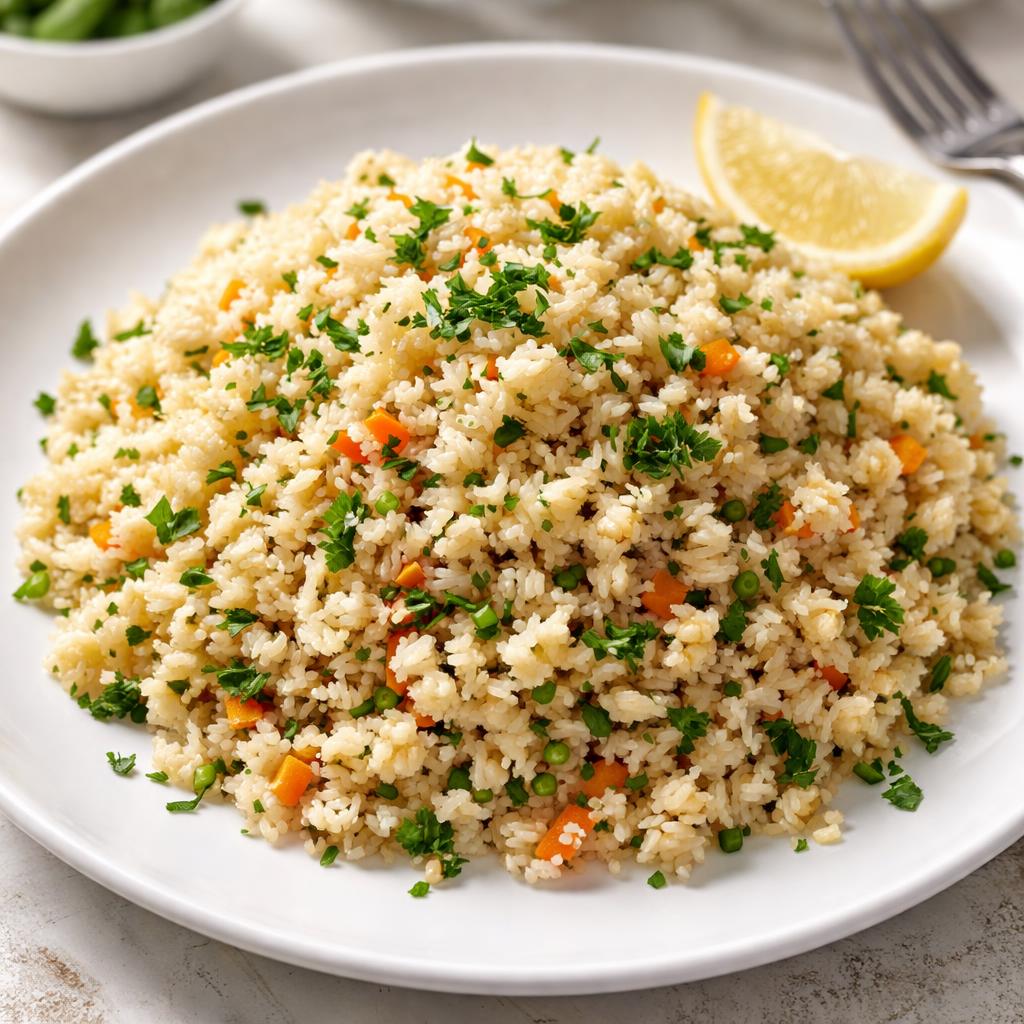
Cauliflower Rice
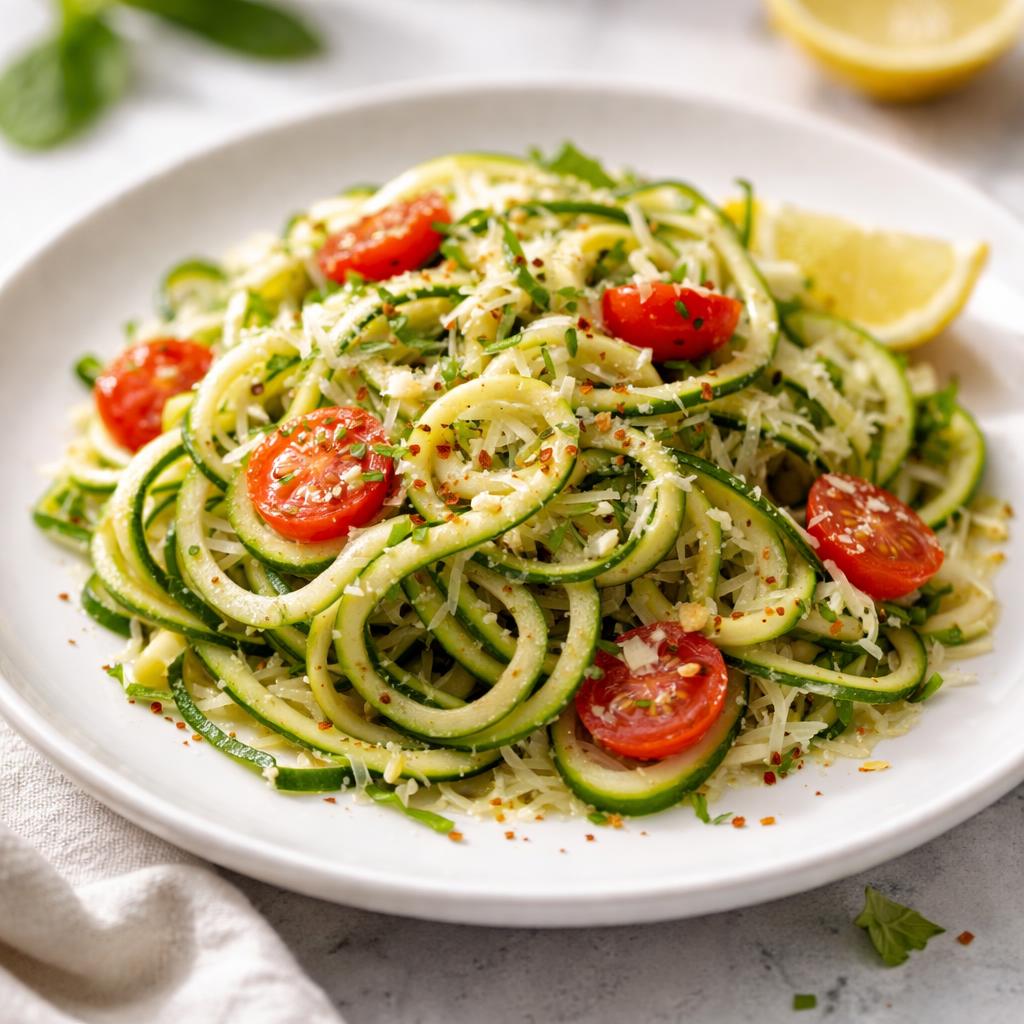
Zucchini Noodles
🎯 Quick Verdict
Cauliflower rice is lower in calories and higher in fiber, making it better for weight management and digestion. Zucchini noodles offer slightly higher hydration and are better for those pursuing a lighter, less fibrous option. Both are excellent low-carb alternatives to traditional grains and pasta, versatile in a variety of dishes.

Smart Nutrition Tracking with SnapCalorie

📊 Nutritional Comparison
Macronutrients
| Nutrient | Food 1 | Food 2 | Winner |
|---|---|---|---|
| Calories | 25 | 33 | ✓ |
| Protein | 2g | 2g | − |
| Carbs | 5g | 6g | ✓ |
| Fat | 0g | 0g | − |
| Fiber | 2g | 1g | ✓ |
Vitamins & Minerals
| Nutrient | Food 1 | Food 2 | Winner |
|---|---|---|---|
| Vitamin C | 25mg (30% DV) | 22mg (25% DV) | ✓ |
| Vitamin K | 15mcg (12% DV) | 4mcg (3% DV) | ✓ |
| Potassium | 300mg (6% DV) | 220mg (5% DV) | ✓ |
🏆 Category Winners
Protein
Both foods provide 2 grams of protein per serving.
Fiber
Cauliflower rice has double the fiber of zucchini noodles.
Calories
Cauliflower rice is slightly lower in calories (25 vs. 33 per serving).
Vitamins
Cauliflower rice has higher Vitamin C, Vitamin K, and potassium levels compared to zucchini noodles.
🥗 Diet Compatibility
Keto
Food 1: Highly Compatible
Food 2: Highly Compatible
Both are low-carb with 5-6g carbs per serving.
Vegan
Food 1: Compatible
Food 2: Compatible
Both are plant-based and suitable for vegan diets.
Gluten Free
Food 1: Compatible
Food 2: Compatible
Neither contains gluten naturally.
Paleo
Food 1: Compatible
Food 2: Compatible
Both are minimally processed and fit paleo diets.
Low-Carb
Food 1: Highly Compatible
Food 2: Highly Compatible
Both foods are excellent low-carb alternatives to grains or pasta.
💪 Health Benefits Comparison
Food 1 Benefits
- Low in calories, ideal for weight management
- High in fiber, supports healthy digestion
- Rich in Vitamin C, boosts immune health
- Contains potassium, aids muscle function
Food 2 Benefits
- Low in calories, suitable for lighter meals
- Hydrating due to high water content
- Provides Vitamin C for antioxidant support
- Tasty alternative to traditional pasta, adds variety
✅ The Bottom Line
Cauliflower rice edges out zucchini noodles for fiber intake and lower calories, making it better suited for weight loss or digestion-focused goals. Zucchini noodles, however, are a great option for hydration and as a lighter substitute for pasta in low-carb recipes.
Choose Food 1 for: Weight management, digestion support, low-calorie meals
Choose Food 2 for: Hydration, pasta replacement, nutrient variety in meals


