Cauliflower Rice VS Spicy Rice
A detailed nutritional comparison
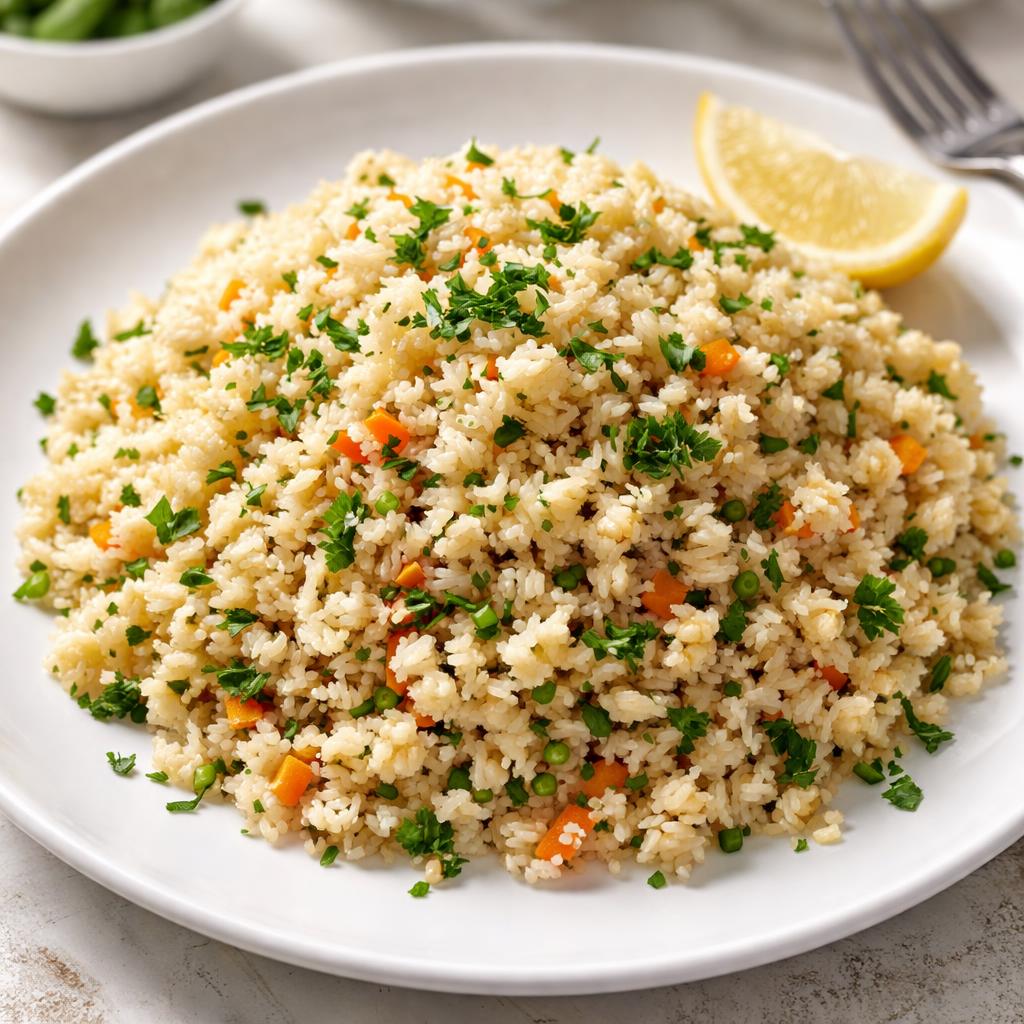
Cauliflower Rice
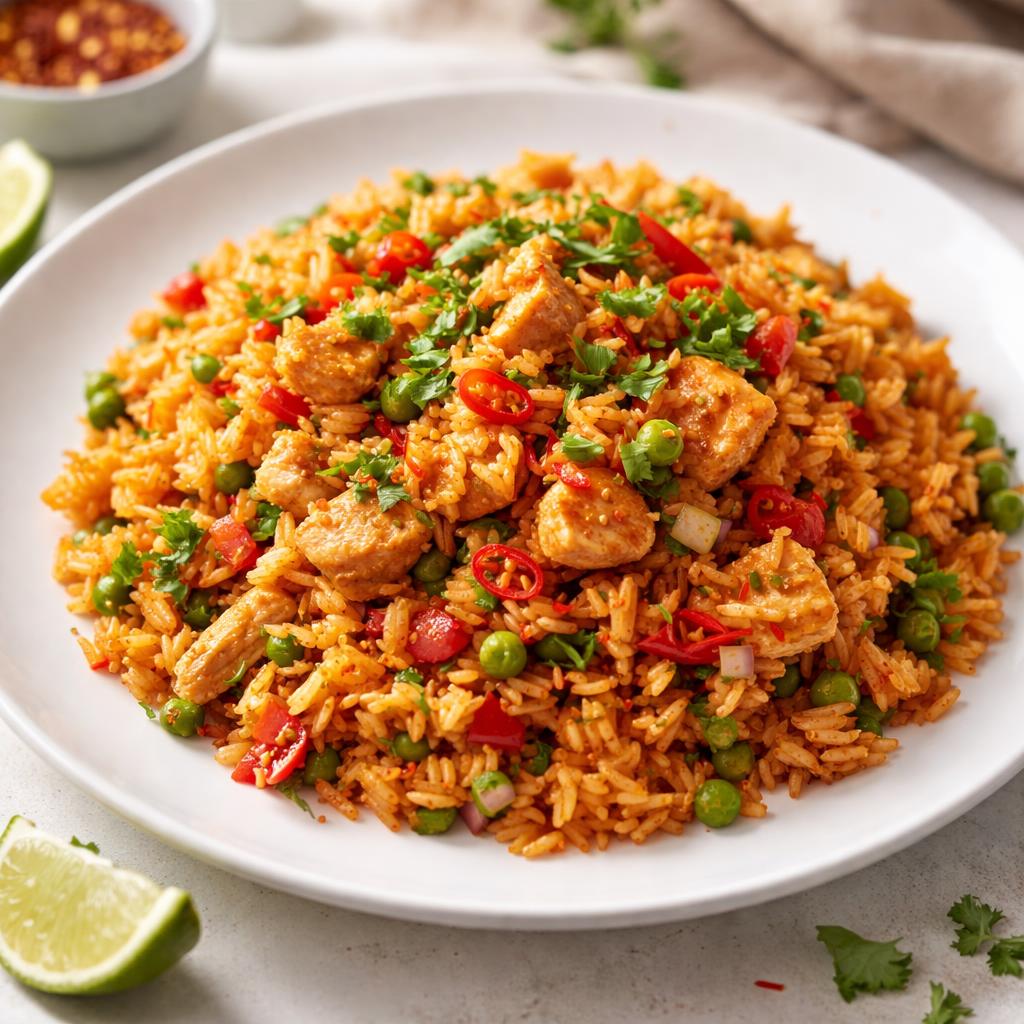
Spicy Rice
🎯 Quick Verdict
Cauliflower rice is significantly lower in calories with just 25 per cup versus 200 in spicy rice, making it ideal for weight loss and low-carb diets. While spicy rice has slightly more fiber and flavor due to added spices and ingredients, cauliflower rice is more nutrient-dense and versatile for dietary restrictions. Both options are vegan and gluten-free but differ in specific health benefits.

Smart Nutrition Tracking with SnapCalorie

📊 Nutritional Comparison
Macronutrients
| Nutrient | Food 1 | Food 2 | Winner |
|---|---|---|---|
| Calories | 25 | 200 | ✓ |
| Protein | 2g | 2g | − |
| Carbs | 5g | 45g | ✓ |
| Fat | 0.5g | 4g | ✓ |
| Fiber | 2g | 3g | ✓ |
Vitamins & Minerals
| Nutrient | Food 1 | Food 2 | Winner |
|---|---|---|---|
| Vitamin C | 28mg | 0mg | ✓ |
| Vitamin K | 17mcg | 2mcg | ✓ |
| Potassium | 300mg | 70mg | ✓ |
🏆 Category Winners
Protein
Both foods contain 2g of protein per serving.
Fiber
Spicy rice provides slightly more fiber per serving (3g vs 2g).
Calories
Cauliflower rice has 87.5% fewer calories.
Vitamins
Cauliflower rice is richer in vitamin C, vitamin K, and potassium.
🥗 Diet Compatibility
Keto
Food 1: Compatible
Food 2: Not Compatible
Food1 is low-carb and suitable for a ketogenic diet, while food2 is much higher in carbohydrates.
Vegan
Food 1: Compatible
Food 2: Compatible
Both options are plant-based with no animal products.
Gluten Free
Food 1: Compatible
Food 2: Compatible
Neither food contains gluten.
Paleo
Food 1: Compatible
Food 2: Not Compatible
Cauliflower rice fits the paleo diet, while spicy rice often includes processed ingredients not considered paleo-friendly.
Low Carb
Food 1: Compatible
Food 2: Not Compatible
Cauliflower rice contains only 5g of carbs per cup, making it ideal for low-carb diets.
💪 Health Benefits Comparison
Food 1 Benefits
- Low in calories, supporting weight loss and calorie control
- High in vitamin C for immune health
- Rich in potassium, promoting heart and muscle function
- Fits various dietary restrictions, including keto and paleo
Food 2 Benefits
- Contains moderate levels of fiber for supporting digestion
- Provides flavorful spices that may boost metabolism
- Provides sustained energy through its higher carbohydrate content
- Sympathetic to vegan and gluten-free lifestyles
✅ The Bottom Line
Choose cauliflower rice for weight loss, low-carb, and keto-friendly diets, or if you need a nutrient-dense option that's also paleo-compatible. Opt for spicy rice if you prefer more flavor, slightly higher fiber content, or need a carbohydrate-rich food for sustained energy.
Choose Food 1 for: Weight loss, keto, paleo, low-calorie diets
Choose Food 2 for: High-energy meals, flavor variety, digestion support


