Cauliflower Rice VS Spanish Rice
A detailed nutritional comparison
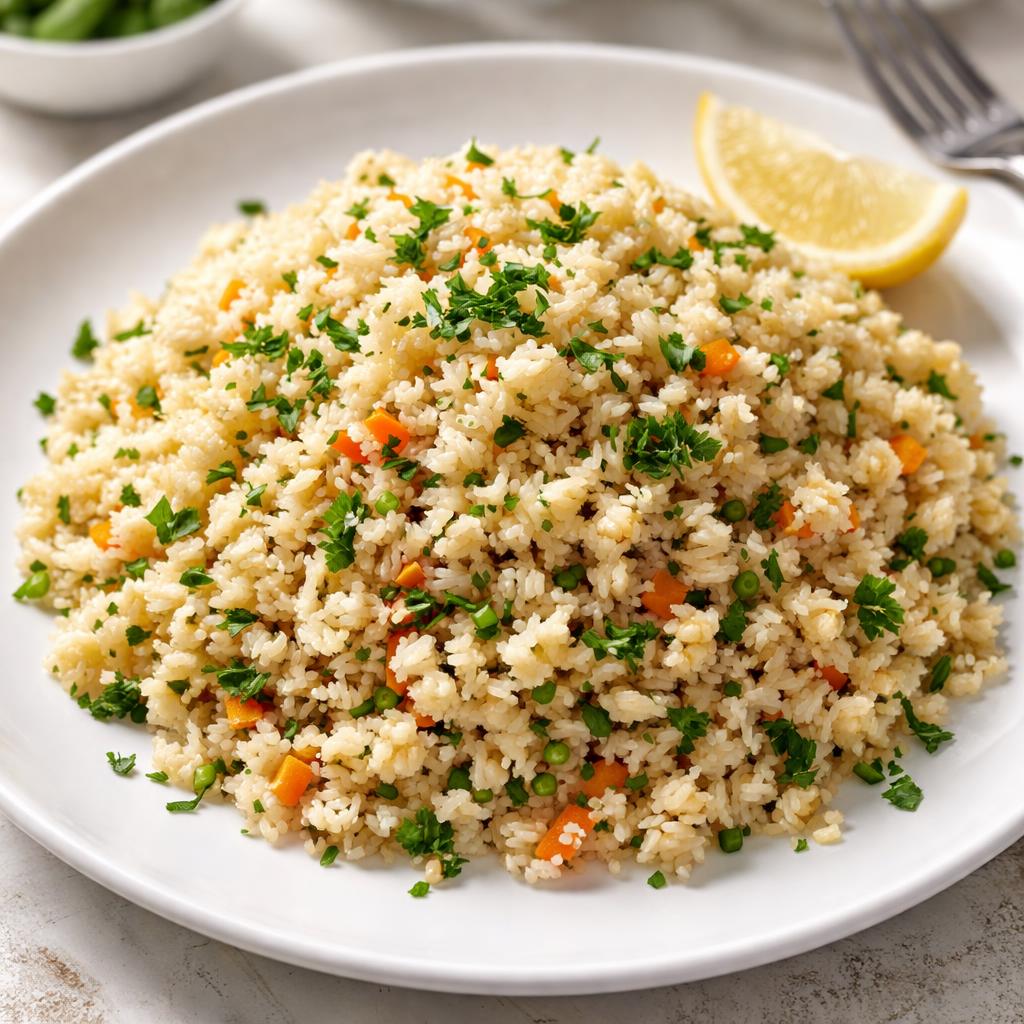
Cauliflower Rice
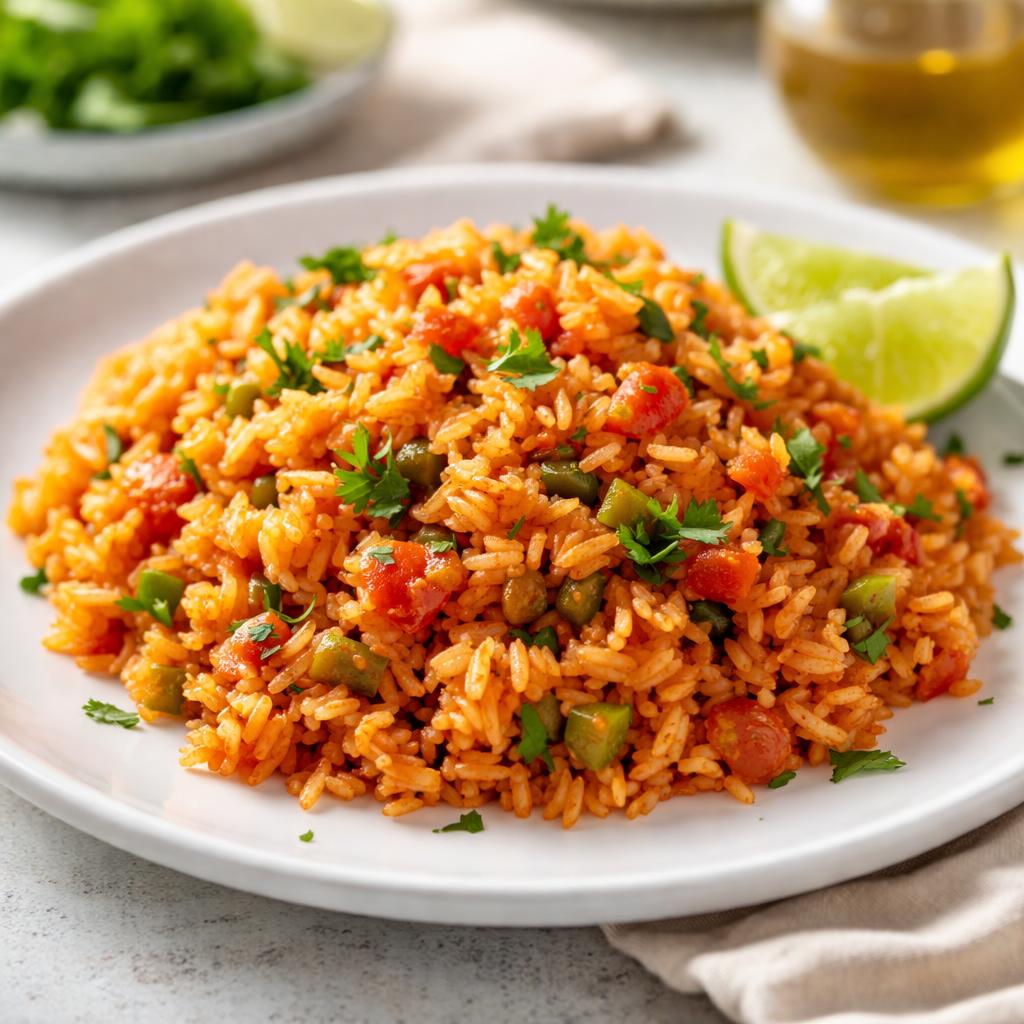
Spanish Rice
🎯 Quick Verdict
Cauliflower rice emerges as the winner due to its lower calorie count, higher fiber, and compatibility with various diets. Spanish rice is higher in carbs and calories, but provides more flavor and energy for active lifestyles or comfort meals.

Smart Nutrition Tracking with SnapCalorie

📊 Nutritional Comparison
Macronutrients
| Nutrient | Food 1 | Food 2 | Winner |
|---|---|---|---|
| Calories | 25 (per cup) | 200 (per cup) | ✓ |
| Protein | 2g | 2g | − |
| Carbs | 5g | 40g | ✓ |
| Fat | 0g | 5g | ✓ |
| Fiber | 2g | 1g | ✓ |
Vitamins & Minerals
| Nutrient | Food 1 | Food 2 | Winner |
|---|---|---|---|
| Vitamin C | 48mg | 0mg | ✓ |
| Potassium | 170mg | 150mg | ✓ |
| Vitamin A | 0mcg | 20mcg | ✓ |
🏆 Category Winners
Protein
Both cauliflower rice and Spanish rice provide 2g of protein per serving.
Fiber
Cauliflower rice offers 2g fiber per cup, compared to Spanish rice's 1g, making it more beneficial for digestion.
Calories
At just 25 calories per cup, cauliflower rice is significantly lighter than Spanish rice's 200 calories per cup.
🥗 Diet Compatibility
Keto
Food 1: Compatible
Food 2: Not Compatible
Cauliflower rice is low in carbs (5g/cup), while Spanish rice is high-carb (40g/cup).
Vegan
Food 1: Compatible
Food 2: Compatible
Both are plant-based foods.
Gluten Free
Food 1: Compatible
Food 2: Compatible
Neither food contains gluten.
Paleo
Food 1: Compatible
Food 2: Not Compatible
Cauliflower rice meets paleo guidelines, while Spanish rice does not because it includes grains.
Low-Carb
Food 1: Compatible
Food 2: Not Compatible
Cauliflower rice is low-carb with 5g per serving, contrasting Spanish rice's 40g per serving.
💪 Health Benefits Comparison
Food 1 Benefits
- Low in calories, supporting weight loss
- Rich in vitamin C for immune health
- High fiber content aids digestive health
- Low-carb and keto-friendly
Food 2 Benefits
- Provides sustained energy from complex carbohydrates
- Contains small amounts of Vitamin A for eye health
- Flavorful source of nutrients in comfort meals
- Can promote satiety as part of a higher-calorie meal
✅ The Bottom Line
Choose cauliflower rice for weight loss, low-carb diets, and boosting fiber intake. Spanish rice is a better option for higher energy needs and a flavorful accompaniment to meals. Cauliflower rice aligns well with restrictive diets like keto and paleo, while Spanish rice fits comfort meals or active lifestyles.
Choose Food 1 for: Low-calorie meals, weight loss, keto or paleo diets, fiber-rich meals
Choose Food 2 for: Comfort meals, active lifestyles requiring carb-based energy, flavor-focused dishes


