Cauliflower Rice VS Shirataki Rice
A detailed nutritional comparison
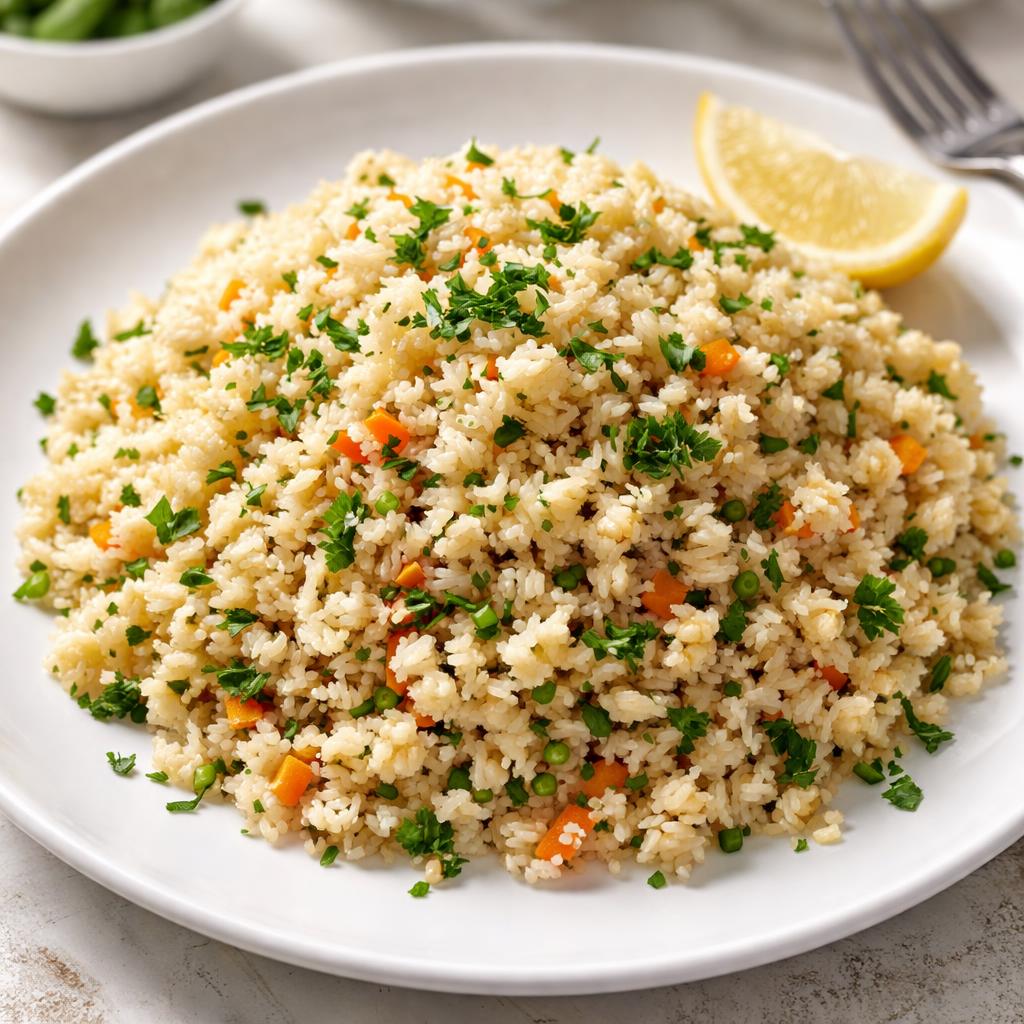
Cauliflower Rice
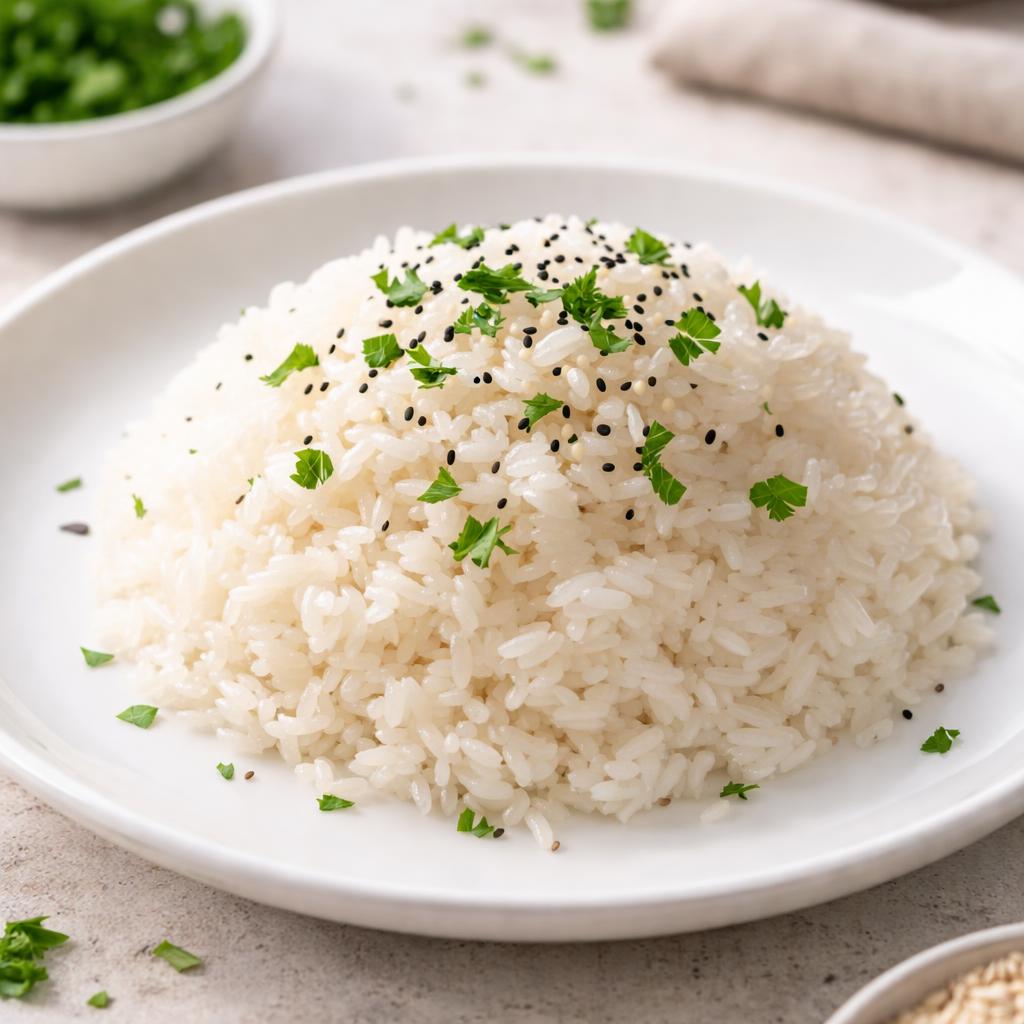
Shirataki Rice
🎯 Quick Verdict
Cauliflower rice is higher in nutrients like protein, fiber, and vitamins, while shirataki rice is almost zero-calorie and carb-free due to its high water content. Cauliflower rice is best for nutrient density, whereas shirataki rice is ideal for ultra low-calorie diets and managing blood sugar levels.

Smart Nutrition Tracking with SnapCalorie

📊 Nutritional Comparison
Macronutrients
| Nutrient | Food 1 | Food 2 | Winner |
|---|---|---|---|
| Calories | 25 | 10 | − |
| Protein | 2g | 0g | ✓ |
| Carbs | 5g | 1g | ✓ |
| Fat | 0g | 0g | − |
| Fiber | 2g | 1g | ✓ |
Vitamins & Minerals
| Nutrient | Food 1 | Food 2 | Winner |
|---|---|---|---|
| Vitamin C | 35mg | 0mg | ✓ |
| Vitamin K | 16mcg | 0mcg | ✓ |
| Calcium | 20mg | 40mg | ✓ |
| Iron | 0.3mg | 0mg | ✓ |
🏆 Category Winners
Protein
Cauliflower rice contains measurable protein (2g per serving), whereas shirataki rice has none.
Fiber
Cauliflower rice is higher in fiber, providing double the amount (2g vs 1g).
Calories
Both foods are extremely low-calorie, making them excellent for calorie-conscious diets.
🥗 Diet Compatibility
Keto
Food 1: Compatible
Food 2: Compatible
Both foods are low in carbs and can fit easily into ketogenic diets.
Vegan
Food 1: Compatible
Food 2: Compatible
Both are plant-based and suitable for vegan diets.
Gluten Free
Food 1: Compatible
Food 2: Compatible
Neither contains gluten, making them safe for gluten-free diets.
Paleo
Food 1: Compatible
Food 2: Not Compatible
Cauliflower rice aligns with paleo principles, but shirataki rice does not.
Low-Carb
Food 1: Moderately Compatible
Food 2: Highly Compatible
Shirataki rice is ideal for very low-carb diets, as it has almost no carbs, whereas cauliflower rice has 5g per serving.
💪 Health Benefits Comparison
Food 1 Benefits
- Rich in antioxidants like Vitamin C for immune support
- Contains fiber to promote digestive health
- Low-calorie and versatile substitute for high-carb grains
- Includes phytonutrients that may help reduce inflammation
Food 2 Benefits
- Extremely low-calorie option for weight management
- Gel-like fiber from glucomannan helps with digestion and satiety
- Regulates blood sugar levels due to negligible carbohydrates
- Hydrating due to high water content (97%)
✅ The Bottom Line
Choose cauliflower rice for nutrient density, fiber, and versatility in recipes; it's ideal for balanced low-carb meals and nutritional variety. Opt for shirataki rice when focusing on ultra low-calorie intake and managing cravings without carbs—perfect for strict keto or low-calorie diets.
Choose Food 1 for: Balanced low-carb meals, nutrient density, meal variety
Choose Food 2 for: Strict keto, ultra low-calorie diets, blood sugar regulation


