Cauliflower Rice VS Seed Bread
A detailed nutritional comparison
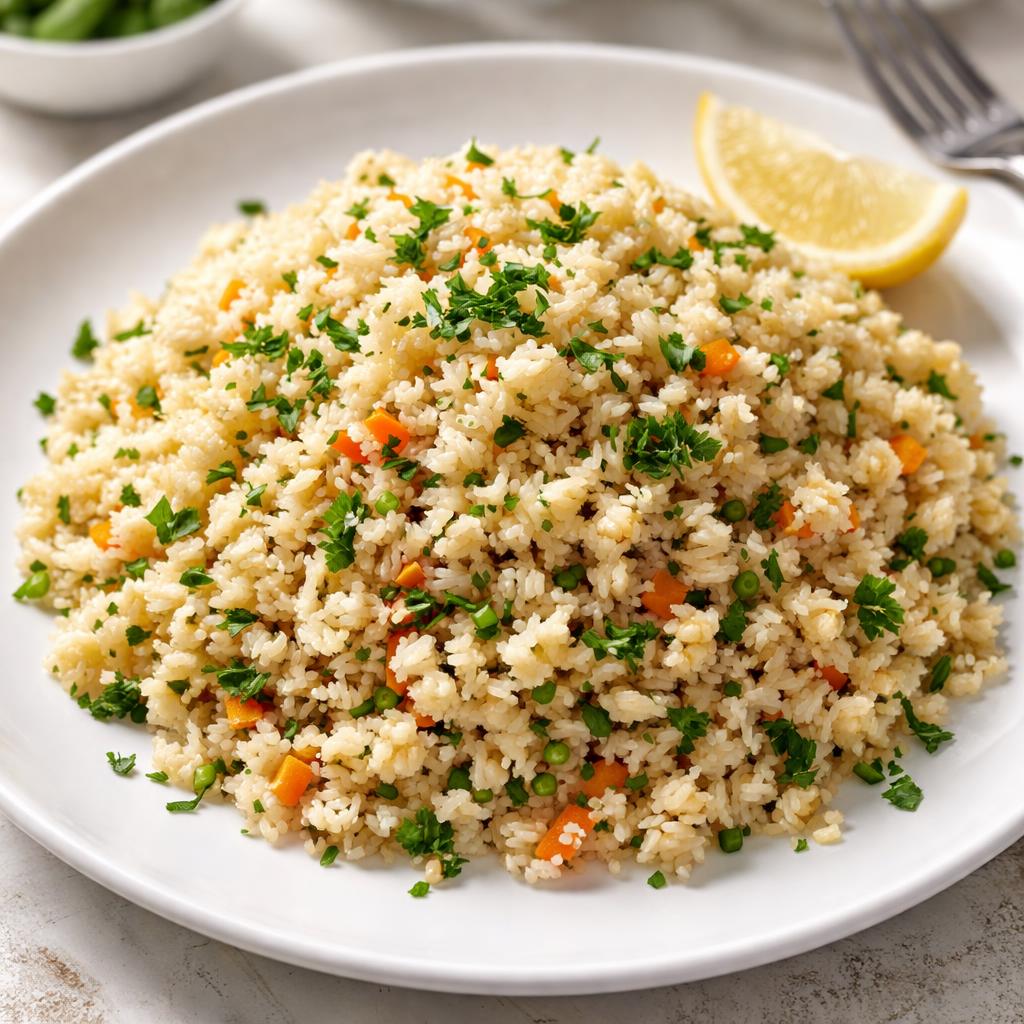
Cauliflower Rice
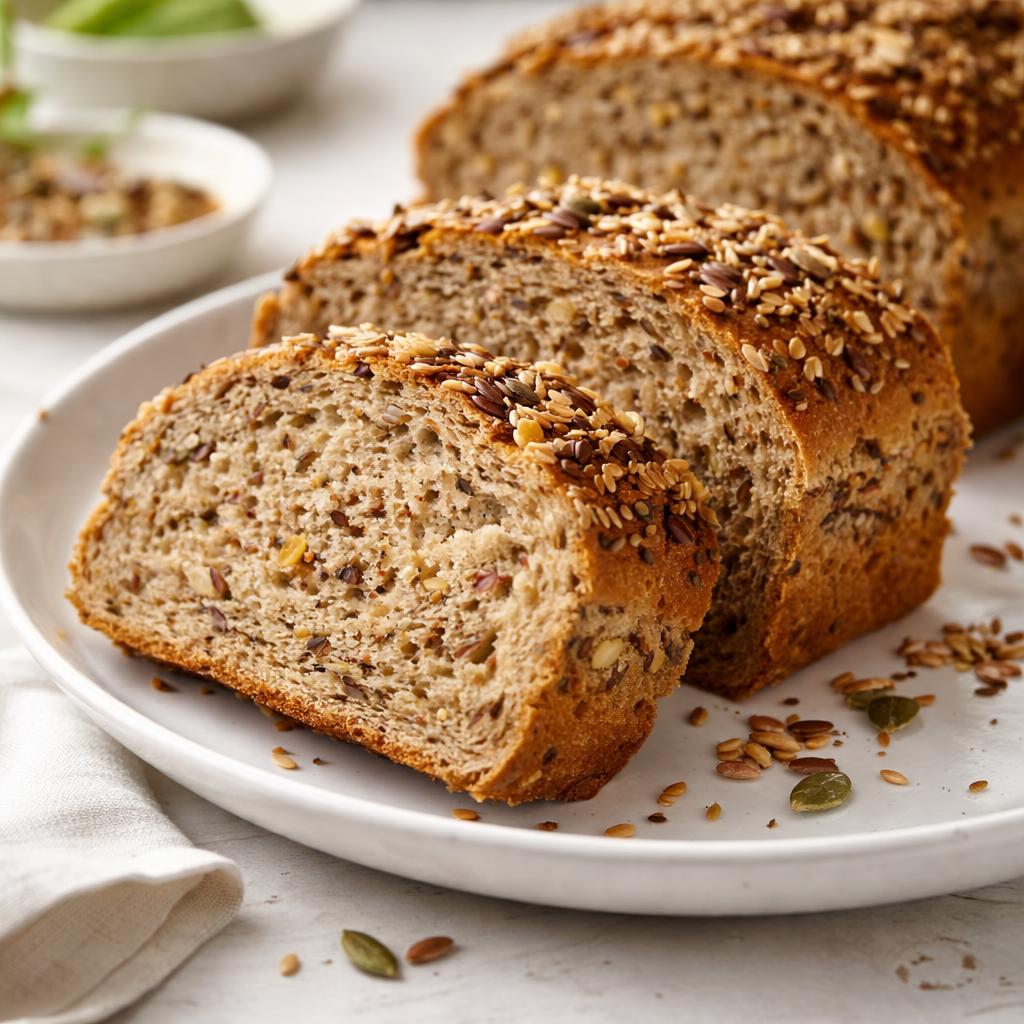
Seed Bread
🎯 Quick Verdict
Cauliflower rice and seed bread cater to different needs. Cauliflower rice is very low-calorie and carb-light, ideal for weight loss and low-carb diets. Seed bread, on the other hand, excels in protein and fiber, making it a nutrient-dense option for sustained energy and digestive health. Both are versatile and fit into various dietary plans, depending on nutritional priorities.

Smart Nutrition Tracking with SnapCalorie

📊 Nutritional Comparison
Macronutrients
| Nutrient | Food 1 | Food 2 | Winner |
|---|---|---|---|
| Calories | 25 | 200 | ✓ |
| Protein | 2g | 8g | ✓ |
| Carbs | 5g | 12g | ✓ |
| Fat | 0g | 10g | ✓ |
| Fiber | 2g | 5g | ✓ |
Vitamins & Minerals
| Nutrient | Food 1 | Food 2 | Winner |
|---|---|---|---|
| Vitamin C | 48mg | 0mg | ✓ |
| Calcium | 20mg | 150mg | ✓ |
| Iron | 0.5mg | 2mg | ✓ |
🏆 Category Winners
Protein
Seed bread contains 4x more protein than cauliflower rice.
Fiber
Seed bread has 2.5x more fiber, supporting digestive health.
Calories
Cauliflower rice has far fewer calories, ideal for weight management.
Vitamins
Cauliflower rice offers significantly more vitamin C.
🥗 Diet Compatibility
Keto
Food 1: Compatible
Food 2: Compatible
Both are low in carbs and high in fiber (seed bread's carbs primarily come from seeds).
Vegan
Food 1: Compatible
Food 2: Compatible
Both are plant-based options.
Gluten Free
Food 1: Compatible
Food 2: Depends
Cauliflower rice is inherently gluten-free, whereas seed bread must be checked for gluten-free certification.
Paleo
Food 1: Compatible
Food 2: Compatible
Both can fit into paleo diets if seed bread excludes non-paleo grains.
Low-Carb
Food 1: Compatible
Food 2: Compatible
Both foods are low in digestible carbohydrates.
💪 Health Benefits Comparison
Food 1 Benefits
- Extremely low calorie, perfect for weight loss
- Good source of vitamin C, supports immunity and skin health
- Low-carb alternative for those managing blood sugar levels
- Hydrating and light for digestive comfort
Food 2 Benefits
- Rich in protein for muscle growth and repair
- High in dietary fiber, promotes digestive health
- Provides healthy fats for heart and brain support
- Contains essential minerals like iron and calcium for bone health
✅ The Bottom Line
Choose cauliflower rice for a low-calorie, low-carb option to support weight loss and light meals. Opt for seed bread if you're looking for a nutrient-dense choice rich in protein, fiber, and healthy fats, ideal for sustained energy and overall health. Both foods can complement different dietary plans effectively.
Choose Food 1 for: Weight loss, low-carb diets, light meals, vitamin C boost
Choose Food 2 for: Sustained energy, nutrient density, digestive health, protein boost


