Cauliflower Rice VS Rice Bowl
A detailed nutritional comparison
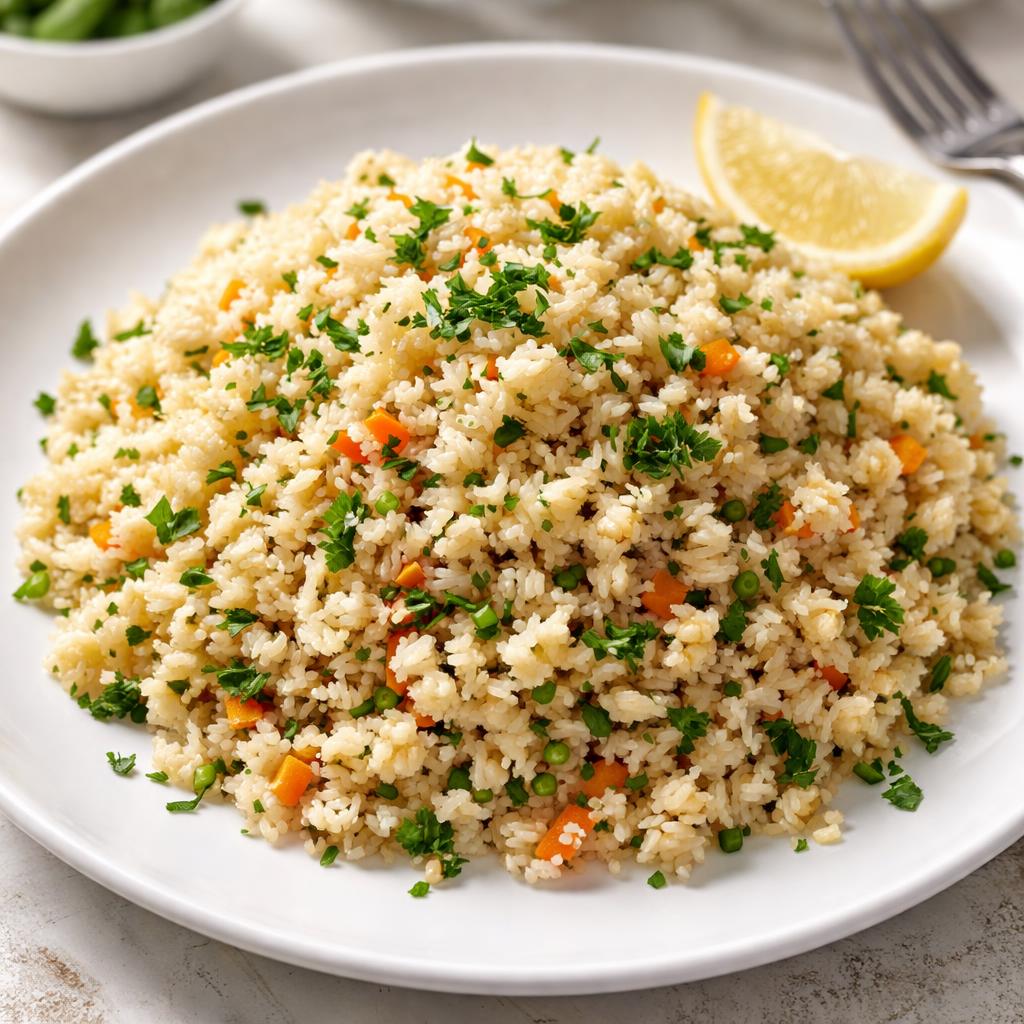
Cauliflower Rice
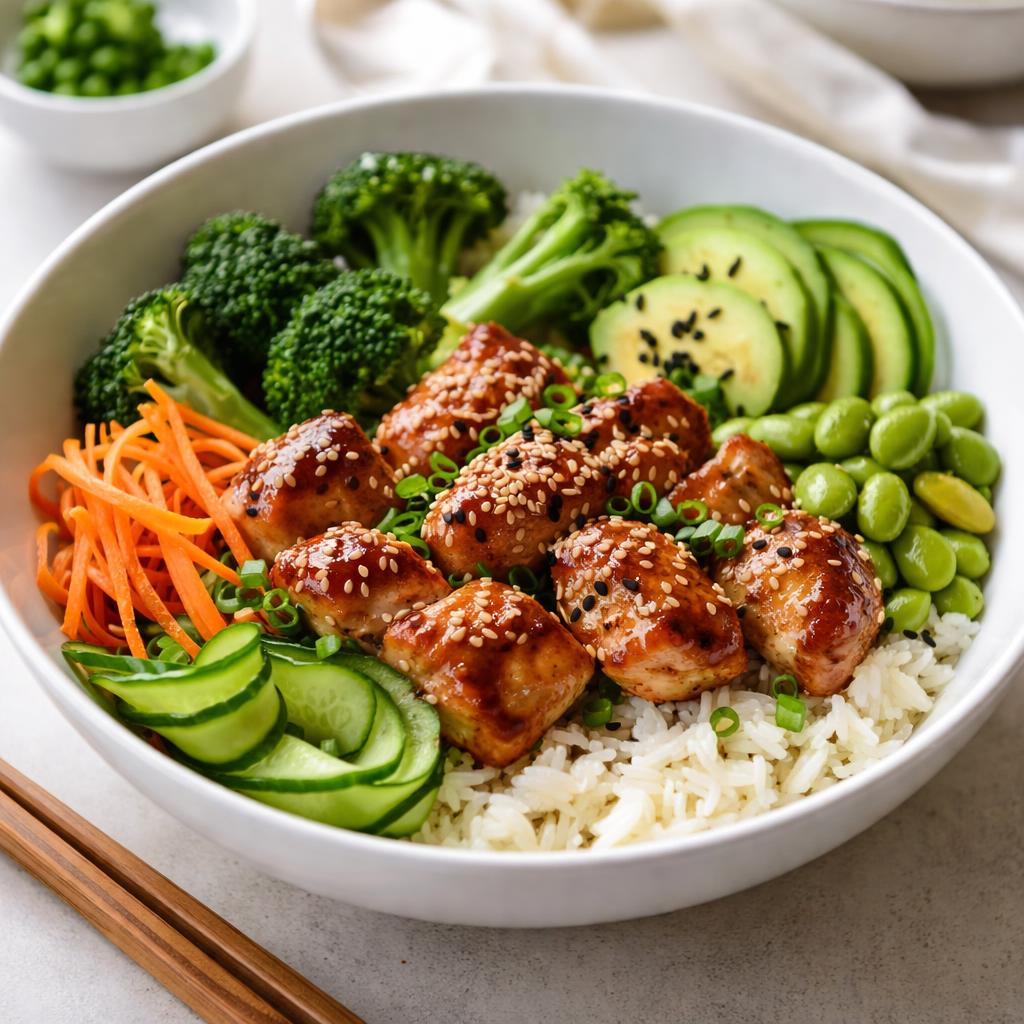
Rice Bowl
🎯 Quick Verdict
Cauliflower rice and rice bowl have significant differences in calories and carb content. Cauliflower rice is much lower in calories and carbs, making it suitable for weight loss and low-carb diets, while rice bowls are nutrient-dense and provide more energy for high-activity individuals. Both are versatile depending on dietary goals and preferences.

Smart Nutrition Tracking with SnapCalorie

📊 Nutritional Comparison
Macronutrients
| Nutrient | Food 1 | Food 2 | Winner |
|---|---|---|---|
| Calories | 25 | 250 | ✓ |
| Protein | 2g | 2g | − |
| Carbs | 5g | 52g | ✓ |
| Fat | 0g | 2g | ✓ |
| Fiber | 2g | 0.6g | ✓ |
Vitamins & Minerals
| Nutrient | Food 1 | Food 2 | Winner |
|---|---|---|---|
| Vitamin C | 30mg | 0mg | ✓ |
| Vitamin D | 0mcg | 0mcg | − |
| Calcium | 20mg | 10mg | ✓ |
| Iron | 0.4mg | 0.2mg | ✓ |
🏆 Category Winners
Protein
Both contain equivalent protein content of 2g per serving.
Fiber
Cauliflower rice has over three times the fiber of rice bowl (2g vs 0.6g).
Calories
Cauliflower rice has 90% fewer calories (25 vs 250).
Vitamins
Cauliflower rice is richer in vitamin C, calcium, and iron compared to rice bowl.
🥗 Diet Compatibility
Keto
Food 1: Compatible
Food 2: Not Compatible
Cauliflower rice is low-carb and keto-friendly.
Vegan
Food 1: Compatible
Food 2: Compatible
Both are plant-based and suitable for vegan diets.
Gluten Free
Food 1: Compatible
Food 2: Compatible
Neither contains gluten.
Paleo
Food 1: Compatible
Food 2: Not Compatible
Cauliflower rice aligns with paleo guidelines, whereas rice does not.
Low-Carb
Food 1: Compatible
Food 2: Not Compatible
Rice bowl is high-carb, whereas cauliflower rice is low-carb (5g per serving).
💪 Health Benefits Comparison
Food 1 Benefits
- Low in calories, supports weight loss.
- Rich in vitamin C for immune health.
- Good source of fiber for digestion.
- May help maintain healthy blood sugar levels due to low carb content.
Food 2 Benefits
- Provides sustained energy from complex carbs.
- Contains small amounts of healthy fats for heart health.
- Offers high calorie density, beneficial for active individuals.
- Easily digestible, making it suitable for recovery meals.
✅ The Bottom Line
Choose cauliflower rice for weight loss, low-carb, or keto diets, and rice bowl for sustained energy during active days or carb loading. Cauliflower rice is ideal for light meals and digestion support, while rice bowl works well for high-calorie meals and fueling workouts.
Choose Food 1 for: Low-carb meals, weight loss, keto-friendly diets
Choose Food 2 for: High-energy meals, moderate to high-carb diets, endurance athletes


