Cauliflower Rice VS Cooked Quinoa
A detailed nutritional comparison
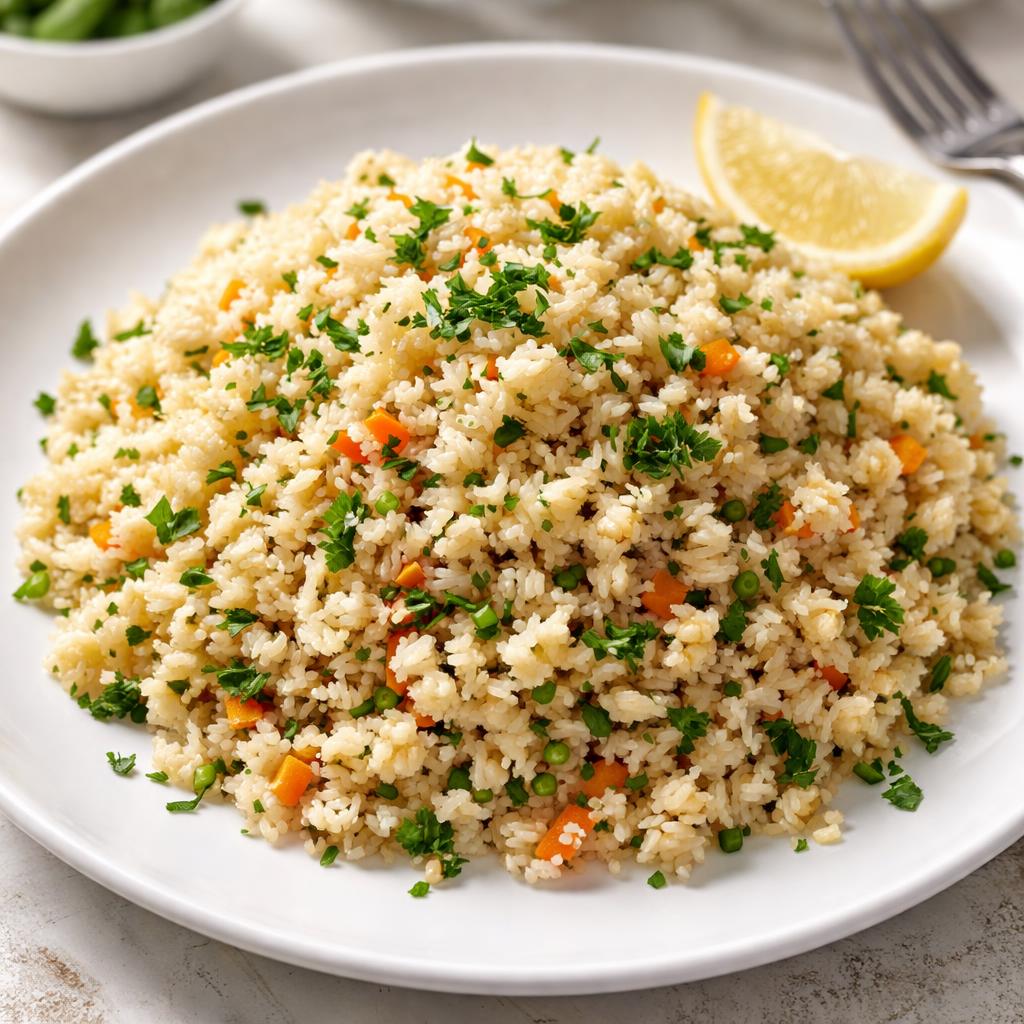
Cauliflower Rice
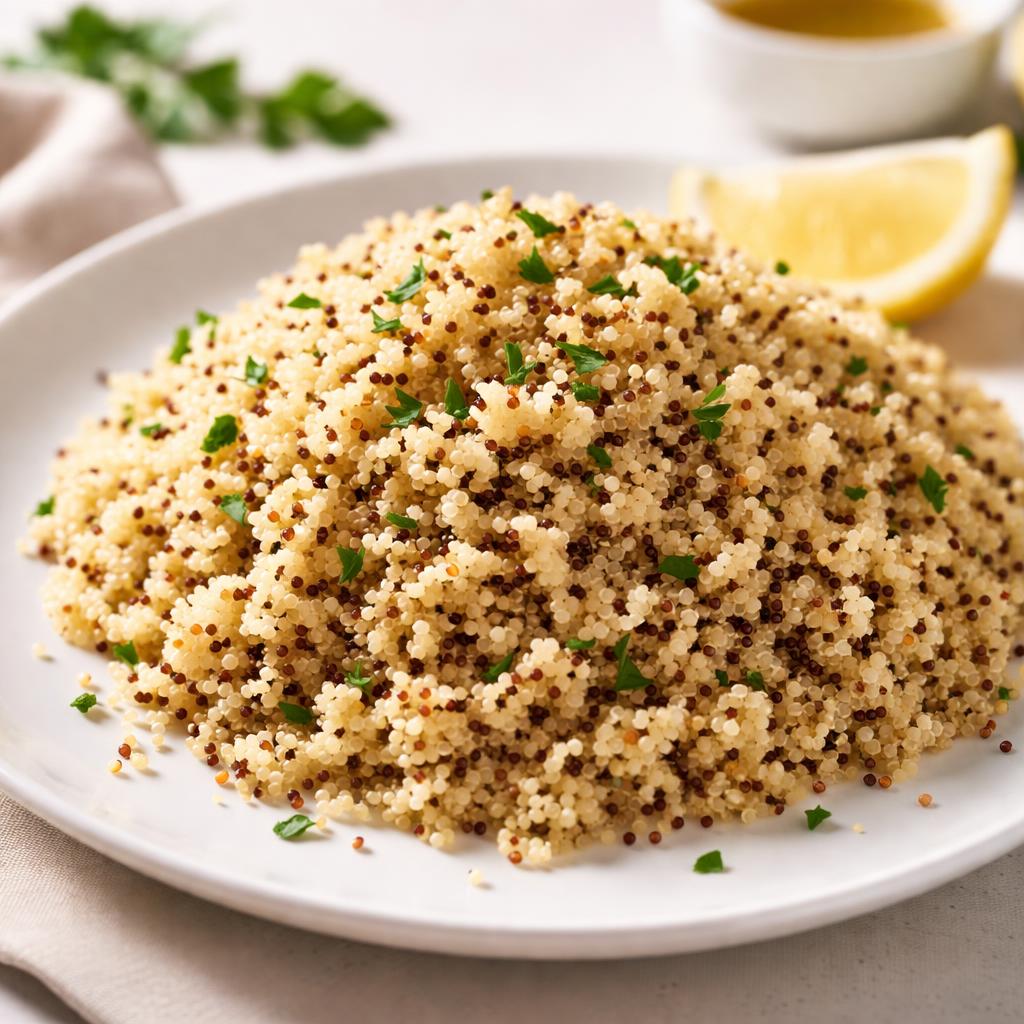
Cooked Quinoa
🎯 Quick Verdict
Cauliflower rice is significantly lower in calories and carbs, making it ideal for weight management and low-carb diets. Cooked quinoa, while higher in calories, offers more protein and fiber, making it a better choice for sustained energy and nutrient density. Both are gluten-free and versatile for different recipes.

Smart Nutrition Tracking with SnapCalorie

📊 Nutritional Comparison
Macronutrients
| Nutrient | Food 1 | Food 2 | Winner |
|---|---|---|---|
| Calories | 25 calories (per 100g) | 120 calories (per 100g) | ✓ |
| Protein | 2g | 4g | ✓ |
| Carbs | 5g | 21g | ✓ |
| Fat | 0.2g | 2g | ✓ |
| Fiber | 2g | 2.5g | ✓ |
Vitamins & Minerals
| Nutrient | Food 1 | Food 2 | Winner |
|---|---|---|---|
| Vitamin C | 48.2mg | 0mg | ✓ |
| Calcium | 22mg | 17mg | ✓ |
| Iron | 0.4mg | 1.5mg | ✓ |
🏆 Category Winners
Protein
Cooked quinoa provides twice the protein compared to cauliflower rice.
Fiber
Quinoa is 25% higher in fiber than cauliflower rice.
Calories
Cauliflower rice has 80% fewer calories than quinoa per serving.
Vitamins
Cauliflower rice is rich in vitamin C and offers slightly more calcium.
🥗 Diet Compatibility
Keto
Food 1: Compatible
Food 2: Not Compatible
Cauliflower rice is low-carb with only 5g carbs per serving, while quinoa is higher in carbs.
Vegan
Food 1: Compatible
Food 2: Compatible
Both are plant-based and fit vegan diets.
Gluten Free
Food 1: Compatible
Food 2: Compatible
Neither food contains gluten.
Paleo
Food 1: Compatible
Food 2: Not Compatible
Cauliflower rice fits the paleo diet, while quinoa does not as it is a seed often excluded from paleo diets.
Low Carb
Food 1: Compatible
Food 2: Not Compatible
Cauliflower rice is extremely low in carbs compared to quinoa.
💪 Health Benefits Comparison
Food 1 Benefits
- Low in calories for weight management
- Rich in vitamin C, supporting immune health
- Provides a gluten-free, low-carb alternative to grains
- Supports digestion due to fiber content
Food 2 Benefits
- Good source of plant-based protein
- Rich in fiber for digestive health
- Contains essential minerals (iron, magnesium)
- Helps provide sustained energy due to complex carbs
✅ The Bottom Line
Choose cauliflower rice for its low calorie and carb content, making it excellent for weight loss, keto, and paleo diets. Opt for cooked quinoa when you need more protein, fiber, and sustained energy, particularly as part of a vegetarian or nutrient-rich meal plan.
Choose Food 1 for: Weight loss, low-carb diets, paleo recipes
Choose Food 2 for: Vegetarian meals, high-energy diets, nutrient-dense alternatives to refined grains


