Buckwheat VS Wholemeal Bread
A detailed nutritional comparison
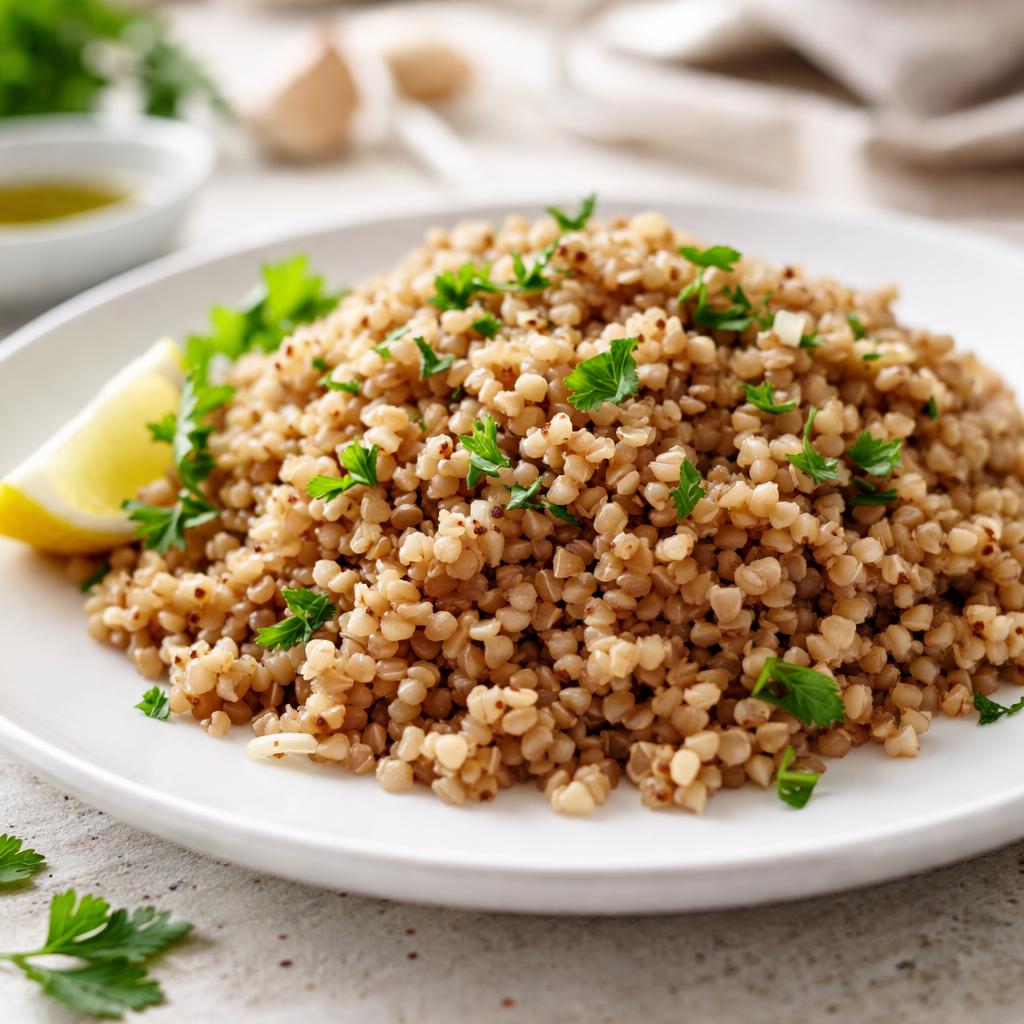
Buckwheat
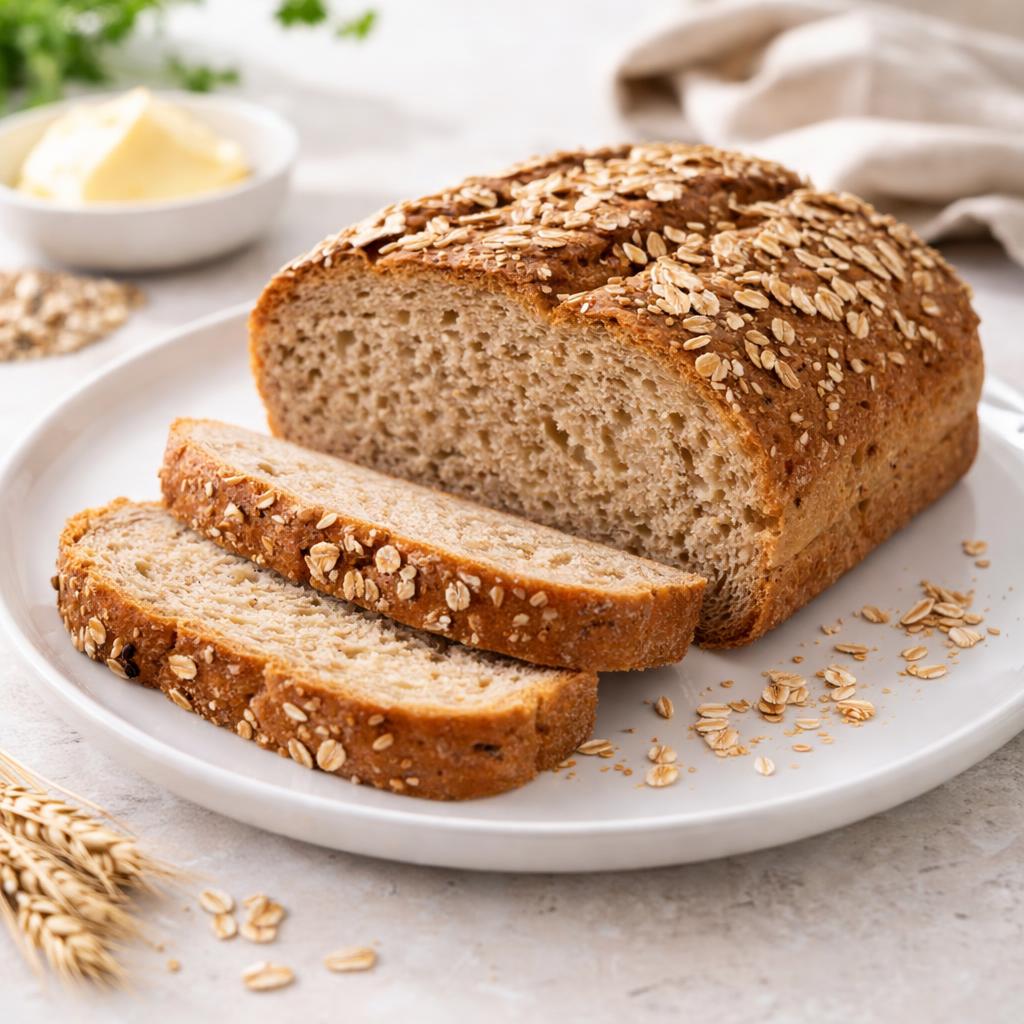
Wholemeal Bread
🎯 Quick Verdict
Buckwheat and wholemeal bread have distinct nutritional profiles. Buckwheat is gluten-free and offers higher minerals and diverse health benefits, while wholemeal bread provides more protein and fiber per serving, making it better for energy and digestion needs. Buckwheat is ideal for those with gluten intolerance or looking for a low-carb grain alternative, while wholemeal bread suits general balanced diets focused on protein and fiber intake.

Smart Nutrition Tracking with SnapCalorie

📊 Nutritional Comparison
Macronutrients
| Nutrient | Food 1 | Food 2 | Winner |
|---|---|---|---|
| Calories | 343 per 100g | 246 per 100g | − |
| Protein | 13g per 100g | 12g per 100g | − |
| Carbs | 71.5g per 100g | 43g per 100g | − |
| Fat | 3.4g per 100g | 2g per 100g | − |
| Fiber | 10g per 100g | 12g per 100g | − |
Vitamins & Minerals
| Nutrient | Food 1 | Food 2 | Winner |
|---|---|---|---|
| Vitamin B6 | 0.21mg per 100g | 0.12mg per 100g | − |
| Iron | 2.2mg per 100g | 2.5mg per 100g | − |
| Magnesium | 231mg per 100g | 85mg per 100g | − |
| Calcium | 18mg per 100g | 40mg per 100g | − |
🏆 Category Winners
Protein
Wholemeal bread contains slightly more protein per serving, supporting muscle maintenance and higher energy needs.
Fiber
Wholemeal bread has higher dietary fiber, aiding in better digestion and satiety.
Calories
Both foods deliver similar calorie content per serving.
Vitamins
Buckwheat edges out with higher B6 and magnesium levels, contributing to energy and muscular health.
🥗 Diet Compatibility
Keto
Food 1: Not Compatible
Food 2: Not Compatible
Both foods contain high carbohydrates, making them unsuitable for a keto diet.
Vegan
Food 1: Compatible
Food 2: Compatible
Both are plant-based and fully suitable for vegan diets.
Gluten Free
Food 1: Compatible
Food 2: Not Compatible
Buckwheat is naturally gluten-free, whereas wholemeal bread contains gluten.
Paleo
Food 1: Compatible
Food 2: Not Compatible
Buckwheat is a pseudo-grain that fits paleo criteria, but bread is processed and not paleo-friendly.
Low-Carb
Food 1: Not Compatible
Food 2: Not Compatible
Both foods have relatively high carb contents and are not ideal for low-carb diets.
💪 Health Benefits Comparison
Food 1 Benefits
- Rich in magnesium, promoting strong bones and improved energy levels.
- Supports heart health with low cholesterol and nutrient density.
- Gluten-free alternative to grains for sensitive diets.
- Contains antioxidants, helping to reduce inflammation.
Food 2 Benefits
- High in dietary fiber for improved gut health.
- Source of plant-based protein promoting muscle growth.
- Rich in iron, contributing to oxygen transport in the body.
- Affordable source of complex carbohydrates to provide sustained energy.
✅ The Bottom Line
Buckwheat is a better choice for gluten-free diets, paleo enthusiasts, and those needing a magnesium-rich grain alternative. Wholemeal bread excels in general balanced meals, offering more fiber and protein for energy and fullness. Each food suits distinct nutritional priorities and dietary preferences.
Choose Food 1 for: Gluten-free, paleo-friendly diets; baking and porridges; magnesium-rich meals.
Choose Food 2 for: Balanced, fiber-rich diets; quick sandwiches; affordable and daily carbohydrates.


