Buckwheat VS Rice Flour
A detailed nutritional comparison
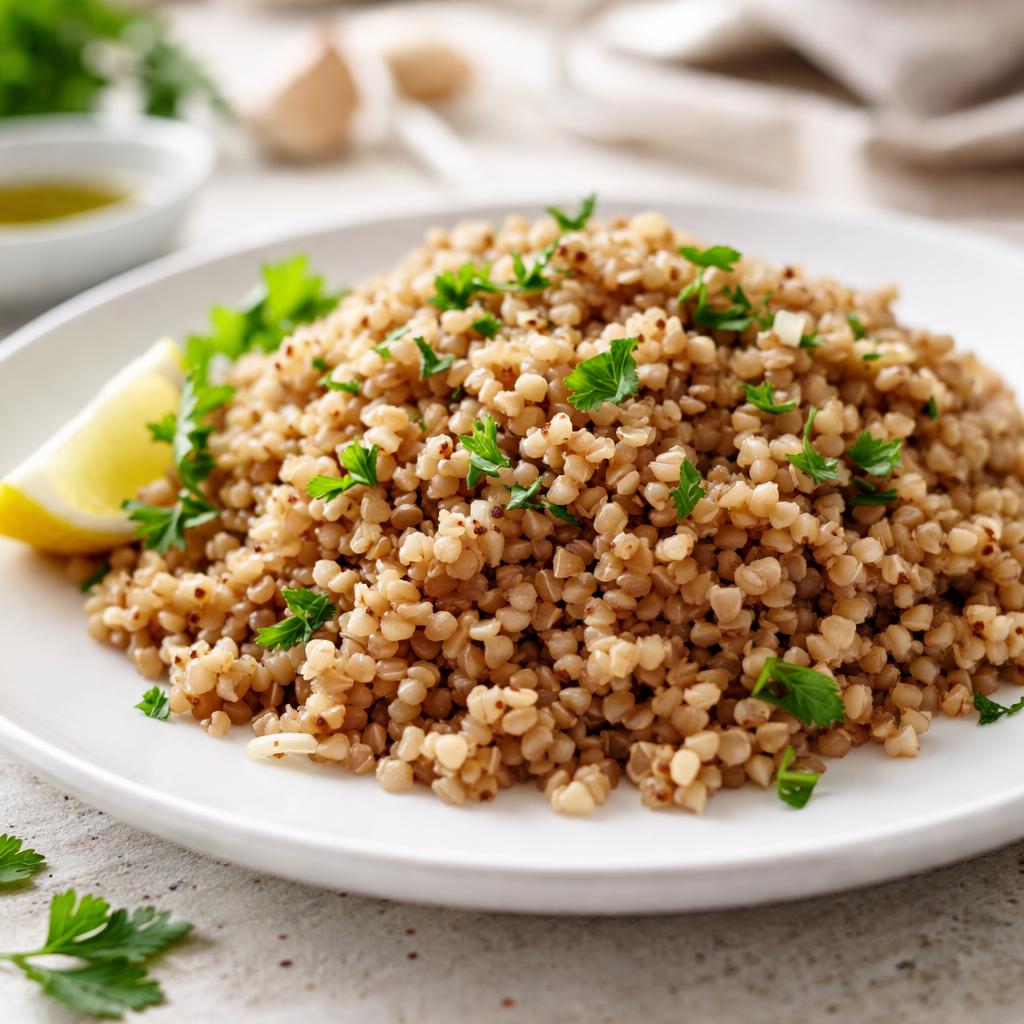
Buckwheat
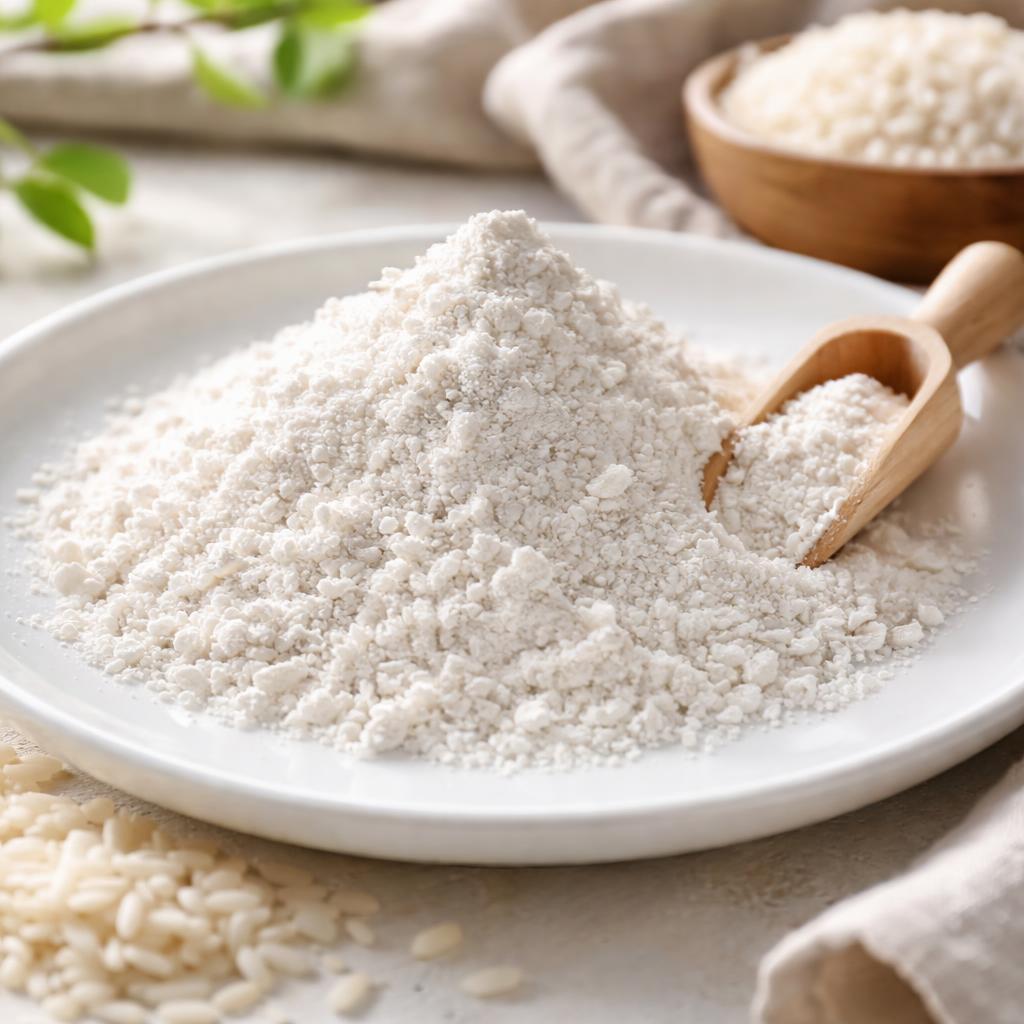
Rice Flour
🎯 Quick Verdict
Buckwheat (Food1) is nutritionally superior to rice flour (Food2) due to its higher protein, fiber, and micronutrient content. Rice flour, while offering a softer texture, is less nutrient-dense and primarily serves as a gluten-free carbohydrate source, ideal for baking and recipes. Buckwheat is especially suitable for those seeking nutrient-dense, fiber-rich options for sustained energy and digestive health.

Smart Nutrition Tracking with SnapCalorie

📊 Nutritional Comparison
Macronutrients
| Nutrient | Food 1 | Food 2 | Winner |
|---|---|---|---|
| Calories | 343 kcal | 366 kcal | ✓ |
| Protein | 13.3g | 6g | ✓ |
| Carbs | 71.5g | 80g | ✓ |
| Fat | 3.4g | 0.8g | ✓ |
| Fiber | 10g | 2g | ✓ |
Vitamins & Minerals
| Nutrient | Food 1 | Food 2 | Winner |
|---|---|---|---|
| Vitamin D | 0mcg | 0mcg | − |
| Calcium | 18mg | 12mg | ✓ |
| Iron | 2.2mg | 0.5mg | ✓ |
| Magnesium | 231mg | 34mg | ✓ |
🏆 Category Winners
Protein
Buckwheat contains over twice the protein compared to rice flour.
Fiber
Buckwheat offers five times more fiber than rice flour.
Calories
Buckwheat has fewer calories per serving, making it a better option for weight management.
Vitamins
Buckwheat has higher levels of key minerals like magnesium, iron, and calcium compared to rice flour.
🥗 Diet Compatibility
Keto
Food 1: Not Compatible
Food 2: Not Compatible
Both are high-carb foods and not suitable for keto diets.
Vegan
Food 1: Compatible
Food 2: Compatible
Both foods are plant-based and suitable for vegans.
Gluten Free
Food 1: Compatible
Food 2: Compatible
Neither contains gluten, making them suitable for gluten-free diets.
Paleo
Food 1: Compatible
Food 2: Compatible
Both are allowed in paleo diets as they are naturally gluten-free and unprocessed.
Low-Carb
Food 1: Not Compatible
Food 2: Not Compatible
Both foods are carbohydrate-dense, making them unsuitable for strict low-carb diets.
💪 Health Benefits Comparison
Food 1 Benefits
- Rich in protein, supporting muscle growth and repair.
- High fiber content for improved digestion and gut health.
- Good source of magnesium, aiding in energy metabolism and bone health.
- Contains antioxidants like rutin, promoting cardiovascular health.
Food 2 Benefits
- Light texture, ideal for gluten-free baking.
- Low fat content, suitable for low-fat meal plans.
- Easy to digest and provides quick energy due to its high carb content.
- Allergen-friendly as it is naturally gluten-free.
✅ The Bottom Line
Buckwheat is the clear winner in terms of nutrition, offering higher protein, fiber, and beneficial minerals. Choose buckwheat for nutrient density, digestive health, and sustained energy. Rice flour is better for baking and recipes requiring a mild, gluten-free carb source.
Choose Food 1 for: Fiber-rich diets, nutrient-dense meals, vegetarian protein, blood sugar management
Choose Food 2 for: Gluten-free pastries, low-fat recipes, quick energy in high-carb diets


