Buckwheat VS Cooked Quinoa
A detailed nutritional comparison
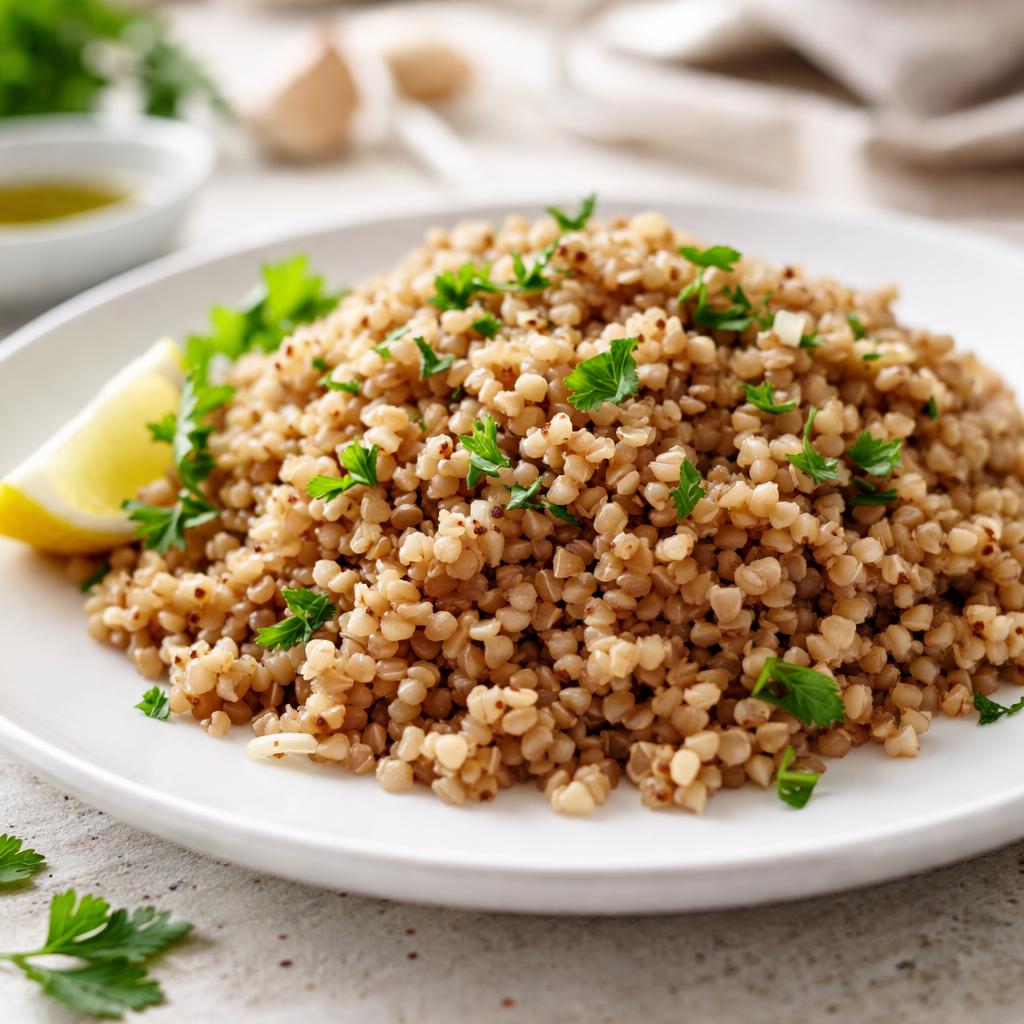
Buckwheat
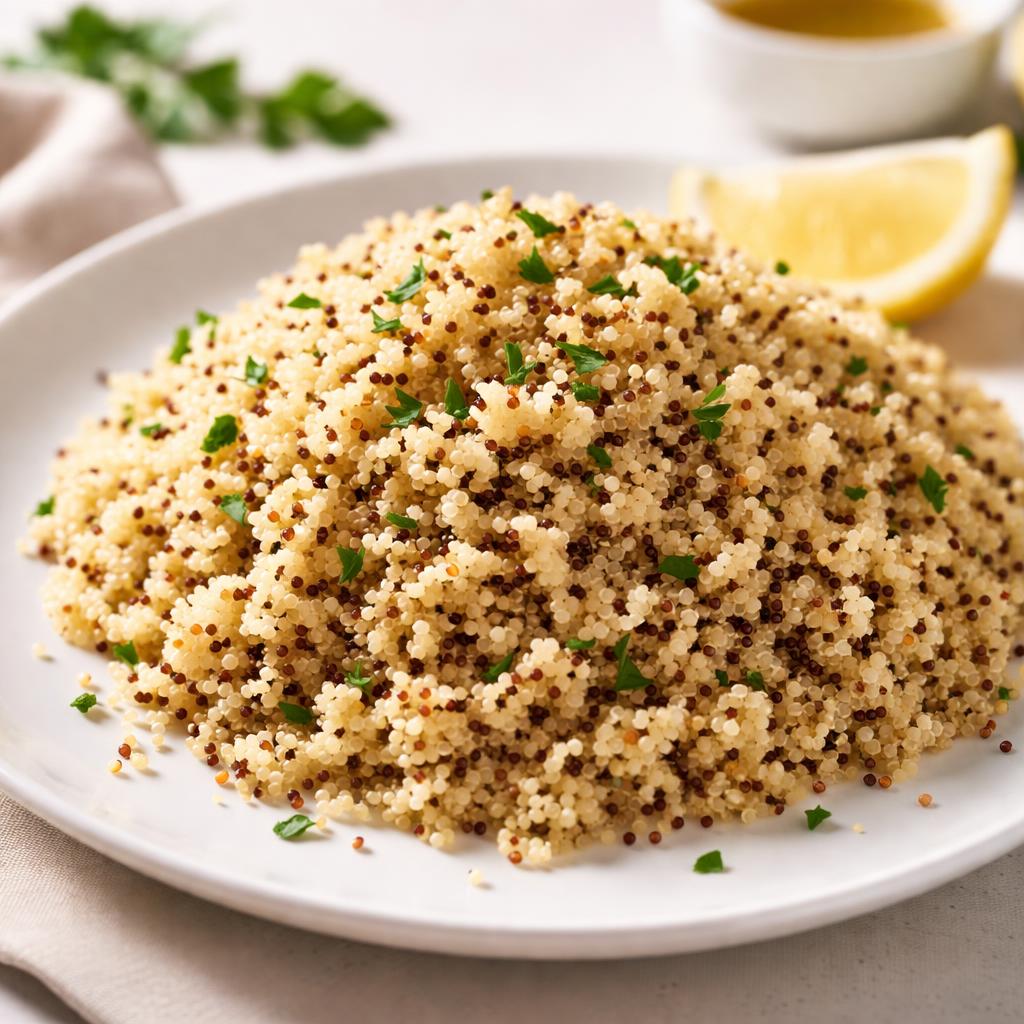
Cooked Quinoa
🎯 Quick Verdict
Buckwheat and cooked quinoa are both excellent plant-based grains with nutritious profiles. Buckwheat edges out in fiber content, aiding digestion, while quinoa has more protein, making it better for muscle-building. Quinoa is slightly lower-calorie per serving, good for calorie-conscious diets, while buckwheat offers a broader mineral profile.

Smart Nutrition Tracking with SnapCalorie

📊 Nutritional Comparison
Macronutrients
| Nutrient | Food 1 | Food 2 | Winner |
|---|---|---|---|
| Calories | 155 (per cooked cup) | 120 (per cooked cup) | ✓ |
| Protein | 5.7g | 8.1g | ✓ |
| Carbs | 33.5g | 21.3g | ✓ |
| Fat | 1g | 2g | ✓ |
| Fiber | 4.5g | 2.5g | ✓ |
Vitamins & Minerals
| Nutrient | Food 1 | Food 2 | Winner |
|---|---|---|---|
| Vitamin B6 | 0.18mg | 0.12mg | ✓ |
| Magnesium | 86mg | 59mg | ✓ |
| Iron | 1.3mg | 2.8mg | ✓ |
| Folate | 14mcg | 78mcg | ✓ |
🏆 Category Winners
Protein
Quinoa contains 42% more protein per cooked cup compared to buckwheat.
Fiber
Buckwheat has 80% more fiber than quinoa per serving.
Calories
Quinoa has about 25% fewer calories per cooked cup.
Vitamins
Buckwheat leads in magnesium and vitamin B6, while quinoa excels in iron and folate.
🥗 Diet Compatibility
Keto
Food 1: Not Compatible
Food 2: Not Compatible
Both are high-carb grains unsuitable for ketogenic diets.
Vegan
Food 1: Compatible
Food 2: Compatible
Both are plant-based and suitable for vegan diets.
Gluten Free
Food 1: Compatible
Food 2: Compatible
Neither contains gluten, making them safe for gluten-free diets.
Paleo
Food 1: Not Compatible
Food 2: Not Compatible
Both are pseudo-grains and typically excluded in strict paleo diets.
Low-Carb
Food 1: Not Compatible
Food 2: Not Compatible
Both remain carbohydrate-heavy and are not suitable for low-carb diets.
💪 Health Benefits Comparison
Food 1 Benefits
- Rich in fiber for improved digestion and gut health
- Good source of magnesium for heart and bone health
- Contains antioxidants like rutin, supporting vascular health
- Helps promote a feeling of satiety, beneficial for weight management
Food 2 Benefits
- High-quality protein with essential amino acids for muscle repair
- Rich in iron and folate, supporting red blood cell formation
- Antioxidant content helps combat oxidative stress
- Provides sustained energy due to its balance of carbs and protein
✅ The Bottom Line
Buckwheat is ideal for those needing more fiber or magnesium, while quinoa’s higher protein and iron content make it especially suitable for athletes and vegetarians. Both are excellent as nutritious gluten-free grains and can be enjoyed in salads, bowls, or as sides.
Choose Food 1 for: Digestive health, weight management, mineral density
Choose Food 2 for: Muscle-building, energy support, vegan protein sources


