Brown Rice VS Rice Soup
A detailed nutritional comparison
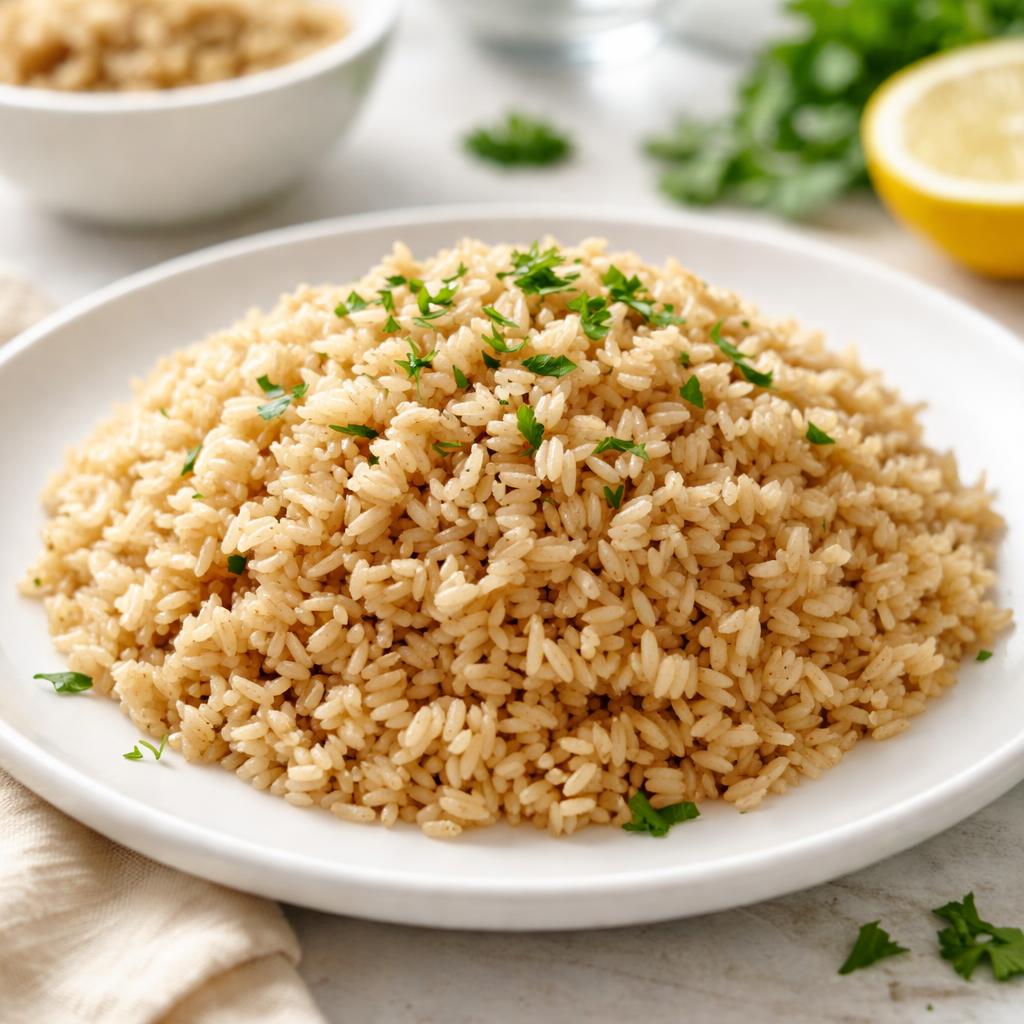
Brown Rice
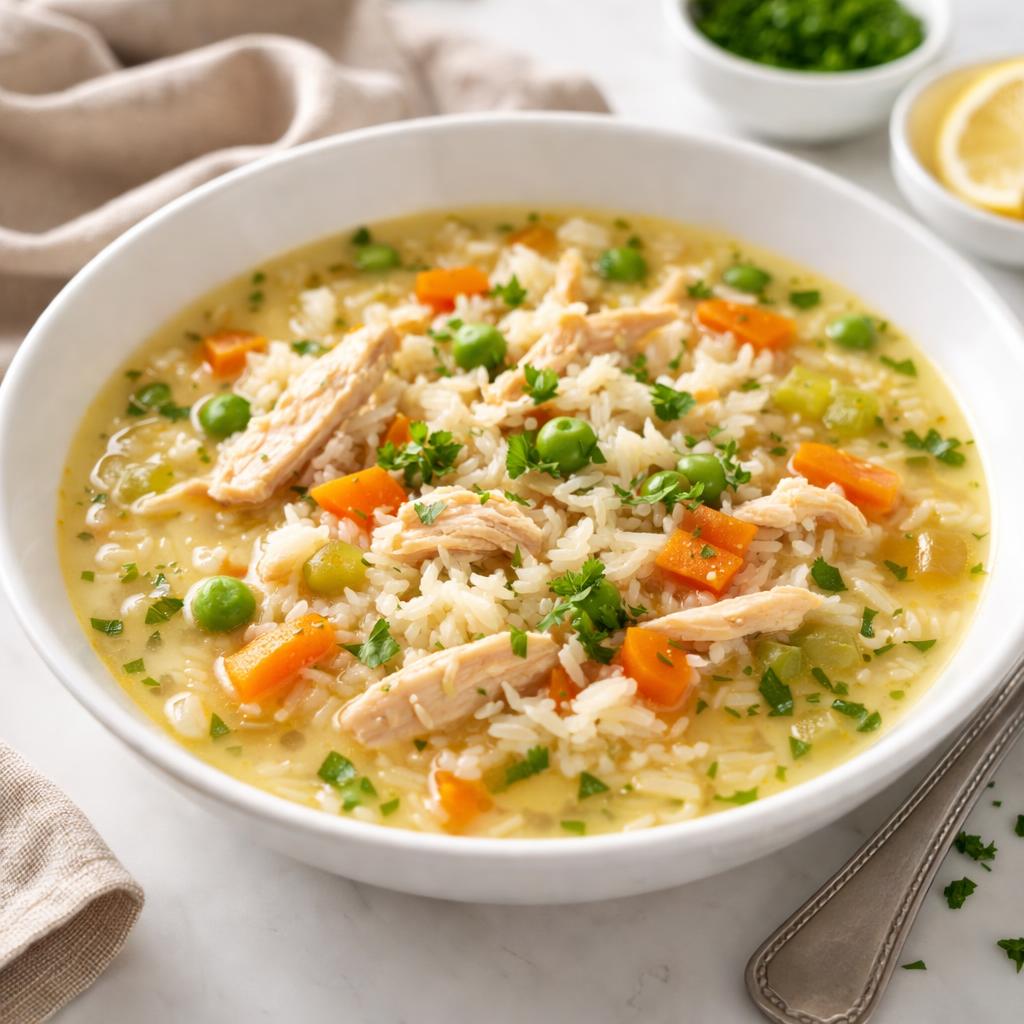
Rice Soup
🎯 Quick Verdict
Brown rice is nutritionally richer than rice soup, offering more protein, fiber, and vitamins, making it suitable for a balanced diet and higher energy needs. Rice soup, however, is lower in calories and lighter, suitable for hydration and those seeking a low-calorie option during illness or recovery.

Smart Nutrition Tracking with SnapCalorie

📊 Nutritional Comparison
Macronutrients
| Nutrient | Food 1 | Food 2 | Winner |
|---|---|---|---|
| Calories | 215 per cup | 80 per cup | ✓ |
| Protein | 5g per cup | 1g per cup | ✓ |
| Carbs | 45g per cup | 16g per cup | ✓ |
| Fat | 1.5g per cup | 0.5g per cup | ✓ |
| Fiber | 3.5g per cup | 0.2g per cup | ✓ |
Vitamins & Minerals
| Nutrient | Food 1 | Food 2 | Winner |
|---|---|---|---|
| Vitamin B6 | 0.22mg per cup | 0.05mg per cup | ✓ |
| Magnesium | 84mg per cup | 3mg per cup | ✓ |
| Iron | 0.8mg per cup | 0.1mg per cup | ✓ |
🏆 Category Winners
Protein
Brown rice contains five times more protein per serving than rice soup.
Fiber
Brown rice provides significantly more fiber (3.5g vs 0.2g).
Calories
Rice soup is lower in calories, ideal for lighter meals or calorie-cutting.
Vitamins
Brown rice offers higher levels of Vitamin B6, magnesium, and iron compared to rice soup.
🥗 Diet Compatibility
Keto
Food 1: Not Compatible
Food 2: Not Compatible
Both are high-carb foods unsuitable for keto diets.
Vegan
Food 1: Compatible
Food 2: Compatible
Both are plant-based options.
Gluten Free
Food 1: Compatible
Food 2: Compatible
Neither contains gluten.
Paleo
Food 1: Compatible
Food 2: Not Compatible
Brown rice aligns with modified paleo guidelines, whereas rice soup may not due to its refined preparation.
Low Carb
Food 1: Not Compatible
Food 2: Compatible
Rice soup contains fewer carbs per serving compared to brown rice.
💪 Health Benefits Comparison
Food 1 Benefits
- Rich in fiber to promote digestion and regularity
- Source of complex carbs for long-lasting energy
- Contains magnesium to support muscle and nerve function
- Provides iron for improved oxygen transport
Food 2 Benefits
- Low in calories for weight management
- Hydrating and easy to digest, ideal during illness
- Provides small amounts of nutrients without heaviness
- Can serve as a light base for nutrient-rich additions
✅ The Bottom Line
Choose brown rice when seeking a nutrient-dense, whole-grain option for energy, satiety, and overall health. Opt for rice soup if you need a light meal, hydration, or are recovering from illness, as it is low in calories and easy on digestion.
Choose Food 1 for: Balanced meals, higher energy needs, long-term satiety
Choose Food 2 for: Light meals, low-calorie diets, illness recovery


