Brown Rice VS Rice Pilaf
A detailed nutritional comparison
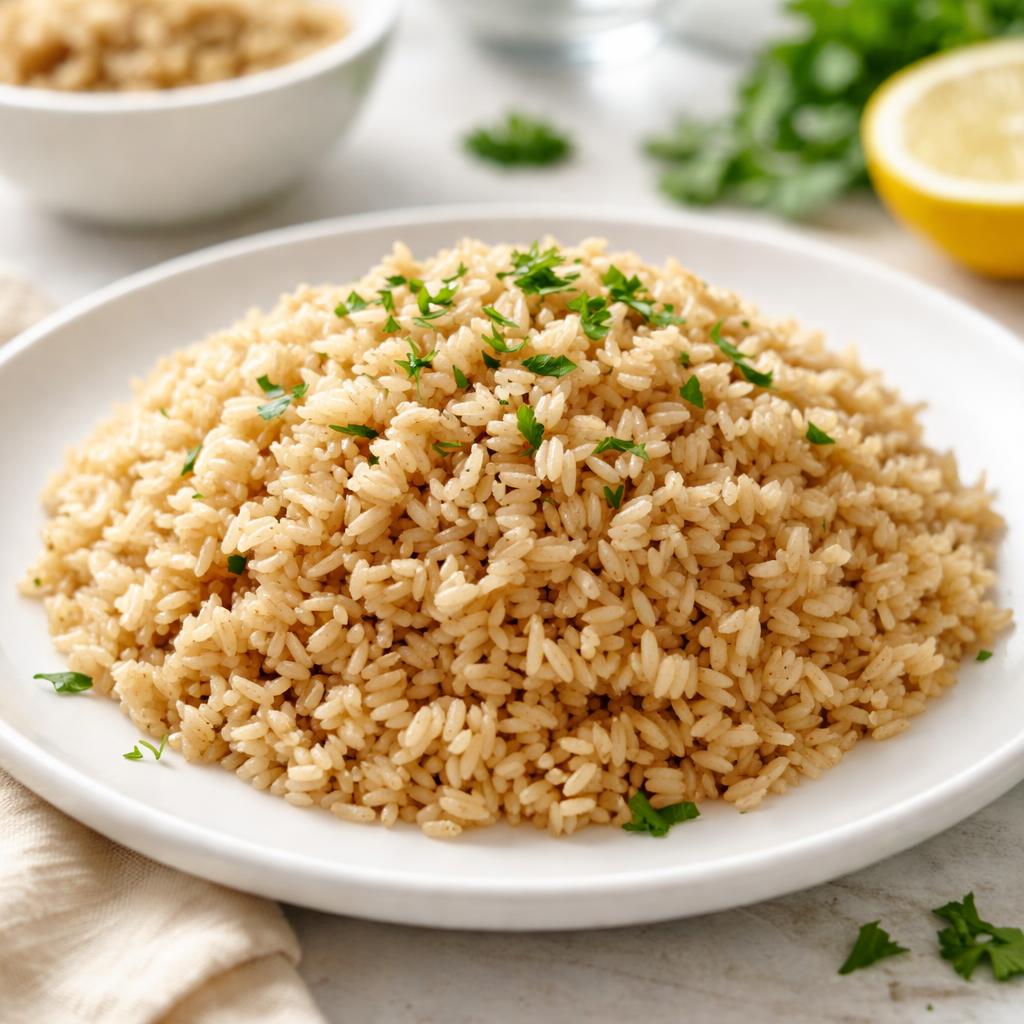
Brown Rice
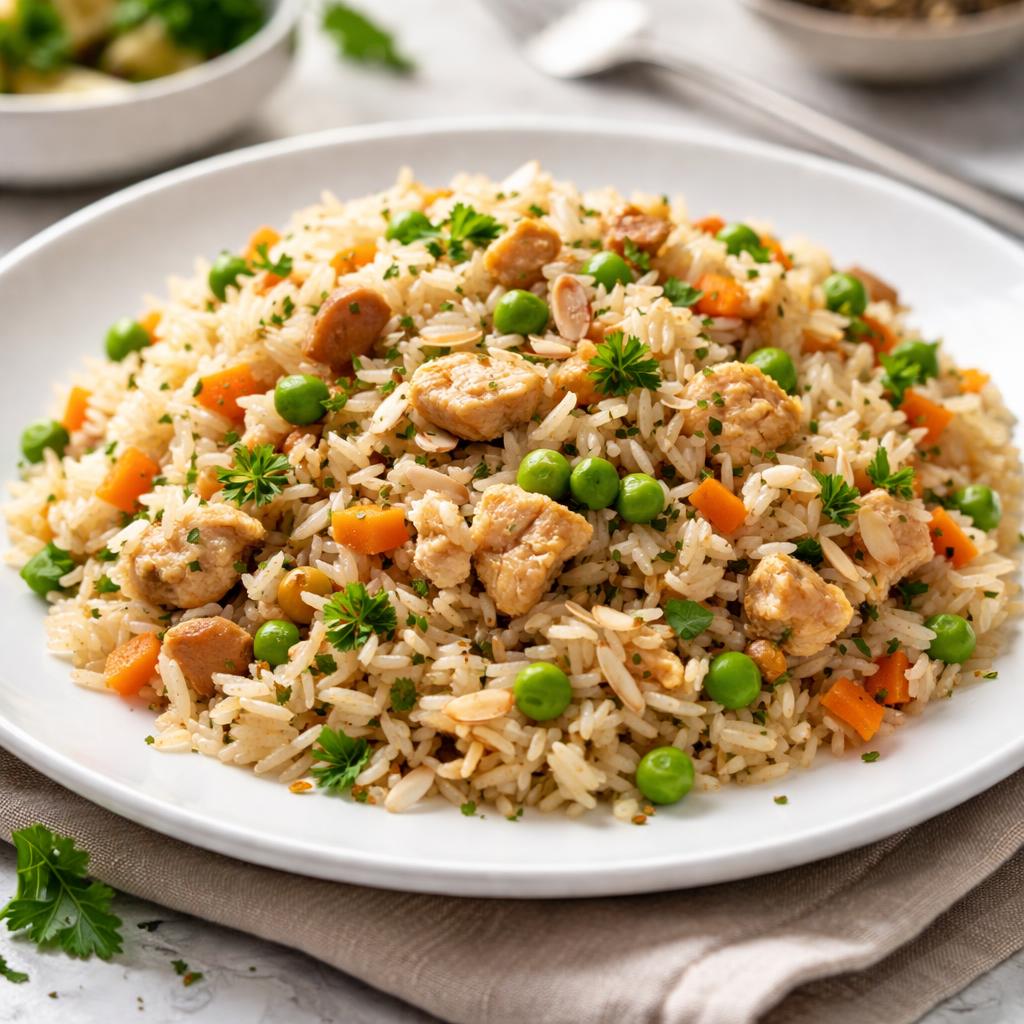
Rice Pilaf
🎯 Quick Verdict
Brown rice has fewer calories, more protein, and higher fiber content compared to rice pilaf, which often includes added fats and seasonings. Rice pilaf may offer slightly more flavor due to added ingredients but is less suitable for low-calorie, high-fiber diets. Brown rice is better for health-focused meals, while rice pilaf works well for indulgent recipes or special occasions.

Smart Nutrition Tracking with SnapCalorie

📊 Nutritional Comparison
Macronutrients
| Nutrient | Food 1 | Food 2 | Winner |
|---|---|---|---|
| Calories | 215 | 230 | ✓ |
| Protein | 5g | 4g | ✓ |
| Carbs | 45g | 44g | ✓ |
| Fat | 1g | 4g | ✓ |
| Fiber | 3.5g | 1g | ✓ |
Vitamins & Minerals
| Nutrient | Food 1 | Food 2 | Winner |
|---|---|---|---|
| Vitamin D | 0mcg | 0mcg | − |
| Calcium | 20mg | 15mg | ✓ |
| Iron | 0.8mg | 0.4mg | ✓ |
🏆 Category Winners
Protein
Brown rice contains 25% more protein compared to rice pilaf.
Fiber
Brown rice has over 3x the fiber content compared to rice pilaf.
Calories
Brown rice is slightly lower in calories per serving.
🥗 Diet Compatibility
Keto
Food 1: Not Compatible
Food 2: Not Compatible
Both are high-carb foods and not suitable for a keto diet.
Vegan
Food 1: Compatible
Food 2: Compatible
Both rice dishes are plant-based and suitable for vegans.
Gluten Free
Food 1: Compatible
Food 2: Depends
Brown rice is naturally gluten-free, but rice pilaf may contain gluten-containing additives depending on preparation.
Paleo
Food 1: Compatible
Food 2: Depends
Brown rice fits paleo criteria, but rice pilaf may contain processed ingredients disallowed in paleo diets.
Low-Carb
Food 1: Not Compatible
Food 2: Not Compatible
Both foods are primarily carbohydrate-based and not suitable for low-carb diets.
💪 Health Benefits Comparison
Food 1 Benefits
- Rich in fiber for promoting healthy digestion
- Provides steady energy and supports blood sugar balance
- Contains important minerals like magnesium and selenium
- Supports heart health with unprocessed whole grains
Food 2 Benefits
- May provide additional flavor and variety in meals
- Contains healthy fats in some recipes, depending on preparation
- Supplies fast energy, suitable for physically active individuals
- May include added nutrients depending on ingredients
✅ The Bottom Line
Brown rice is the superior choice for health-conscious individuals due to its higher fiber, protein, and lower fat content. Rice pilaf is better for special occasions or if a richer, more flavorful dish is desired. Choose brown rice for everyday meals and rice pilaf for indulgent recipes.
Choose Food 1 for: Healthy eating, balanced diets, digestive health
Choose Food 2 for: Flavorful side dishes, indulgent meals, variety in recipes


