Brown Rice VS Red Rice
A detailed nutritional comparison
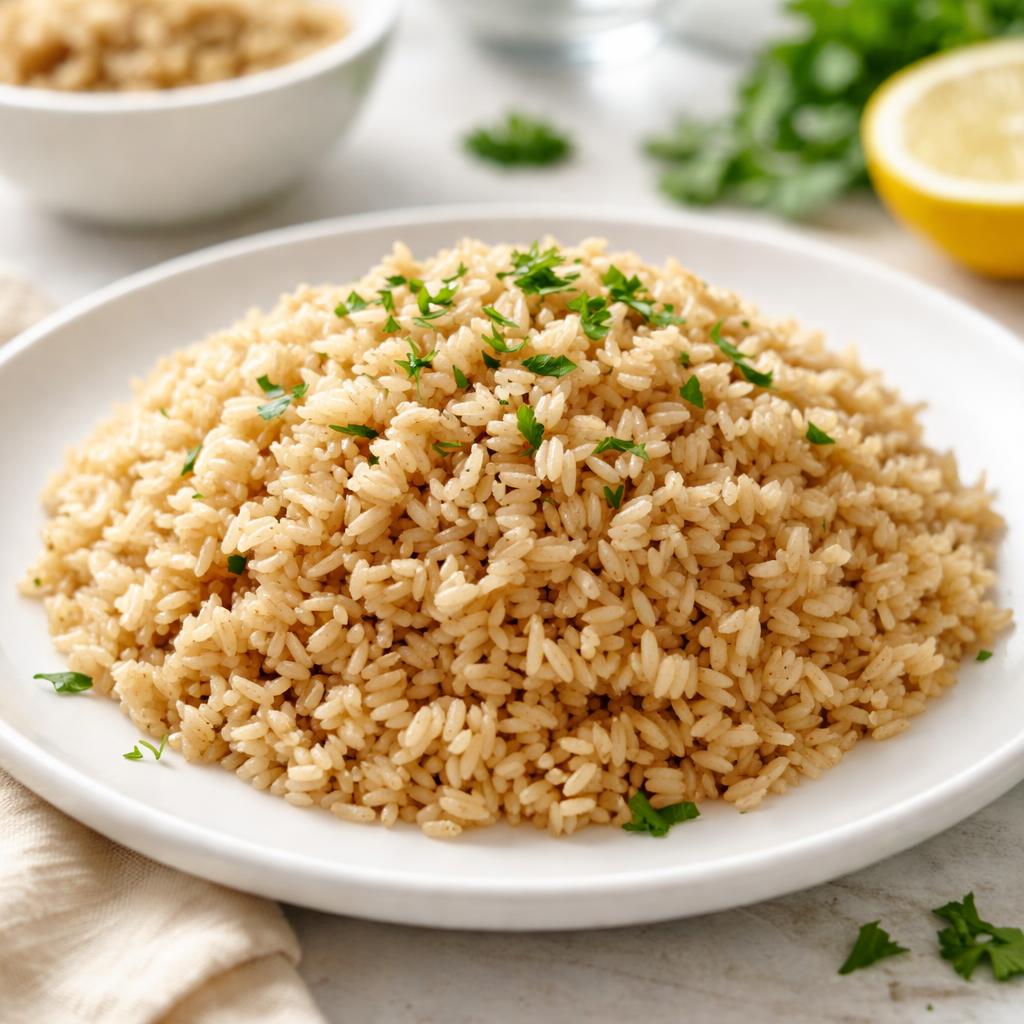
Brown Rice
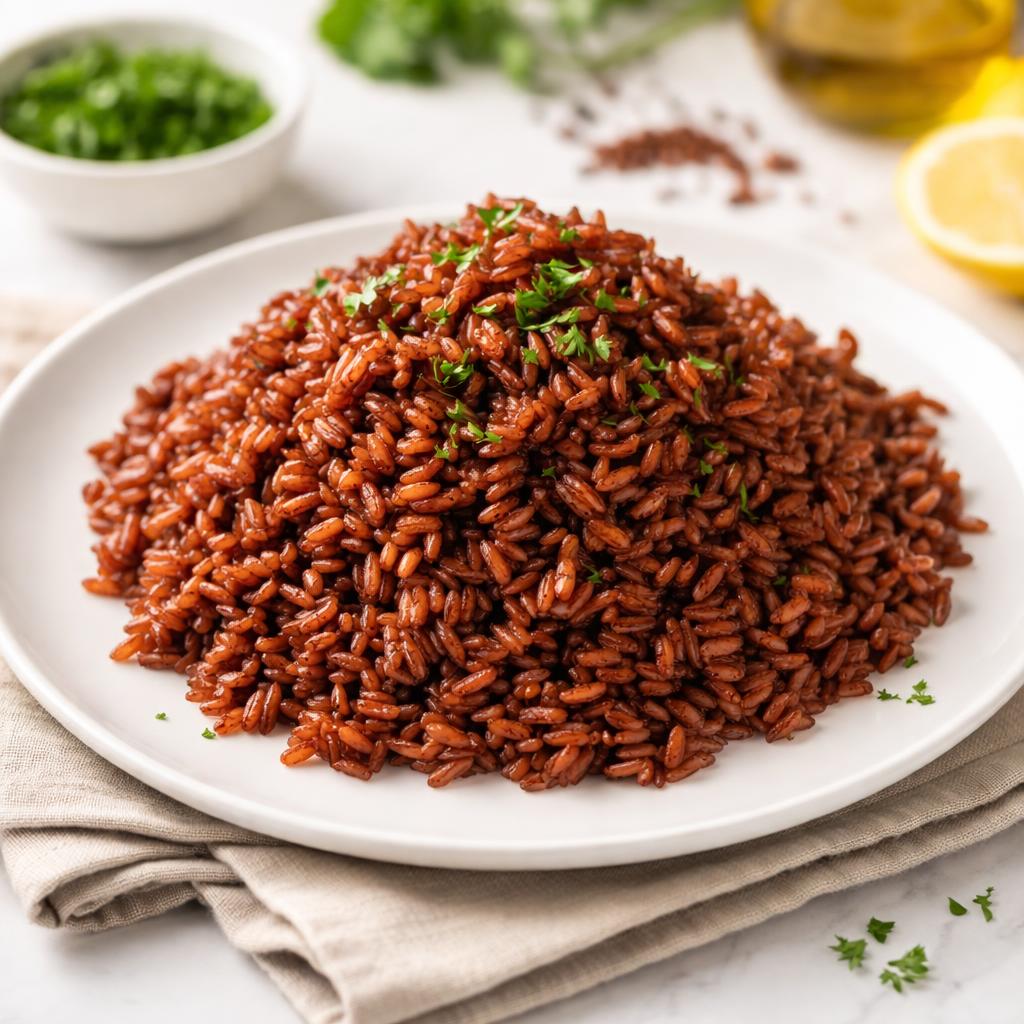
Red Rice
🎯 Quick Verdict
Brown rice and red rice are nutritionally similar but have notable differences. Red rice offers slightly more protein and fiber, making it a better option for those focused on muscle building and digestive health. Both are excellent sources of complex carbohydrates and micronutrients, suitable for a variety of diets. Choose brown rice for a milder flavor or red rice for its earthy nuttiness and antioxidant benefits.

Smart Nutrition Tracking with SnapCalorie

📊 Nutritional Comparison
Macronutrients
| Nutrient | Food 1 | Food 2 | Winner |
|---|---|---|---|
| Calories | 215 | 215 | − |
| Protein | 5g | 6g | ✓ |
| Carbs | 45g | 43g | ✓ |
| Fat | 1.5g | 1.5g | − |
| Fiber | 3.5g | 4g | ✓ |
Vitamins & Minerals
| Nutrient | Food 1 | Food 2 | Winner |
|---|---|---|---|
| Vitamin B6 | 0.3mg | 0.4mg | ✓ |
| Magnesium | 85mg | 95mg | ✓ |
| Iron | 1mg | 2mg | ✓ |
🏆 Category Winners
Protein
Red rice contains 20% more protein than brown rice.
Fiber
Red rice delivers 14% more fiber, aiding digestion.
Calories
Both foods have a similar calorie count per serving.
Vitamins
Red rice is richer in magnesium, iron, and vitamin B6.
🥗 Diet Compatibility
Keto
Food 1: Not Compatible
Food 2: Not Compatible
Both are high in carbohydrates and unsuitable for keto.
Vegan
Food 1: Compatible
Food 2: Compatible
Both are plant-based whole grains and vegan-friendly.
Gluten Free
Food 1: Compatible
Food 2: Compatible
Neither contains gluten, making them suitable for gluten-free diets.
Paleo
Food 1: Not Compatible
Food 2: Not Compatible
Both foods are grains and excluded from strict paleo diets.
Low Carbohydrate
Food 1: Not Compatible
Food 2: Not Compatible
Both are high in carbs, not suitable for low-carb diets.
💪 Health Benefits Comparison
Food 1 Benefits
- Rich in magnesium for bone health and stress regulation
- Provides good energy with complex carbohydrates
- Supports heart health with beneficial antioxidants
Food 2 Benefits
- Higher iron content supports better oxygen transport in the blood
- Fiber promotes digestive health and reduces cholesterol
- Contains anthocyanins and antioxidants for anti-inflammatory benefits
✅ The Bottom Line
Brown rice and red rice are nutrient-dense whole grains with similar calories but slight advantages in protein and fiber for red rice. Both are versatile and pair well with many dishes. Red rice may be an excellent choice for those seeking additional antioxidants and minerals, whereas brown rice offers a milder flavor profile for everyday meals.
Choose Food 1 for: Balanced meals, everyday energy, mild flavors
Choose Food 2 for: Boosting fiber and protein intake, meals with a nutty flavor, antioxidant-rich diets


