Brown Rice VS Cooked White Rice
A detailed nutritional comparison
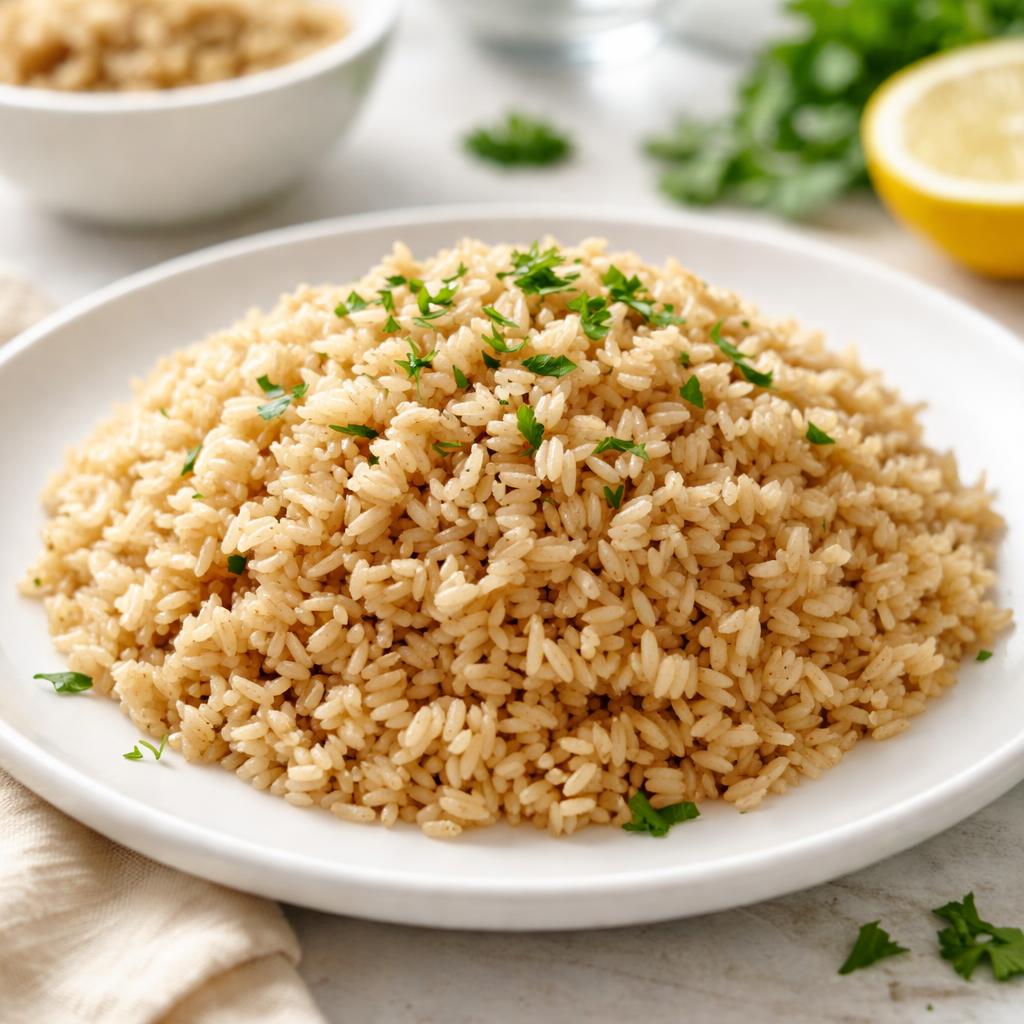
Brown Rice
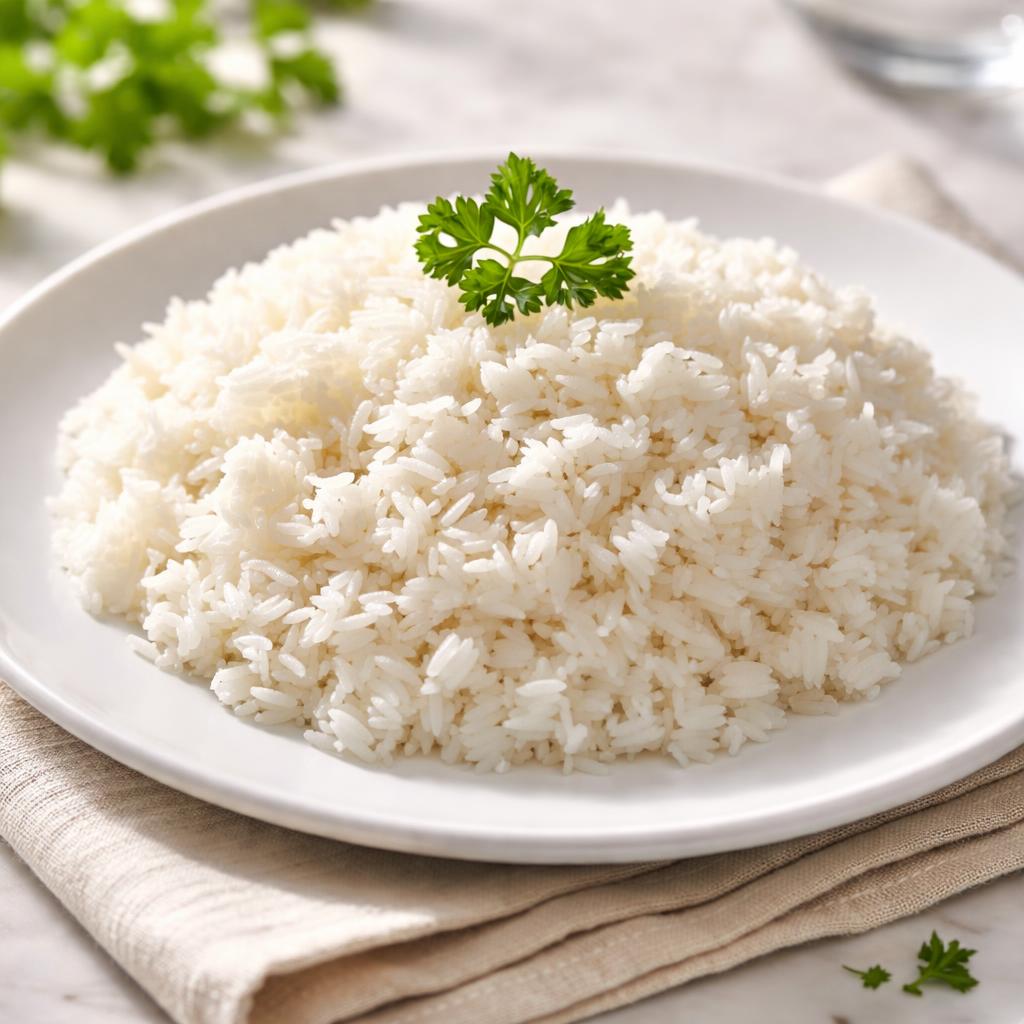
Cooked White Rice
🎯 Quick Verdict
Brown rice is nutritionally superior to white rice, offering more fiber, magnesium, and selenium, which contribute to better digestion and improved health outcomes. White rice, while lower in fiber, is easier to digest for sensitive stomachs and a better choice for quick energy needs post-workout or during illness.

Smart Nutrition Tracking with SnapCalorie

📊 Nutritional Comparison
Macronutrients
| Nutrient | Food 1 | Food 2 | Winner |
|---|---|---|---|
| Calories | 215 | 205 | − |
| Protein | 5g | 5g | − |
| Carbs | 45g | 45g | − |
| Fat | 1.8g | 0.4g | ✓ |
| Fiber | 3.5g | 0.3g | ✓ |
Vitamins & Minerals
| Nutrient | Food 1 | Food 2 | Winner |
|---|---|---|---|
| Magnesium | 86mg | 11mg | ✓ |
| Selenium | 19mcg | 9mcg | ✓ |
| Iron | 1.1mg | 0.2mg | ✓ |
🏆 Category Winners
Protein
Both brown and white rice contain 5g of protein per serving.
Fiber
Brown rice has significantly more fiber (3.5g vs. 0.3g).
Calories
Calories are similar between the two, with a difference of only 10 calories per serving.
Vitamins
Brown rice is richer in magnesium, selenium, and iron.
🥗 Diet Compatibility
Keto
Food 1: Not Compatible
Food 2: Not Compatible
Both are high-carb and not suitable for keto.
Vegan
Food 1: Compatible
Food 2: Compatible
Both are plant-based grains.
Gluten Free
Food 1: Compatible
Food 2: Compatible
Both are gluten-free.
Paleo
Food 1: Not Compatible
Food 2: Not Compatible
Rice is a grain and not considered paleo-friendly.
Low Carb
Food 1: Not Compatible
Food 2: Not Compatible
Both are high in carbohydrates (45g per serving).
💪 Health Benefits Comparison
Food 1 Benefits
- High in fiber for improved digestion and satiety.
- Rich in magnesium, supporting muscle and nerve function.
- Contains selenium, which acts as an antioxidant to fight free radicals.
Food 2 Benefits
- Lower in fat for lighter meals.
- Easy to digest, making it ideal for sensitive stomachs.
- Offers quick energy due to its higher glycemic index.
✅ The Bottom Line
Brown rice is the better choice for overall nutrition and health, providing more fiber, minerals, and antioxidants. White rice is preferable for quick energy post-workout or when you need gentle, easy-to-digest carbohydrates.
Choose Food 1 for: Weight management, heart health, digestive support
Choose Food 2 for: Athletes needing quick energy, recovery meals, easy digestion


