Brown Rice VS Cooked Basmati Rice
A detailed nutritional comparison
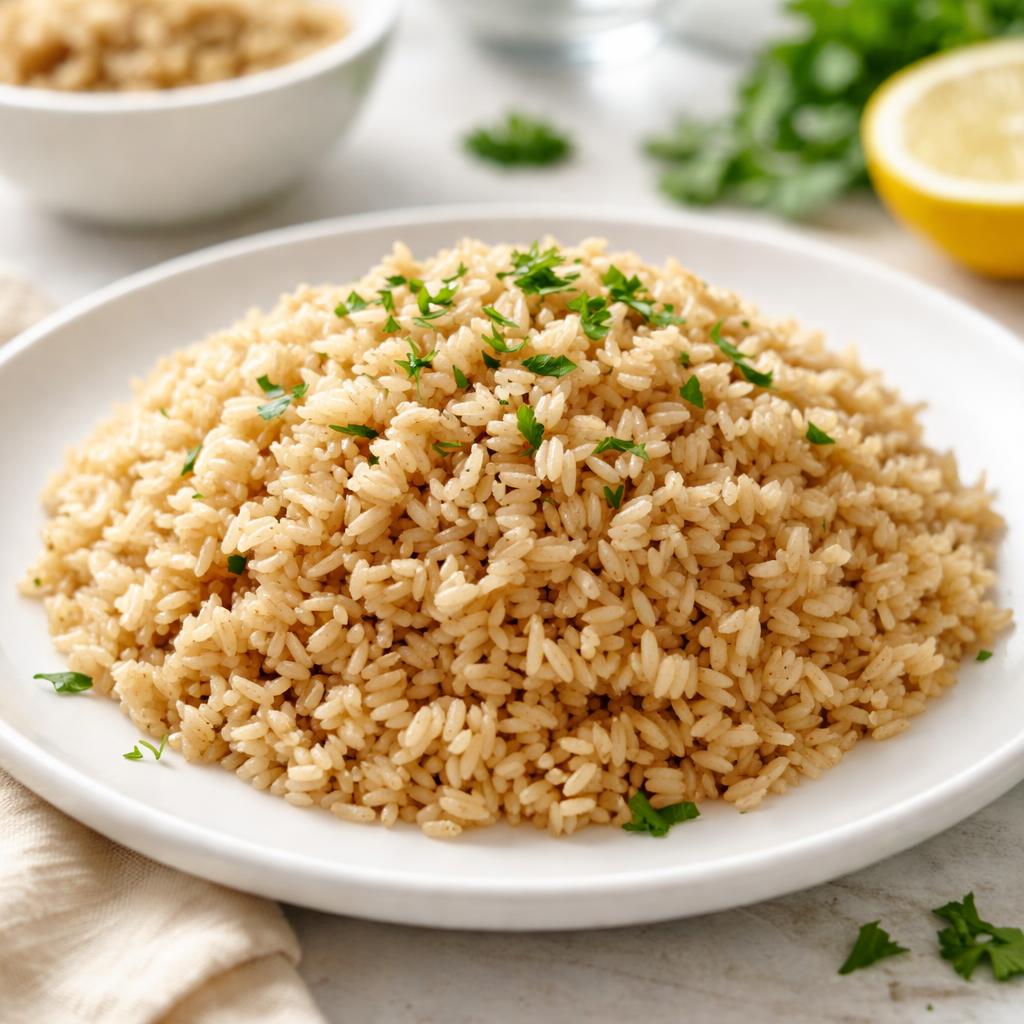
Brown Rice
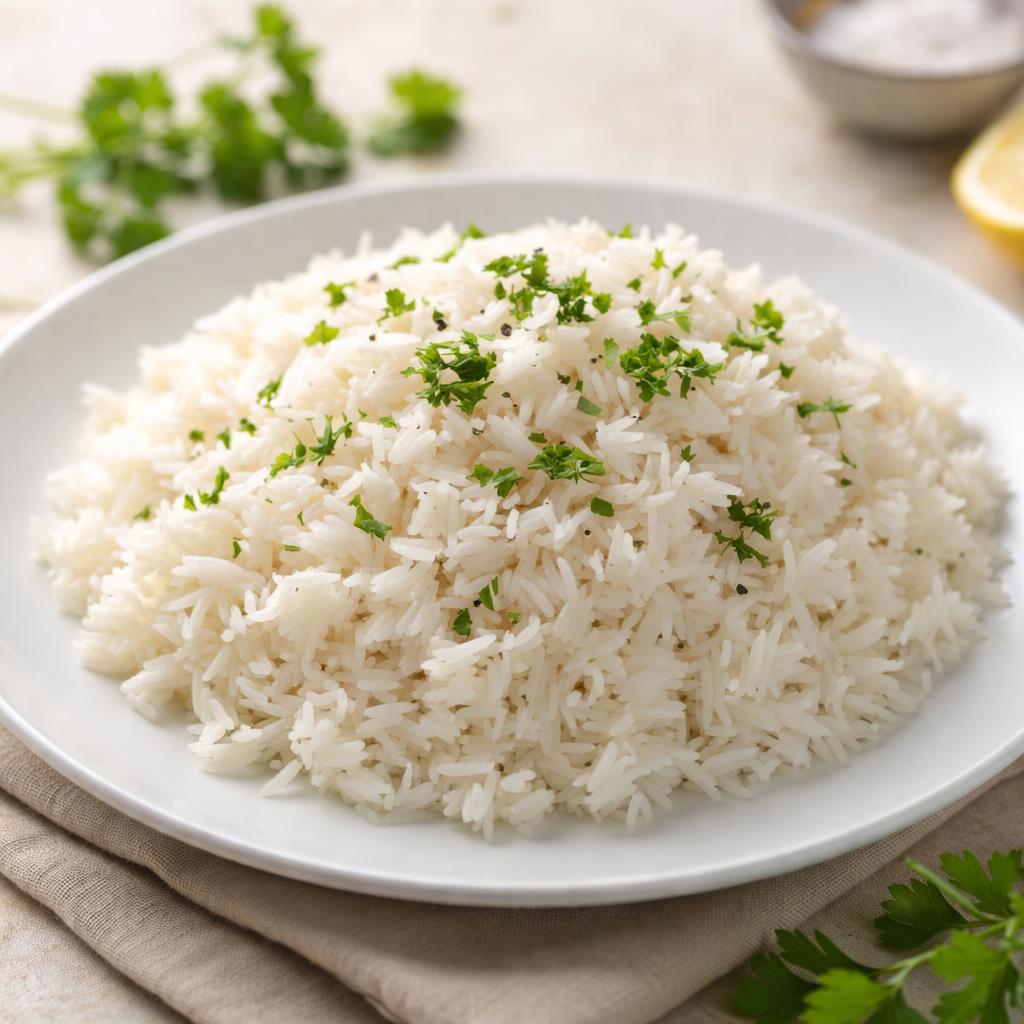
Cooked Basmati Rice
🎯 Quick Verdict
Brown rice generally offers more nutritional value compared to cooked basmati rice, with higher protein and fiber content, making it better for overall health and digestion. Both are calorie-neutral, but basmati rice tends to have lower nutrients and is less suitable for diets requiring higher macro support or fiber intake.

Smart Nutrition Tracking with SnapCalorie

📊 Nutritional Comparison
Macronutrients
| Nutrient | Food 1 | Food 2 | Winner |
|---|---|---|---|
| Calories | 216 | 210 | − |
| Protein | 5g | 4g | ✓ |
| Carbs | 44g | 45g | ✓ |
| Fat | 2g | 0.5g | ✓ |
| Fiber | 3.5g | 0.6g | ✓ |
Vitamins & Minerals
| Nutrient | Food 1 | Food 2 | Winner |
|---|---|---|---|
| Vitamin B1 (Thiamine) | 0.2mg | 0.07mg | ✓ |
| Magnesium | 84mg | 19mg | ✓ |
| Iron | 1.1mg | 0.37mg | ✓ |
🏆 Category Winners
Protein
Brown rice contains 20% more protein per serving than basmati rice, offering better support for muscle maintenance.
Fiber
Brown rice has nearly 6 times more fiber than basmati rice, making it superior for digestive health.
Calories
Both foods are calorie-neutral, with only a minor difference of 6 calories per serving.
Vitamins
Brown rice is richer in essential nutrients like magnesium, iron, and thiamine, providing greater long-term health support.
🥗 Diet Compatibility
Keto
Food 1: Not Compatible
Food 2: Not Compatible
Neither rice variety is low-carb and thus incompatible with keto diets.
Vegan
Food 1: Compatible
Food 2: Compatible
Both are plant-based and suitable for vegan diets.
Gluten Free
Food 1: Compatible
Food 2: Compatible
Both brown rice and basmati rice are gluten-free.
Paleo
Food 1: Compatible
Food 2: Compatible
Both rice options align with paleo diet principles as natural, unprocessed grains.
Low Carb
Food 1: Not Compatible
Food 2: Not Compatible
Both foods are high-carb and unsuitable for low-carb diets.
💪 Health Benefits Comparison
Food 1 Benefits
- Rich in fiber for improved digestive health
- Provides essential minerals like magnesium for bone and muscle function
- Offers long-lasting energy due to complex carbs
- Contains antioxidants that support overall health
Food 2 Benefits
- Gentler on digestion compared to brown rice
- Contains amino acids necessary for energy production
- Lower in fat content, suitable for light meals
- Can help regulate blood sugar due to a slightly lower glycemic index
✅ The Bottom Line
Brown rice is the better choice for those seeking higher nutritional value, especially for protein, fiber, and long-term mineral intake. However, basmati rice shines in recipes requiring lighter texture or mild flavor and is easier to digest for sensitive stomachs.
Choose Food 1 for: Weight management, digestive health, long-lasting energy
Choose Food 2 for: Sensitive digestion, light meals, cultural cuisines


