Brown Rice VS Brown Basmati Rice
A detailed nutritional comparison
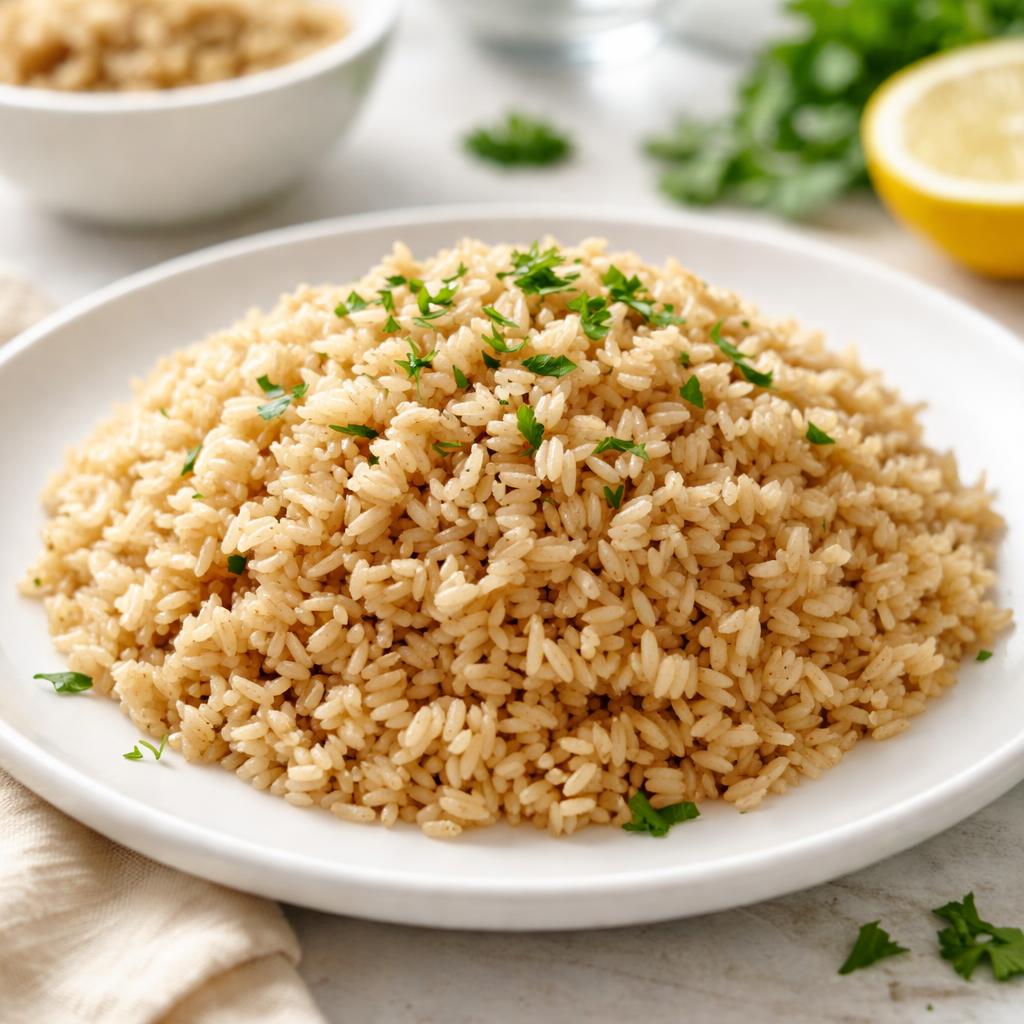
Brown Rice
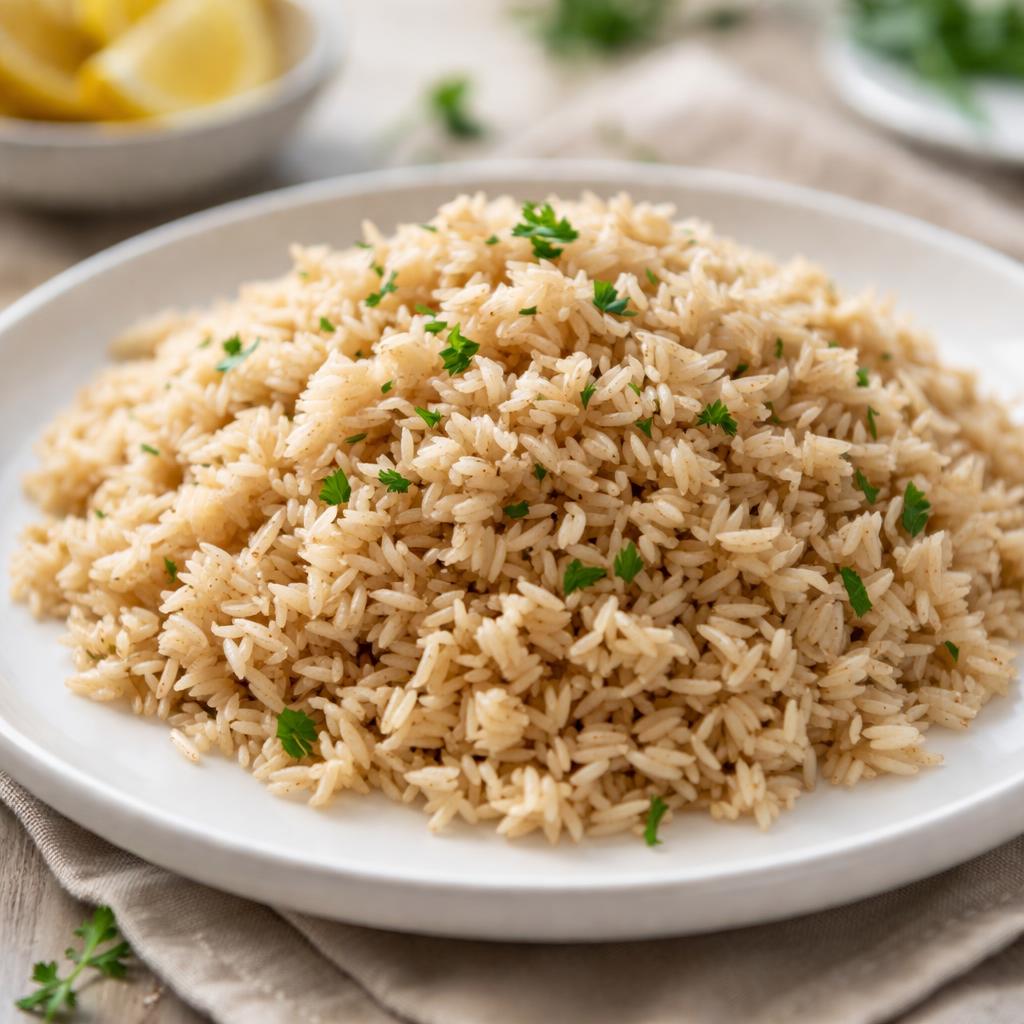
Brown Basmati Rice
🎯 Quick Verdict
Brown rice and brown basmati rice are nutritionally similar, but brown basmati rice has a slightly lower glycemic index, making it better for sustained energy. Brown rice contains more fiber (3.5g per cup compared to 1.8g) and is better for digestion. Both are nutritious, but their differences cater to specific dietary goals.

Smart Nutrition Tracking with SnapCalorie

📊 Nutritional Comparison
Macronutrients
| Nutrient | Food 1 | Food 2 | Winner |
|---|---|---|---|
| Calories | 215 | 210 | − |
| Protein | 5g | 5g | − |
| Carbs | 45g | 45g | − |
| Fat | 1.8g | 1.5g | − |
| Fiber | 3.5g | 1.8g | − |
Vitamins & Minerals
| Nutrient | Food 1 | Food 2 | Winner |
|---|---|---|---|
| Vitamin B6 | 0.1mg | 0.07mg | − |
| Magnesium | 80mg | 55mg | − |
| Iron | 1mg | 1.6mg | − |
🏆 Category Winners
Protein
Both have equal protein content (5g per serving).
Fiber
Brown rice contains almost twice the fiber compared to brown basmati rice.
Calories
Both are similarly calorie-dense (around 210-215 calories per cup cooked).
Vitamins
Brown rice has higher magnesium and vitamin B6, but brown basmati rice delivers slightly more iron.
🥗 Diet Compatibility
Keto
Food 1: Unknown
Food 2: Unknown
Both are high-carb and unsuitable for ketogenic diets.
Vegan
Food 1: Unknown
Food 2: Unknown
Both are naturally plant-based.
Gluten Free
Food 1: Unknown
Food 2: Unknown
Neither contains gluten.
Paleo
Food 1: Unknown
Food 2: Unknown
Grains are excluded in strict paleo diets.
Low Carb
Food 1: Unknown
Food 2: Unknown
With 45g carbs per cup, neither is low-carb.
💪 Health Benefits Comparison
Food 1 Benefits
Food 2 Benefits
✅ The Bottom Line
Choose brown rice for digestion benefits and higher fiber, ideal for gut health and regularity. Opt for brown basmati rice for lower glycemic impact and slightly better iron content, making it suitable for those managing blood sugar or seeking energy balance. Both are excellent whole-grain staples and versatile in various dishes.


