Brown Bread VS Whole Wheat Toast
A detailed nutritional comparison
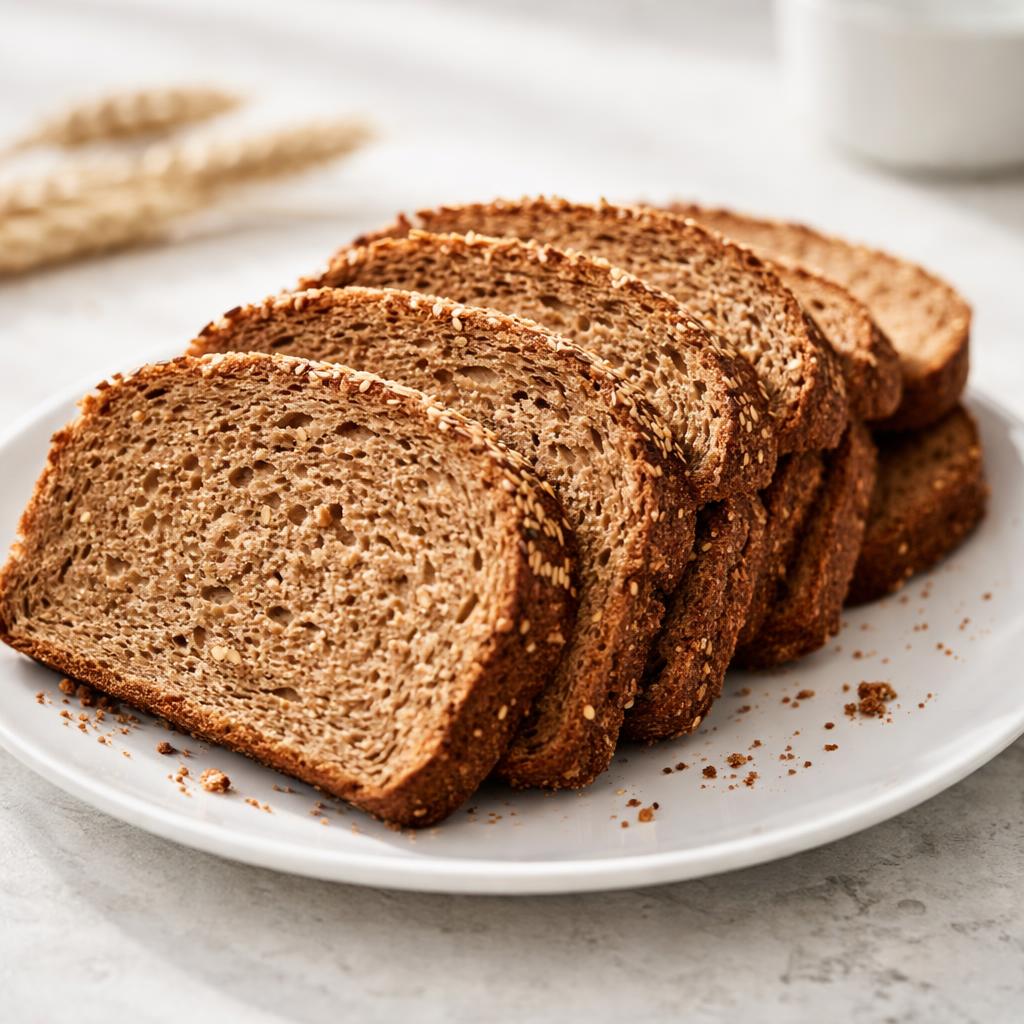
Brown Bread
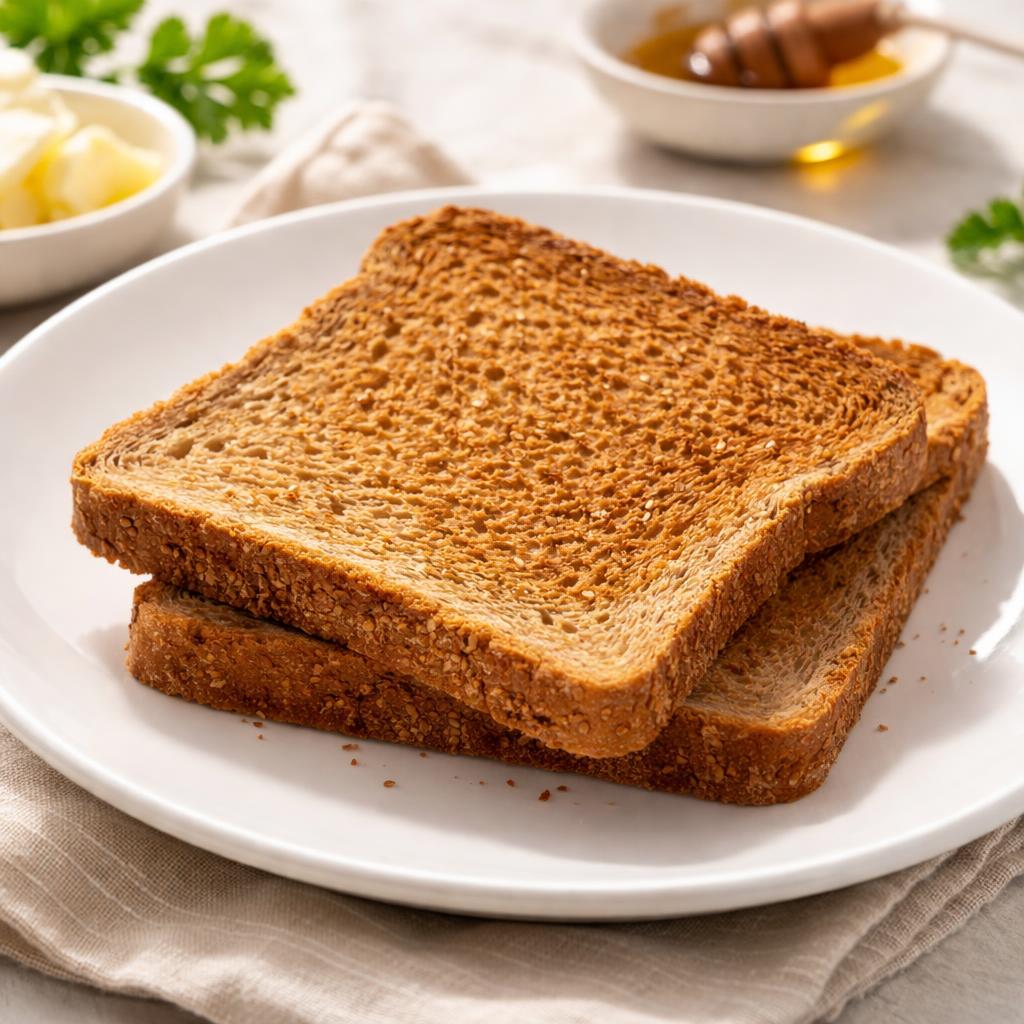
Whole Wheat Toast
🎯 Quick Verdict
Whole wheat toast edges out brown bread in most categories, offering slightly more protein and fiber per serving, making it richer in nutrients. Brown bread is lower in calories, which may appeal to those prioritizing weight management. Both are excellent choices for balanced diets but serve different niches depending on dietary goals.

Smart Nutrition Tracking with SnapCalorie

📊 Nutritional Comparison
Macronutrients
| Nutrient | Food 1 | Food 2 | Winner |
|---|---|---|---|
| Calories | 70 | 80 | − |
| Protein | 3g | 4g | − |
| Carbs | 13g | 15g | − |
| Fat | 0.9g | 1g | − |
| Fiber | 2g | 3g | − |
Vitamins & Minerals
| Nutrient | Food 1 | Food 2 | Winner |
|---|---|---|---|
| Vitamin B6 | 0.03mg | 0.05mg | − |
| Magnesium | 16mg | 22mg | − |
| Iron | 0.6mg | 0.8mg | − |
🏆 Category Winners
Protein
Whole wheat toast provides 33% more protein.
Fiber
Whole wheat toast contains 50% more fiber per serving.
Calories
Brown bread is lower in calories by 10%.
Vitamins
Whole wheat toast has higher mineral and vitamin levels overall.
🥗 Diet Compatibility
Keto
Food 1: Not Compatible
Food 2: Not Compatible
Both are too high in carbs for keto diets.
Vegan
Food 1: Compatible
Food 2: Compatible
Both are plant-based and vegan-friendly.
Gluten Free
Food 1: Not Compatible
Food 2: Not Compatible
Both contain gluten from wheat.
Paleo
Food 1: Not Compatible
Food 2: Not Compatible
Both are grain-based and not suitable for paleo diets.
Low-Carb
Food 1: Not Compatible
Food 2: Not Compatible
Carbs exceed recommendations for low-carb diets.
💪 Health Benefits Comparison
Food 1 Benefits
- Lower calorie option for weight management
- Source of dietary fiber for gut health
- Contains essential minerals like selenium
Food 2 Benefits
- Higher protein supports muscle maintenance
- Rich in fiber for improved digestion
- Better source of magnesium for bone health
✅ The Bottom Line
Choose whole wheat toast for a slightly better nutritional profile, particularly if prioritizing protein, fiber, and vitamins. Opt for brown bread when calories are a key consideration, such as during weight loss phases.
Choose Food 1 for: Weight-conscious diets, lighter meals, vegan options
Choose Food 2 for: High-fiber diets, breakfast meals, nutrient optimization


