Brown Bread VS Whole Grain Bread
A detailed nutritional comparison
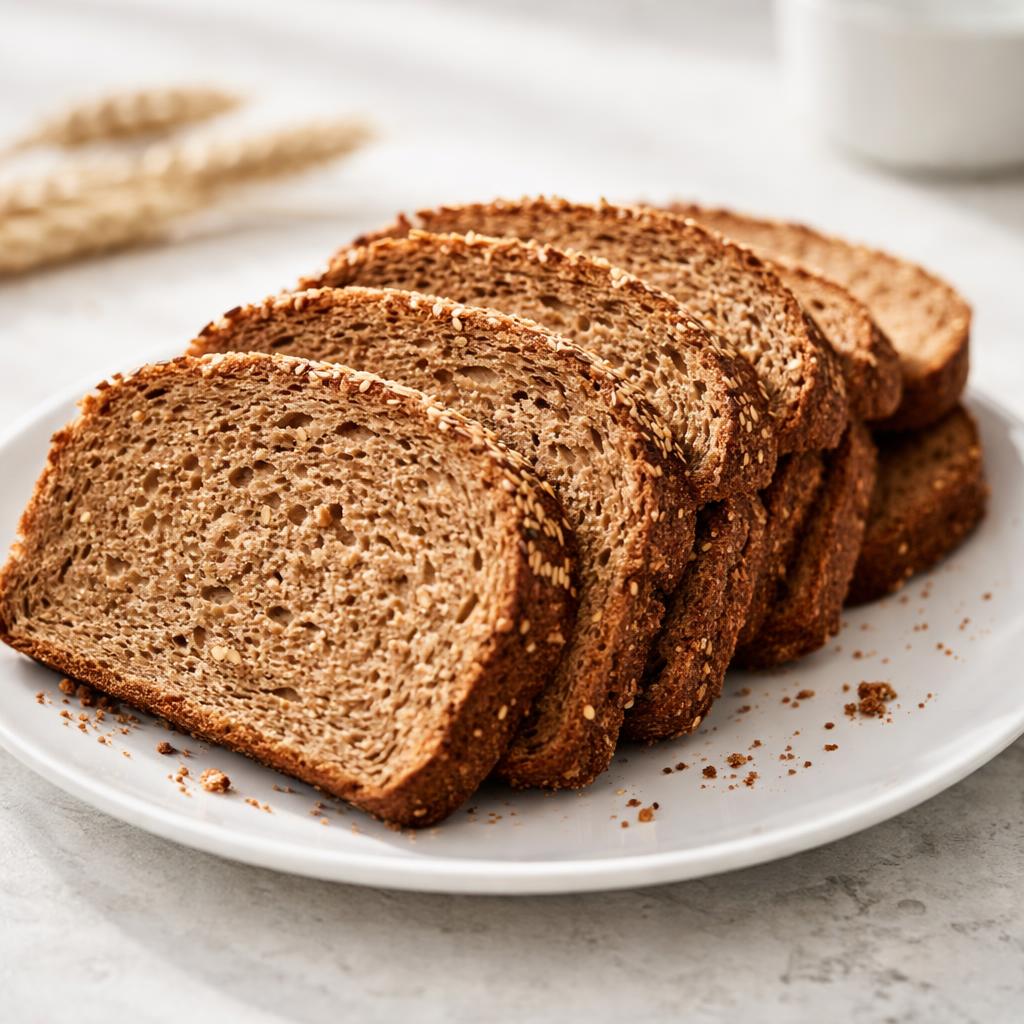
Brown Bread
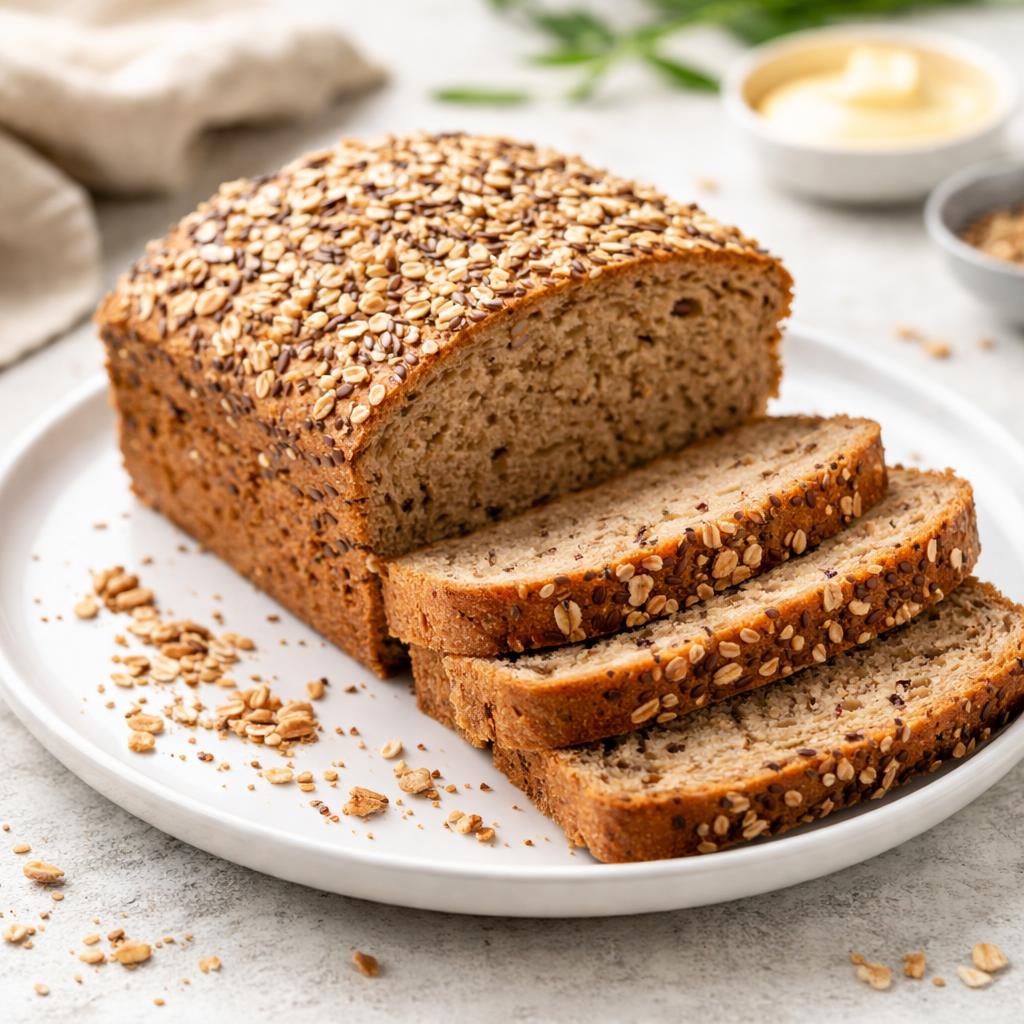
Whole Grain Bread
🎯 Quick Verdict
Whole grain bread edges out brown bread in nutritional value due to higher fiber and protein content. Both are calorie-dense, but whole grain bread is generally better for digestion and sustained energy. Brown bread is an affordable and moderate option for a balanced diet, while whole grain bread is ideal for nutrient-focused eating patterns.

Smart Nutrition Tracking with SnapCalorie

📊 Nutritional Comparison
Macronutrients
| Nutrient | Food 1 | Food 2 | Winner |
|---|---|---|---|
| Calories | 75 kcal per slice | 75 kcal per slice | − |
| Protein | 3g per slice | 4g per slice | − |
| Carbs | 13g per slice | 12g per slice | − |
| Fat | 1g per slice | 1.5g per slice | − |
| Fiber | 2g per slice | 4g per slice | − |
Vitamins & Minerals
| Nutrient | Food 1 | Food 2 | Winner |
|---|---|---|---|
| Vitamin D | 0mcg | 0mcg | − |
| Calcium | 30mg | 40mg | − |
| Iron | 0.7mg | 1mg | − |
🏆 Category Winners
Protein
Whole grain bread contains 33% more protein per slice.
Fiber
Whole grain bread offers double the fiber compared to brown bread.
Calories
Both types of bread have similar caloric content per slice.
Vitamins
Whole grain bread provides slightly more calcium and iron.
🥗 Diet Compatibility
Keto
Food 1: Not Compatible
Food 2: Not Compatible
Both are high in carbs and unsuitable for keto diets.
Vegan
Food 1: Compatible
Food 2: Compatible
Both are plant-based unless additional non-vegan ingredients are added.
Gluten Free
Food 1: Not Compatible
Food 2: Not Compatible
Both contain gluten from wheat.
Paleo
Food 1: Not Compatible
Food 2: Not Compatible
Bread is excluded from paleo due to grains.
Low Carb
Food 1: Not Compatible
Food 2: Not Compatible
Both foods are carb-dense, with over 10g of carbs per slice.
💪 Health Benefits Comparison
Food 1 Benefits
- Moderate source of protein for daily needs
- Provides essential energy through carbohydrates
- Contains small amounts of fiber for digestion
Food 2 Benefits
- High fiber content supports gut health and digestion
- Rich in nutrients like iron and calcium
- Provides sustained energy from complex carbohydrates
✅ The Bottom Line
Choose brown bread for affordability and basic nutrition, but opt for whole grain bread for better digestion and a nutrient-dense choice. Whole grain bread is ideal for those seeking extra fiber and protein in their meals.
Choose Food 1 for: Budget-friendly diets, general energy needs, casual meals
Choose Food 2 for: High-fiber diets, sustained energy, nutrient-focused eating


