Brown Bread VS Quaker Oats
A detailed nutritional comparison
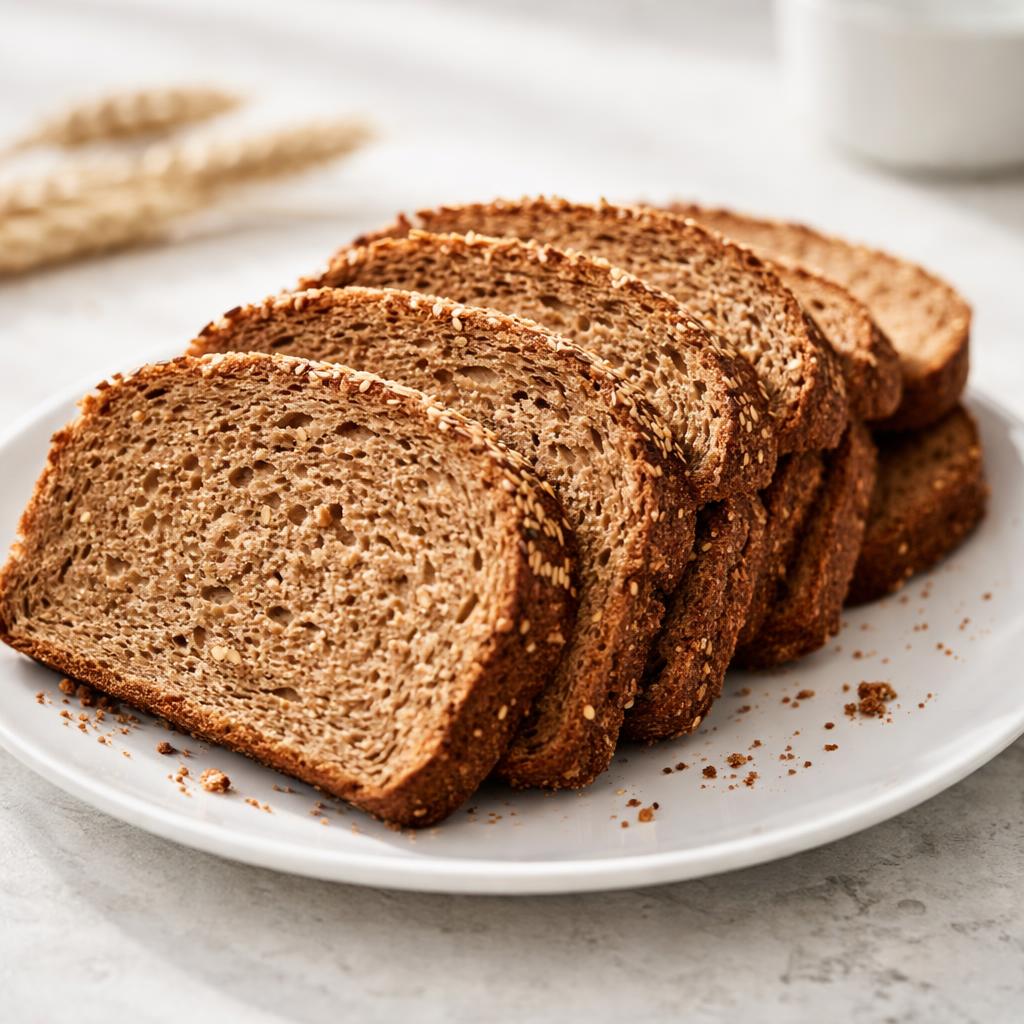
Brown Bread
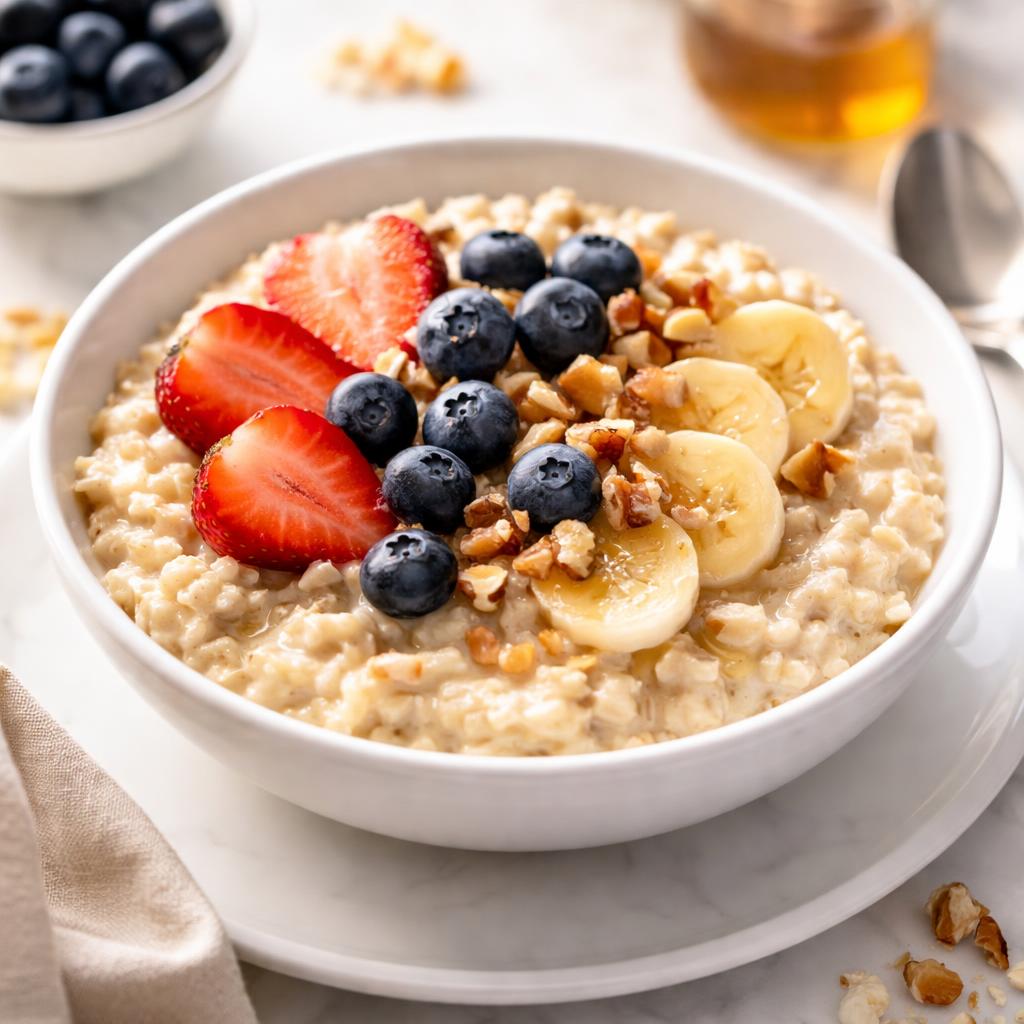
Quaker Oats
🎯 Quick Verdict
Quaker oats outshine brown bread in protein and fiber content, making them ideal for those seeking muscle maintenance and improved digestion. Brown bread, however, has fewer calories per serving, making it a suitable choice for calorie-conscious diets. The use of each food depends on dietary goals—oats for nutrient density, and bread for quick energy with a lower calorie count.

Smart Nutrition Tracking with SnapCalorie

📊 Nutritional Comparison
Macronutrients
| Nutrient | Food 1 | Food 2 | Winner |
|---|---|---|---|
| Calories | 80 | 150 | ✓ |
| Protein | 3g | 5g | ✓ |
| Carbs | 15g | 27g | ✓ |
| Fat | 0.8g | 2.5g | ✓ |
| Fiber | 2g | 4g | ✓ |
Vitamins & Minerals
| Nutrient | Food 1 | Food 2 | Winner |
|---|---|---|---|
| Vitamin D | 0mcg | 0mcg | − |
| Calcium | 50mg | 20mg | ✓ |
| Iron | 0.9mg | 1.8mg | ✓ |
| Magnesium | 25mg | 60mg | ✓ |
🏆 Category Winners
Protein
Quaker oats contain over 65% more protein per serving.
Fiber
Oats provide twice as much fiber as brown bread.
Calories
Brown bread has 47% fewer calories per serving.
Vitamins
Quaker oats are richer in iron and magnesium, essential for energy and bone health.
🥗 Diet Compatibility
Keto
Food 1: Not Compatible
Food 2: Not Compatible
Both are high-carb foods unsuitable for keto diets.
Vegan
Food 1: Compatible
Food 2: Compatible
Neither food contains animal-derived ingredients.
Gluten Free
Food 1: Not Compatible
Food 2: Can Be Compatible
Brown bread contains gluten; oats can be gluten-free if certified.
Paleo
Food 1: Not Compatible
Food 2: Not Compatible
Both foods are processed grains, not paleo-friendly.
Low-Carb
Food 1: Not Compatible
Food 2: Not Compatible
Both foods are too high in carbohydrates for low-carb diets.
💪 Health Benefits Comparison
Food 1 Benefits
- Lower calorie count aids weight management
- Provides quick energy from carbohydrates
- Offers some calcium for bone health
Food 2 Benefits
- High fiber content supports digestion and gut health
- Rich in magnesium for improved muscle and nerve function
- Contains iron to help combat fatigue and improve energy levels
✅ The Bottom Line
Choose Quaker oats if you're looking for a higher-protein, high-fiber option with added mineral benefits, especially for a nutrient-dense breakfast. Brown bread works well for lighter meals or quick energy when managing calorie intake is a priority.
Choose Food 1 for: Calorie-conscious diets, quick energy, light meals
Choose Food 2 for: High-protein diets, improved digestion, nutrient-dense breakfast


