Broccoli VS Walnut
A detailed nutritional comparison
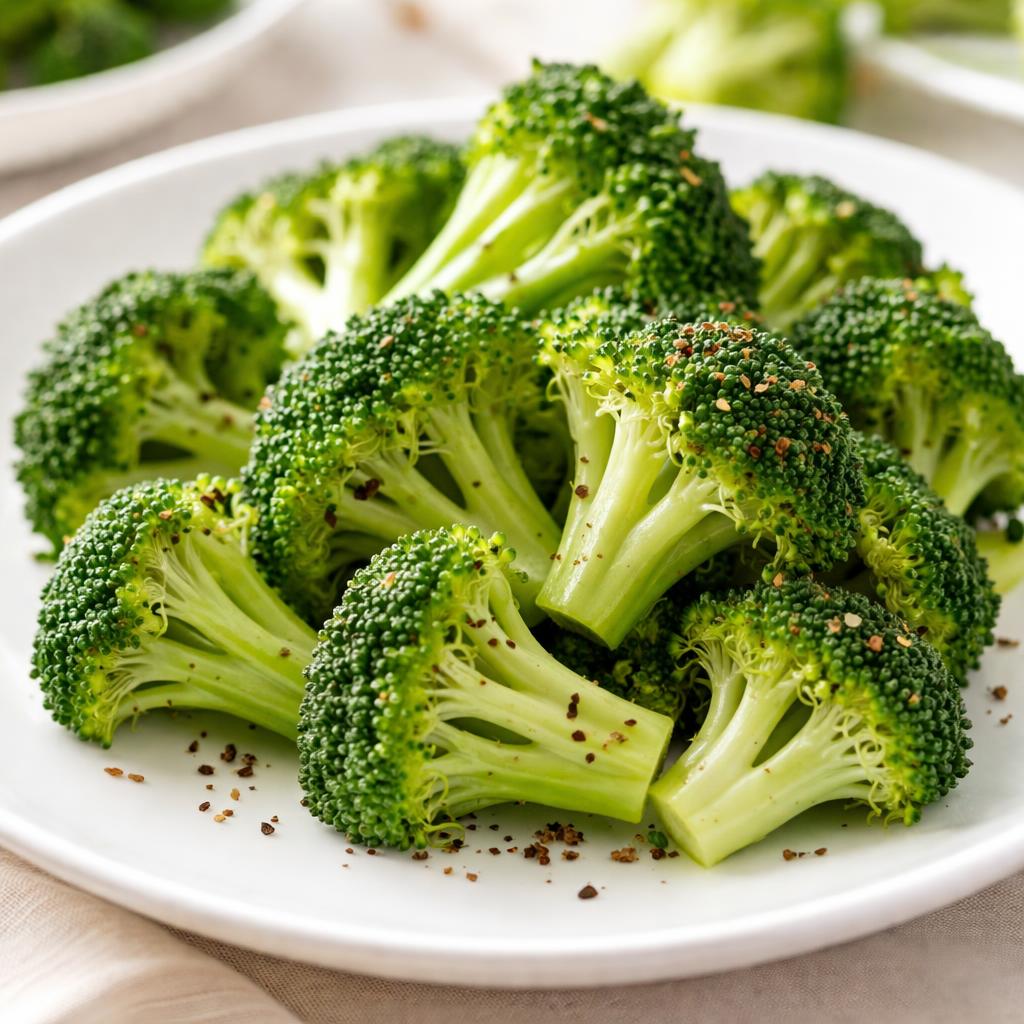
Broccoli
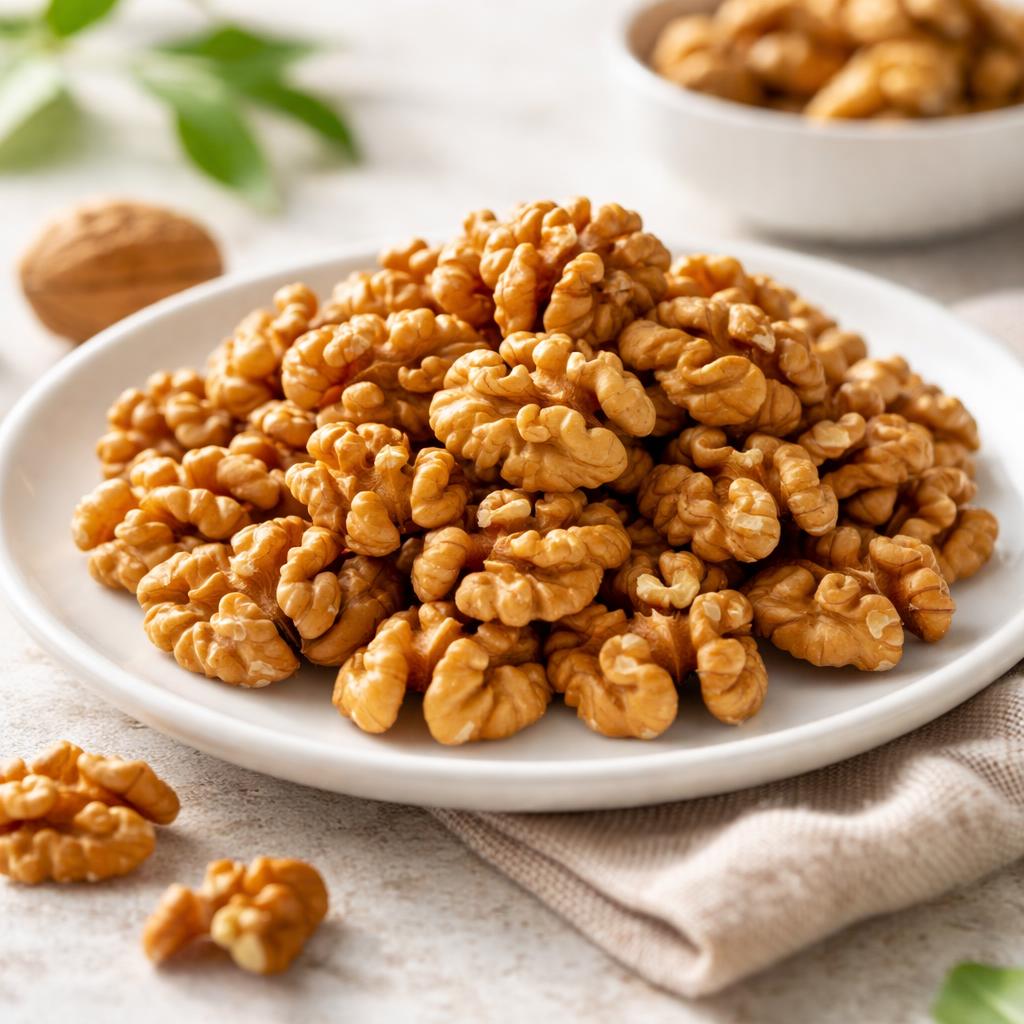
Walnut
🎯 Quick Verdict
Broccoli offers fewer calories, more protein, and higher fiber per serving, making it ideal for weight management and digestion support. Walnuts are calorie-dense but rich in healthy fats and essential nutrients, great for heart health and energy. Their uses complement each other depending on dietary priorities and goals.

Smart Nutrition Tracking with SnapCalorie

📊 Nutritional Comparison
Macronutrients
| Nutrient | Food 1 | Food 2 | Winner |
|---|---|---|---|
| Calories | 55 | 654 | ✓ |
| Protein | 4.3g | 15.2g | ✓ |
| Carbs | 11g | 13.7g | ✓ |
| Fat | 0.5g | 65.2g | ✓ |
| Fiber | 2.4g | 6.7g | ✓ |
Vitamins & Minerals
| Nutrient | Food 1 | Food 2 | Winner |
|---|---|---|---|
| Vitamin C | 89.2mg | 0.6mg | ✓ |
| Vitamin A | 623 IU | 20 IU | ✓ |
| Vitamin E | 0.8mg | 0.7mg | ✓ |
| Vitamin K | 101.6mcg | 2.7mcg | ✓ |
| Calcium | 47mg | 98mg | ✓ |
| Iron | 0.7mg | 2.6mg | ✓ |
🏆 Category Winners
Protein
Walnuts provide over 3 times more protein per serving compared to broccoli.
Fiber
Walnuts contain almost 3 times the fiber as broccoli.
Calories
Broccoli has significantly fewer calories, making it better for low-calorie diets.
Vitamins
Broccoli is far richer in vitamins like Vitamin C, A, and K compared to walnuts.
🥗 Diet Compatibility
Keto
Food 1: Compatible
Food 2: Compatible
Both are low-carb, but walnuts are more calorie-dense and fat-rich.
Vegan
Food 1: Compatible
Food 2: Compatible
Both are plant-based and vegan-friendly.
Gluten Free
Food 1: Compatible
Food 2: Compatible
Neither broccoli nor walnuts contain gluten.
Paleo
Food 1: Compatible
Food 2: Compatible
Both are naturally paleo-approved foods.
Low-Carb
Food 1: Compatible
Food 2: Compatible
Broccoli has fewer carbs, but walnuts also fit within low-carb diets.
💪 Health Benefits Comparison
Food 1 Benefits
- High in Vitamin C for immune support
- Rich in fiber to improve digestion
- Low in calories, ideal for weight loss
- Contains antioxidants that fight inflammation
Food 2 Benefits
- Excellent source of healthy fats for heart health
- Rich in omega-3 fatty acids, beneficial for brain function
- Provides significant energy due to high caloric density
- Contains important minerals like magnesium and potassium
✅ The Bottom Line
Broccoli is a nutrient-dense, low-calorie food that works well for weight management, boosting digestion, and providing vitamins. Walnuts are calorie-rich and loaded with healthy fats and omega-3s, making them ideal for heart health and energy. Choose broccoli for light meals and weight loss, or walnuts for snacks and energy boosts.
Choose Food 1 for: Weight loss, digestion, immunity, light meals
Choose Food 2 for: Brain and heart health, high-energy diets, snacking


