Broccoli VS Turkey Bacon
A detailed nutritional comparison
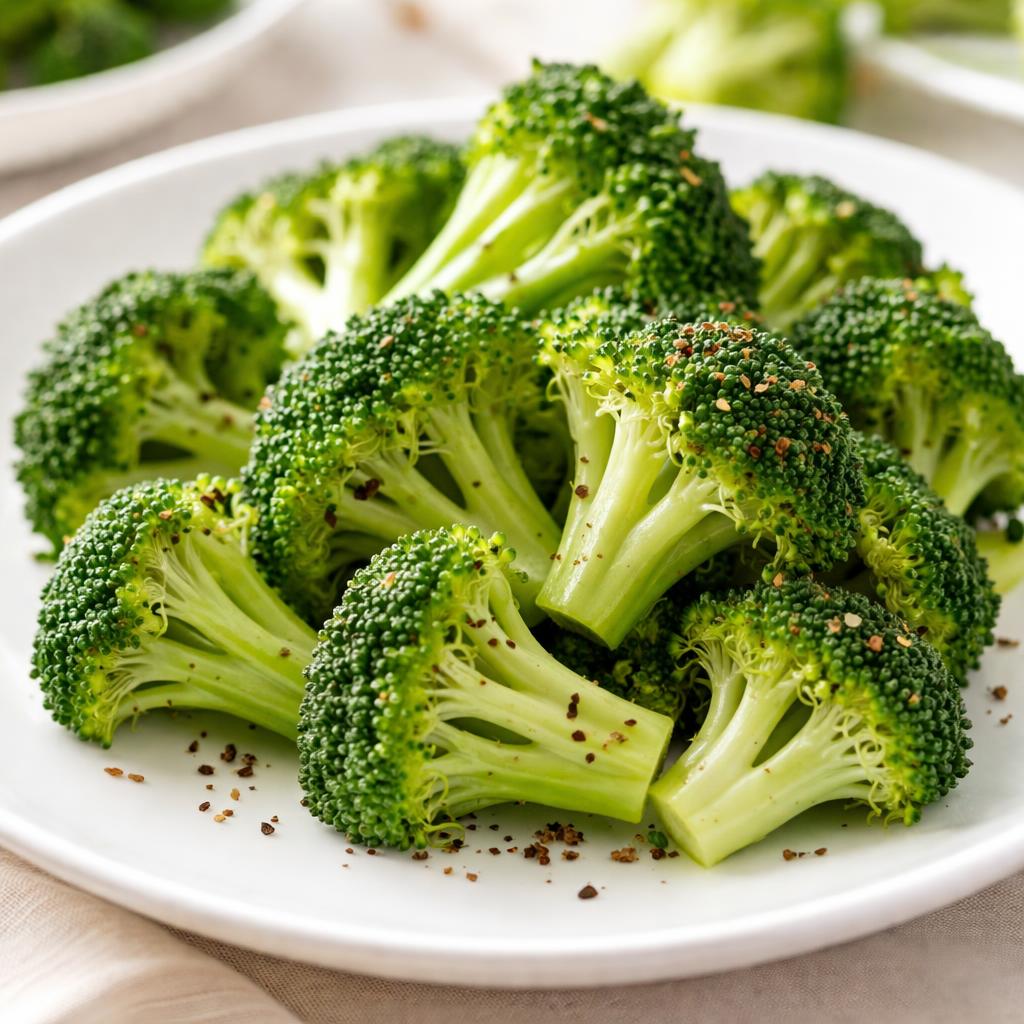
Broccoli
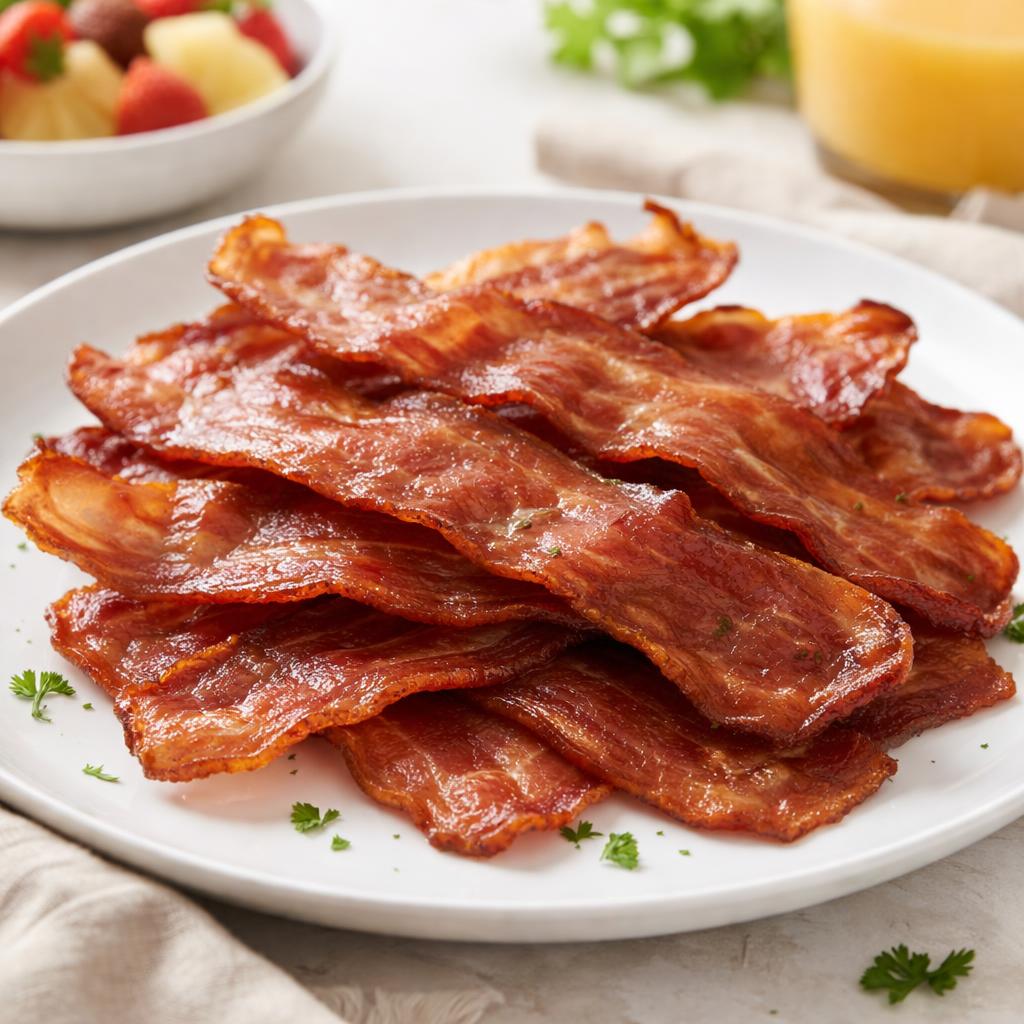
Turkey Bacon
🎯 Quick Verdict
Broccoli is a low-calorie, nutrient-dense vegetable packed with fiber and vitamins, while turkey bacon is a high-protein, low-carb option that appeals to those seeking a flavorful, meat-based addition to their diet. Broccoli is better for digestive health and weight management, while turkey bacon is ideal for protein-focused or ketogenic diets.

Smart Nutrition Tracking with SnapCalorie

📊 Nutritional Comparison
Macronutrients
| Nutrient | Food 1 | Food 2 | Winner |
|---|---|---|---|
| Calories | 55 (1 cup cooked) | 60 (1 slice) | ✓ |
| Protein | 4.7g | 4.8g | ✓ |
| Carbs | 11g | 0g | ✓ |
| Fat | 0.3g | 4g | ✓ |
| Fiber | 4.5g | 0g | ✓ |
Vitamins & Minerals
| Nutrient | Food 1 | Food 2 | Winner |
|---|---|---|---|
| Vitamin C | 81mg (90% DV) | 1mg (1% DV) | ✓ |
| Vitamin K | 92mcg (77% DV) | 0mcg | ✓ |
| Iron | 1mg (5% DV) | 0.3mg (2% DV) | ✓ |
🏆 Category Winners
Protein
Turkey bacon has slightly more protein per serving than broccoli.
Fiber
Broccoli contains significant dietary fiber, while turkey bacon has none.
Calories
Broccoli is slightly lower in calories per serving than turkey bacon.
🥗 Diet Compatibility
Keto
Food 1: Not Compatible
Food 2: Compatible
Turkey bacon is carb-free, whereas broccoli contains 11g of carbs per serving.
Vegan
Food 1: Compatible
Food 2: Not Compatible
Broccoli is plant-based; turkey bacon is animal-based.
Gluten Free
Food 1: Compatible
Food 2: Compatible
Neither food contains gluten.
Paleo
Food 1: Compatible
Food 2: Compatible
Both are naturally free of grains and processed sugars.
Low-Carb
Food 1: Not Ideal
Food 2: Compatible
Turkey bacon is carb-free, while broccoli has moderate carbs for its size.
💪 Health Benefits Comparison
Food 1 Benefits
- Rich in fiber for digestive health
- High in vitamin C for immune function
- Contains vitamin K for bone health
- Low in calories, making it great for weight loss
Food 2 Benefits
- Good source of protein for muscle maintenance
- Low-carb option suitable for ketogenic diets
- Provides energy from healthy fats
- Flavorful, satisfying addition to high-protein meals
✅ The Bottom Line
Choose broccoli for nutrient density, fiber, and digestion support, especially if you're aiming for weight loss or a vegan diet. Select turkey bacon for a protein-focused option on a keto or low-carb plan, or when seeking a savory, quick breakfast addition.
Choose Food 1 for: Weight management, digestive health, vegan diets
Choose Food 2 for: Keto diets, high-protein meals, quick savory options


