Broccoli VS Tomatoes
A detailed nutritional comparison
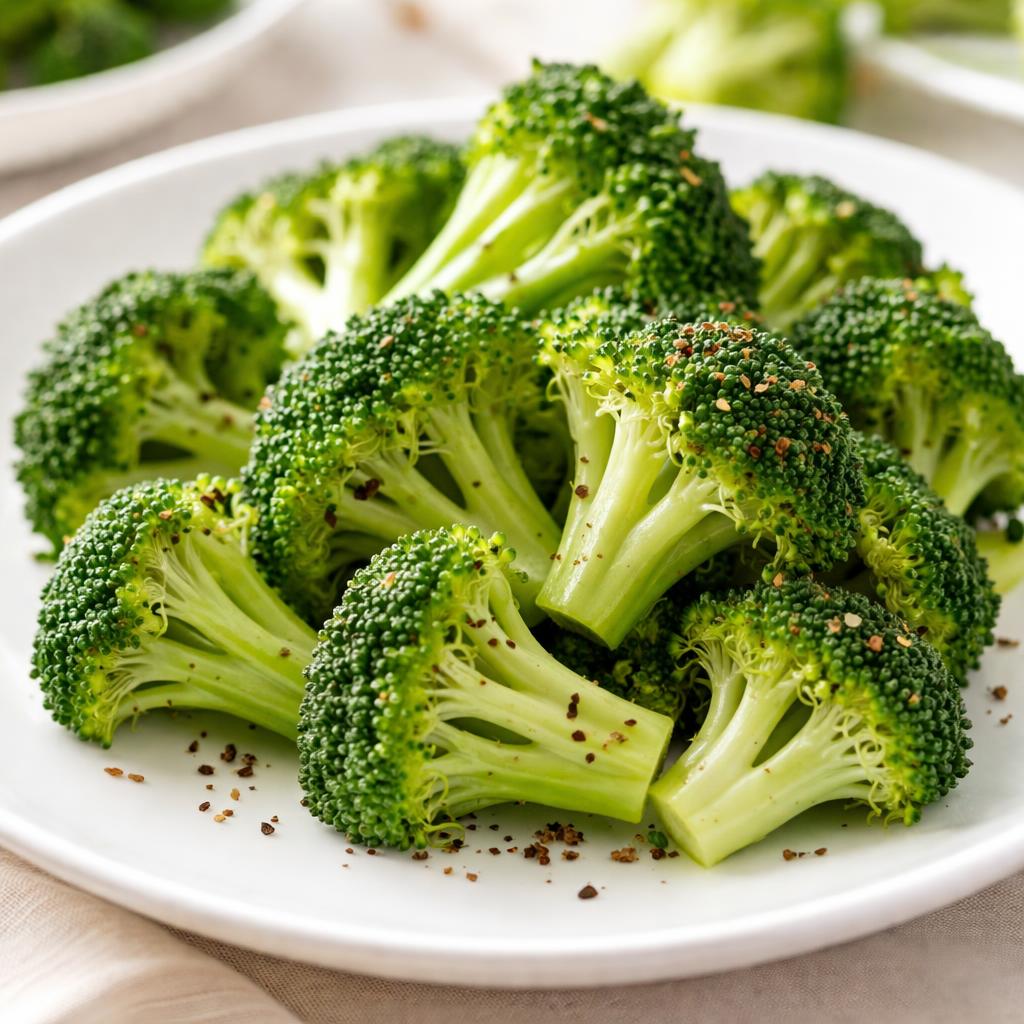
Broccoli
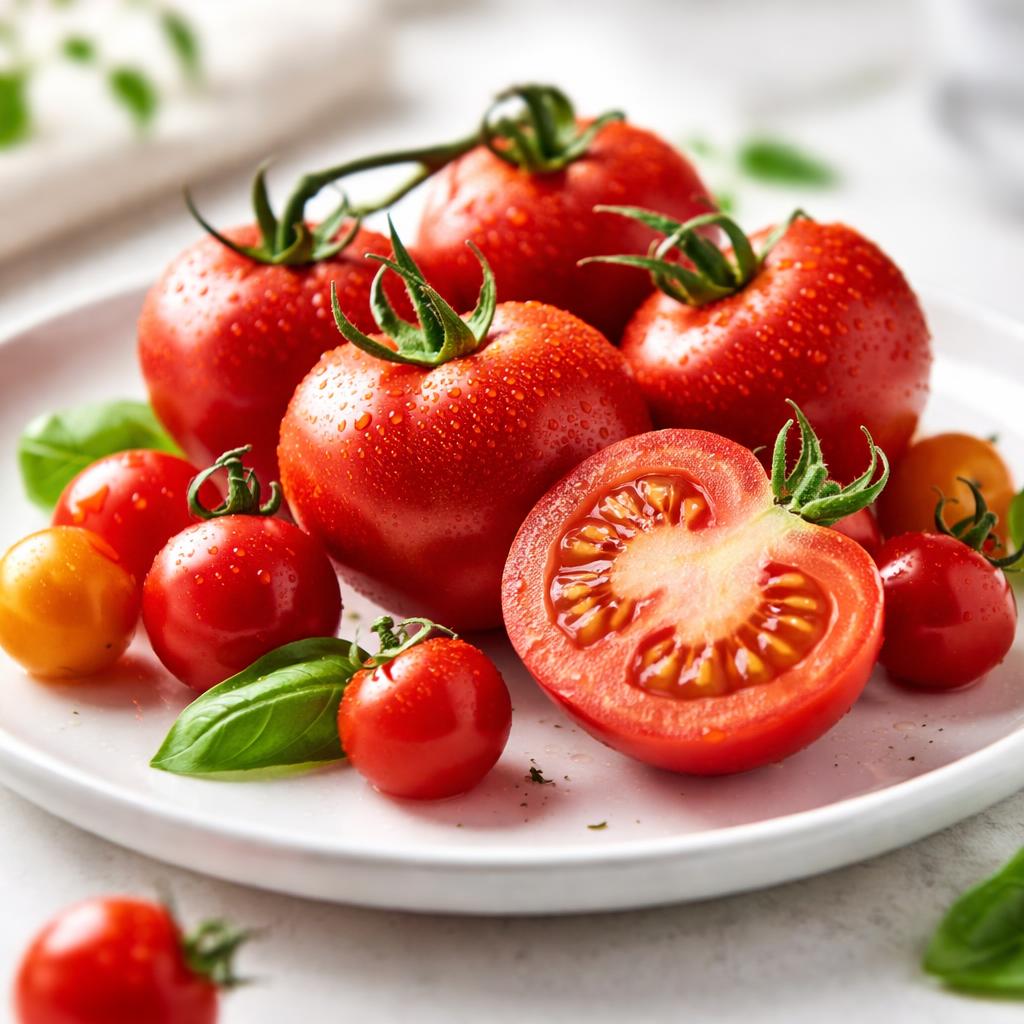
Tomatoes
🎯 Quick Verdict
Broccoli is the nutritional powerhouse in this comparison, offering more protein, fiber, and fewer calories, making it ideal for weight-conscious and high-protein diets. Tomatoes, while lower in fiber and protein, shine as a low-carb option rich in antioxidants and vitamin C—perfect for heart health and immune support.

Smart Nutrition Tracking with SnapCalorie

📊 Nutritional Comparison
Macronutrients
| Nutrient | Food 1 | Food 2 | Winner |
|---|---|---|---|
| Calories | 55 kcal per cup | 25 kcal per cup | ✓ |
| Protein | 4.3g per cup | 1g per cup | ✓ |
| Carbs | 11.2g per cup | 5.8g per cup | ✓ |
| Fat | 0.3g per cup | 0.25g per cup | − |
| Fiber | 2.4g per cup | 1.5g per cup | ✓ |
Vitamins & Minerals
| Nutrient | Food 1 | Food 2 | Winner |
|---|---|---|---|
| Vitamin C | 81mg per cup | 18mg per cup | ✓ |
| Vitamin K | 93mg per cup | 7mcg per cup | ✓ |
| Vitamin A | 567 IU per cup | 1025 IU per cup | ✓ |
🏆 Category Winners
Protein
Broccoli offers over 4x more protein than tomatoes per cup.
Fiber
Broccoli contains higher fiber content for digestive health.
Calories
Tomatoes have fewer calories per cup, making them lighter.
Vitamins
Broccoli is packed with vitamin K and C, while tomatoes excel in vitamin A.
🥗 Diet Compatibility
Keto
Food 1: Compatible
Food 2: Compatible
Both foods are low in carbs and suitable for keto diets.
Vegan
Food 1: Compatible
Food 2: Compatible
Both are plant-based options.
Gluten Free
Food 1: Compatible
Food 2: Compatible
Neither contains gluten.
Paleo
Food 1: Compatible
Food 2: Compatible
Both are naturally paleo-friendly.
Low Carb
Food 1: Compatible
Food 2: Compatible
Both are relatively low in carbohydrates, suitable for low-carb diets.
💪 Health Benefits Comparison
Food 1 Benefits
- Rich in vitamin C for immune health
- Packed with vitamin K for bone health
- Contains fiber for improved digestion
- Low in calories and high in protein for weight management
Food 2 Benefits
- High in vitamin A for eye health
- Rich in antioxidants like lycopene for heart health
- Provides potassium for muscle and nerve function
- Low-calorie and hydrating, great for hydration needs
✅ The Bottom Line
Broccoli is a better choice when focusing on protein, fiber, and overall nutrient density for weight loss and muscle building. Tomatoes are ideal if looking for a light, hydrating food packed with antioxidants and potassium, great for heart health and skin care.
Choose Food 1 for: Weight management, high-protein recipes, digestion support
Choose Food 2 for: Heart health, skin care, light and hydrating meals


