Broccoli VS Tomato Salad
A detailed nutritional comparison
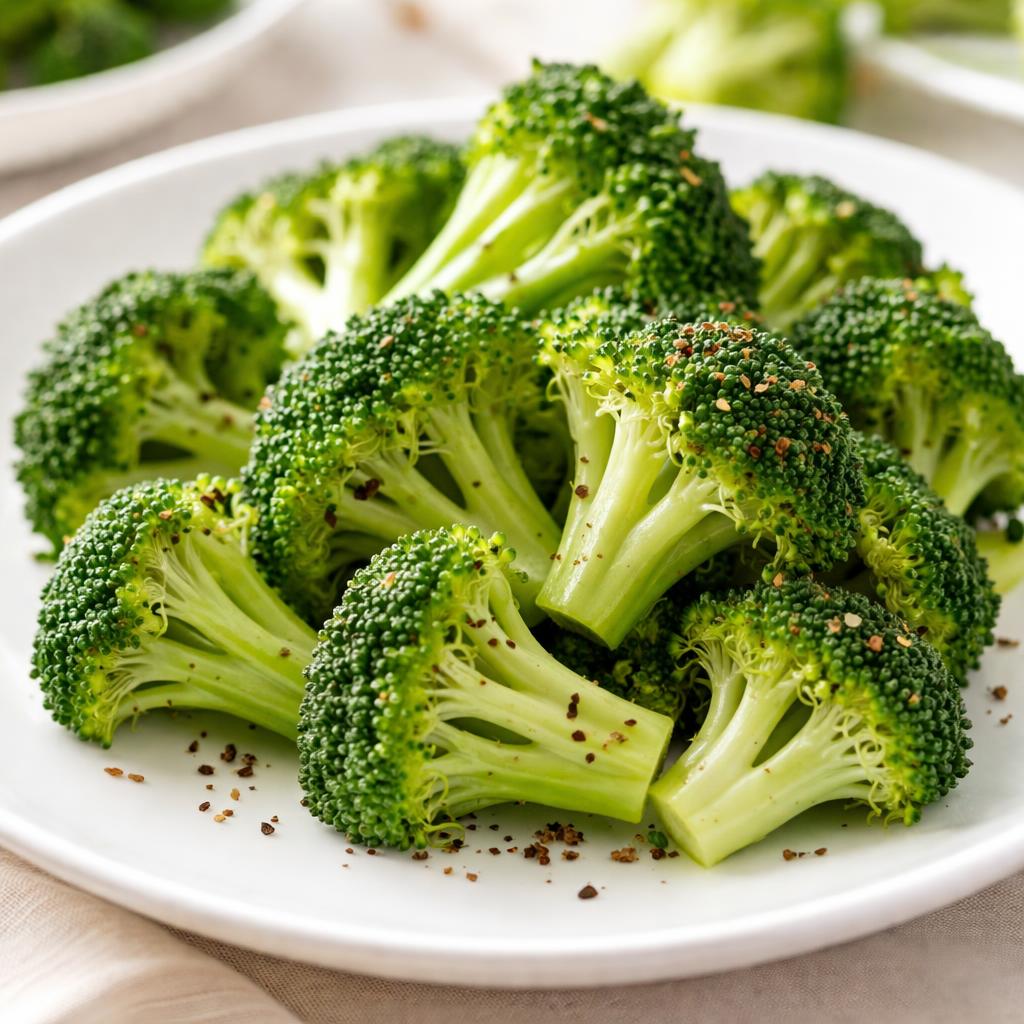
Broccoli
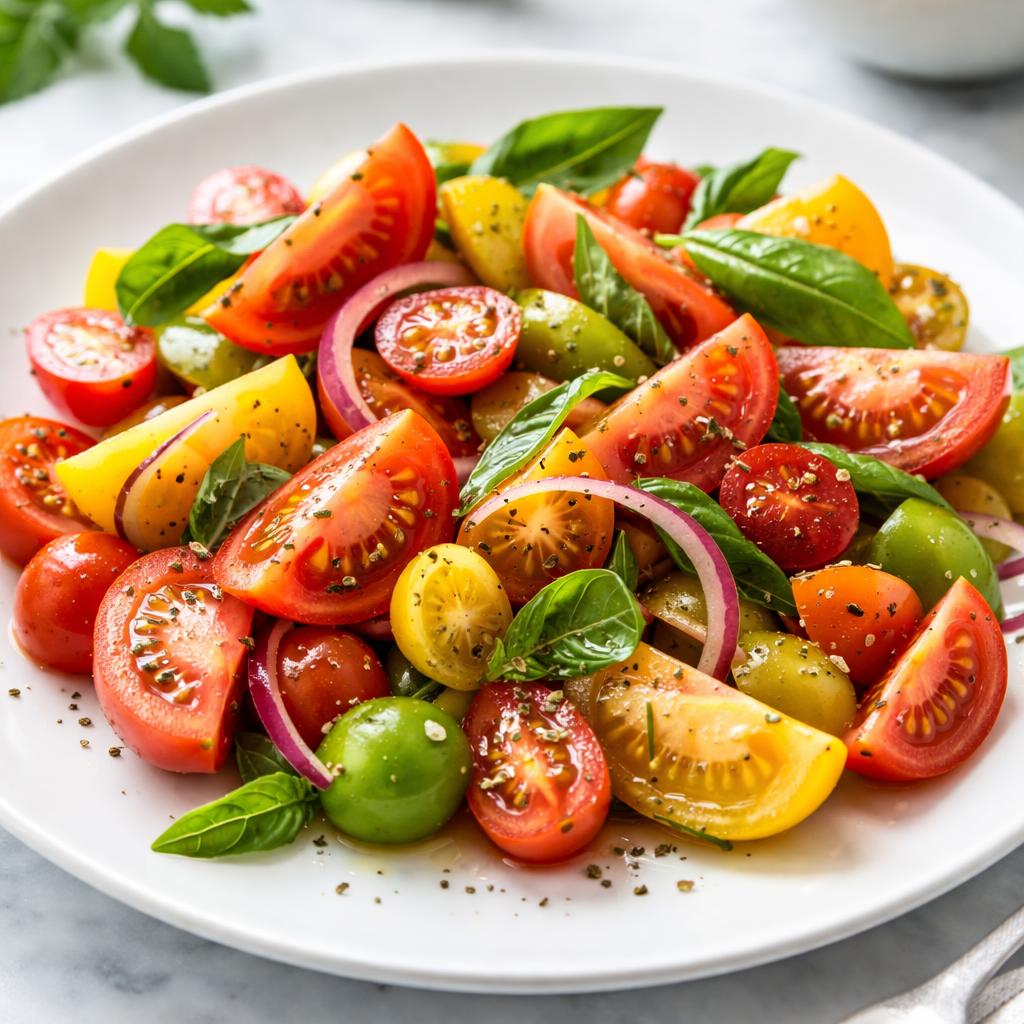
Tomato Salad
🎯 Quick Verdict
Broccoli and tomato salad are excellent nutrient-rich options, but broccoli stands out for its higher protein (2.8g vs. 0.9g per 100g), fiber (2.6g vs. 1.2g per 100g), and lower calorie content (34 vs. 50 per 100g). Tomato salad, however, offers vitamin C and antioxidants, making it better suited for refreshing salads and hydration support.

Smart Nutrition Tracking with SnapCalorie

📊 Nutritional Comparison
Macronutrients
| Nutrient | Food 1 | Food 2 | Winner |
|---|---|---|---|
| Calories | 34 | 50 | ✓ |
| Protein | 2.8g | 0.9g | ✓ |
| Carbs | 6.6g | 10g | ✓ |
| Fat | 0.3g | 2g | ✓ |
| Fiber | 2.6g | 1.2g | ✓ |
Vitamins & Minerals
| Nutrient | Food 1 | Food 2 | Winner |
|---|---|---|---|
| Vitamin C | 89.2mg | 18mg | ✓ |
| Vitamin A | 623 IU | 1025 IU | ✓ |
| Calcium | 47mg | 10mg | ✓ |
| Iron | 0.73mg | 0.27mg | ✓ |
🏆 Category Winners
Protein
Broccoli contains over 3x more protein compared to tomato salad.
Fiber
Broccoli has more than twice the fiber per 100g.
Calories
Broccoli is lower in calories, with 32% fewer calories compared to tomato salad.
Vitamins
Broccoli excels in vitamin C and calcium, while tomato salad provides more vitamin A.
🥗 Diet Compatibility
Keto
Food 1: Compatible
Food 2: Compatible
Both are low-carb and fit the keto diet.
Vegan
Food 1: Compatible
Food 2: Compatible
Both are plant-based and vegan-friendly.
Gluten Free
Food 1: Compatible
Food 2: Compatible
Neither contains gluten.
Paleo
Food 1: Compatible
Food 2: Compatible
Both are unprocessed and suitable for Paleo diets.
Low-Carb
Food 1: Compatible
Food 2: Partially Compatible
Food1 is lower in carbohydrates (6.6g vs. 10g).
💪 Health Benefits Comparison
Food 1 Benefits
- Rich in vitamin C to boost immune health.
- Contains sulforaphane, a compound known for its anticancer properties.
- High fiber for improved digestion and gut health.
- Low calorie density for weight management.
Food 2 Benefits
- Excellent source of vitamin A for eye health.
- Rich in antioxidants like lycopene, which may support heart health.
- Hydrating due to its high water content.
- Contains healthy fats (from added olive oil in salad preparation) for heart health and satiety.
✅ The Bottom Line
Broccoli is the winner if you're seeking a low-calorie, high-fiber, protein-rich option loaded with vitamin C. It's perfect for weight loss, adding to stir-fries, or as a nutrient-rich snack. Tomato salad is better for hydration, heart health, and as a refreshing side, especially when paired with olive oil for healthy fats.
Choose Food 1 for: Weight management, immune support, digestion, post-workout meals.
Choose Food 2 for: Refreshing salads, hydration, eye health, heart-supportive diets.


